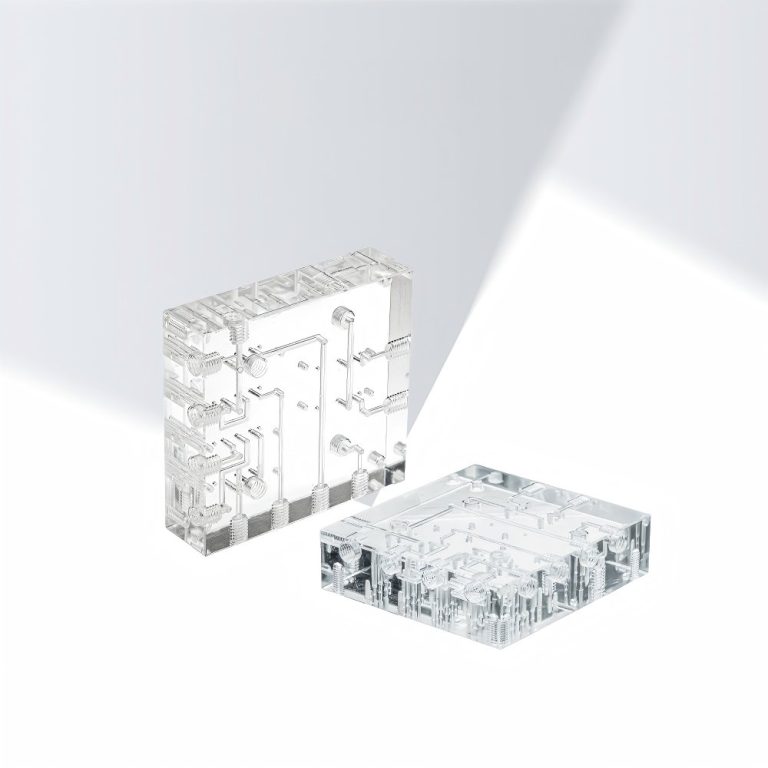
Acrylic Machining Defects: A Diagnostic Guide
Treat a machining defect as evidence, not as a reason to change every setting. Melted smear points toward heat generation or poor chip evacuation;…
Read article
Technical Blog
Practical guides on materials, tolerances, guarding and design — written by the engineers who quote and machine the parts.
Treat a machining defect as evidence, not as a reason to change every setting. Melted smear points toward heat generation or poor chip evacuation;…
Read article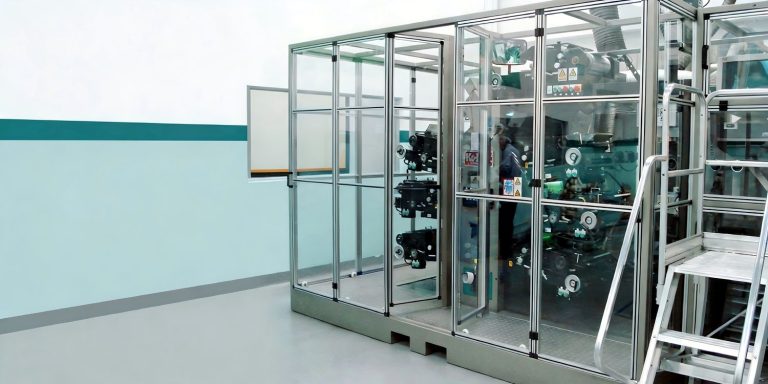
OSHA regulations, ISO standards and ANSI standards do not play identical roles. In the United States, OSHA rules are enforceable requirements;…
Read article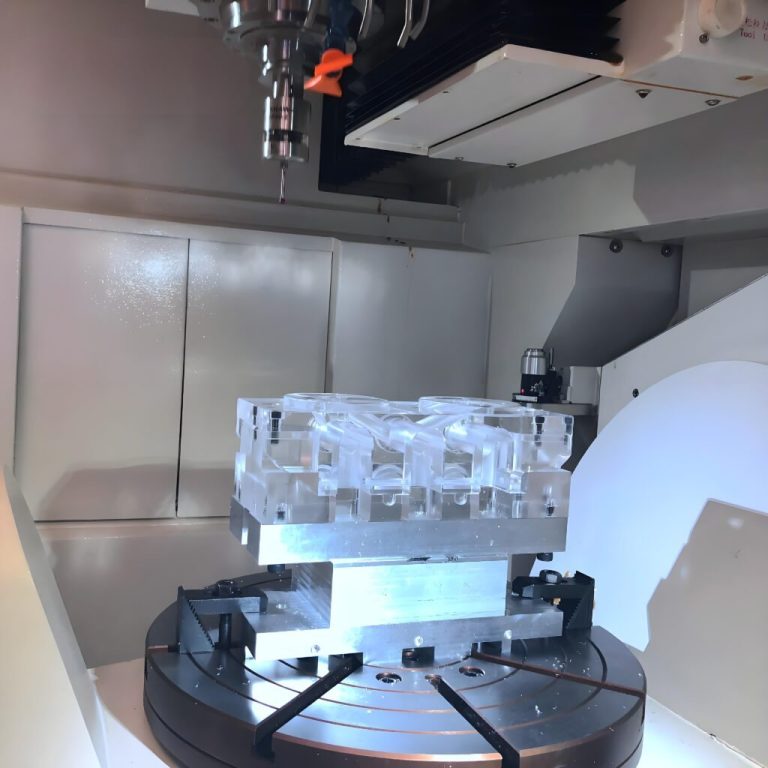
There is no safe universal feed-and-speed table for acrylic. Start from cutter diameter, flute geometry, tool manufacturer data, spindle limits,…
Read article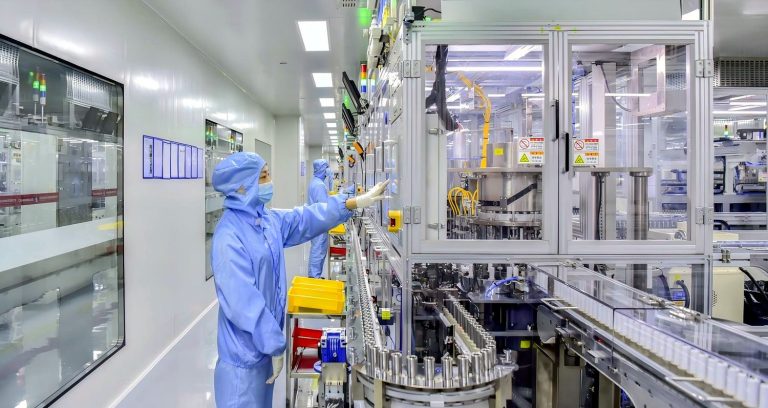
Visibility is a system property. Material clarity matters, but glare, surface scratches, panel angle, lighting, frame placement and viewing distance…
Read article
A good acrylic fixture spreads load, supports thin areas and exposes the required tool path without forcing the part flat. Vacuum works well for…
Read article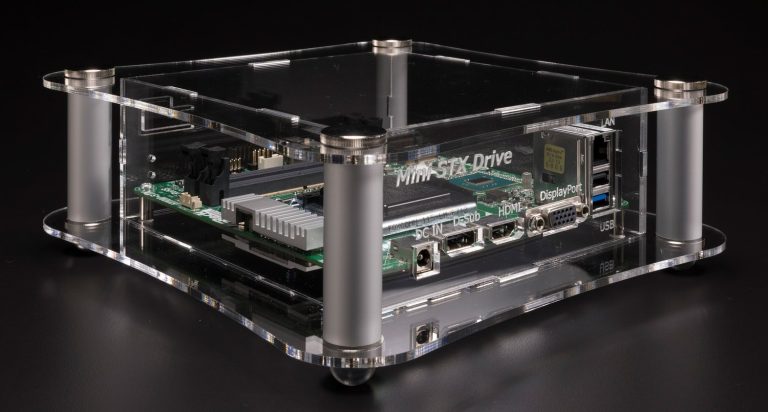
Specify ESD acrylic only when the product, process or facility risk assessment defines an electrical-performance need. 'Antistatic' is not a complete…
Read article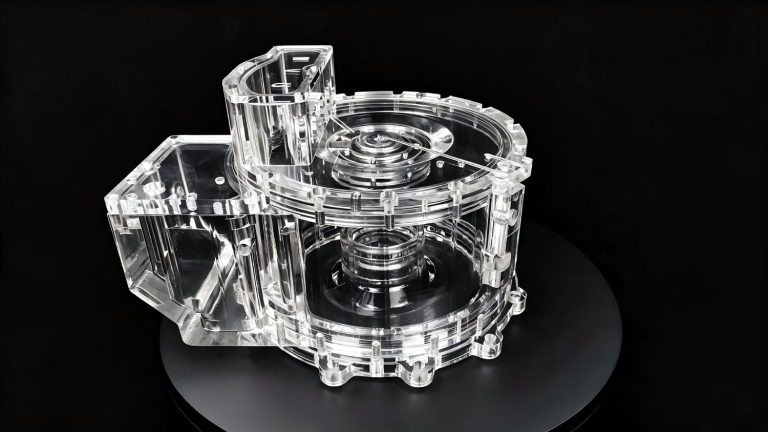
Annealing is a risk-control step, not an automatic cure for poor machining. It is most relevant when a machined part carries residual stress and…
Read article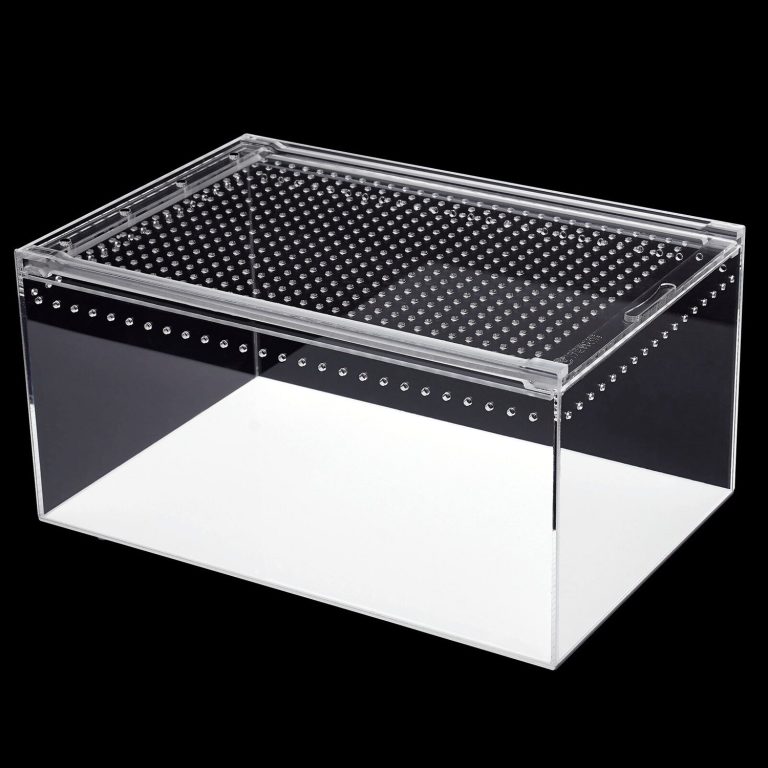
Place enclosure vents only after identifying heat sources, air path, dust or splash direction and service access. Cable entries need both edge…
Read article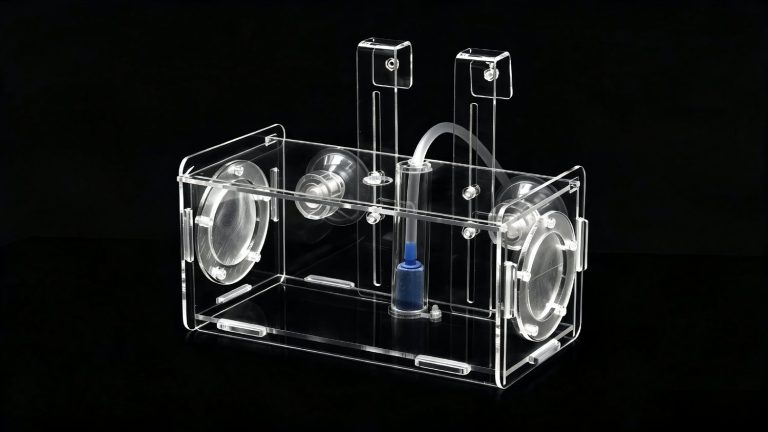
Solvent bonding works best when accurately fitted acrylic surfaces allow controlled wetting and the joint can be fixtured without movement. UV-curing…
Read article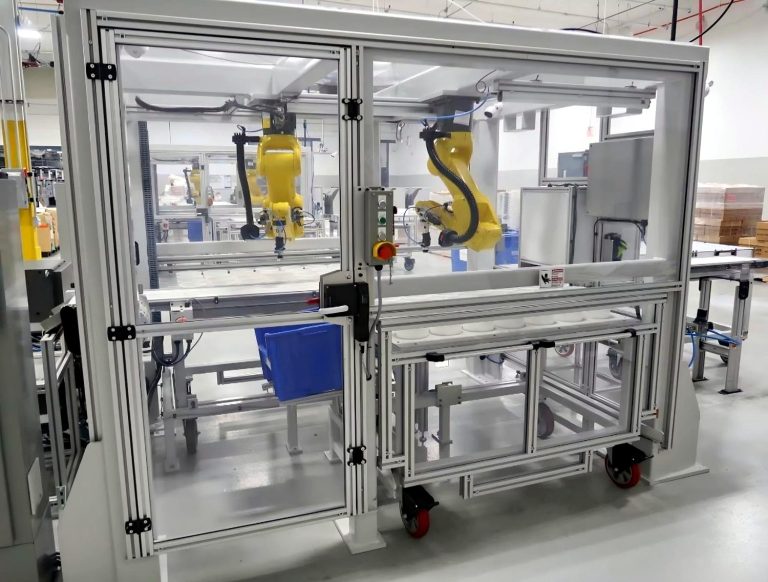
A guarding project should begin with hazardous motion, ejected material, heat, stored energy and expected human access—not with panel dimensions. The…
Read articleSend a drawing, STEP file or sketch and get a quote or DFM feedback within 12 hours.