
Diamond-polished feature
Optical clarity

Restoring machined and cut edges to full transparency — diamond for optical flatness, flame for economical gloss, buffing for contours.
Reply within 12 hours · free DFM feedback
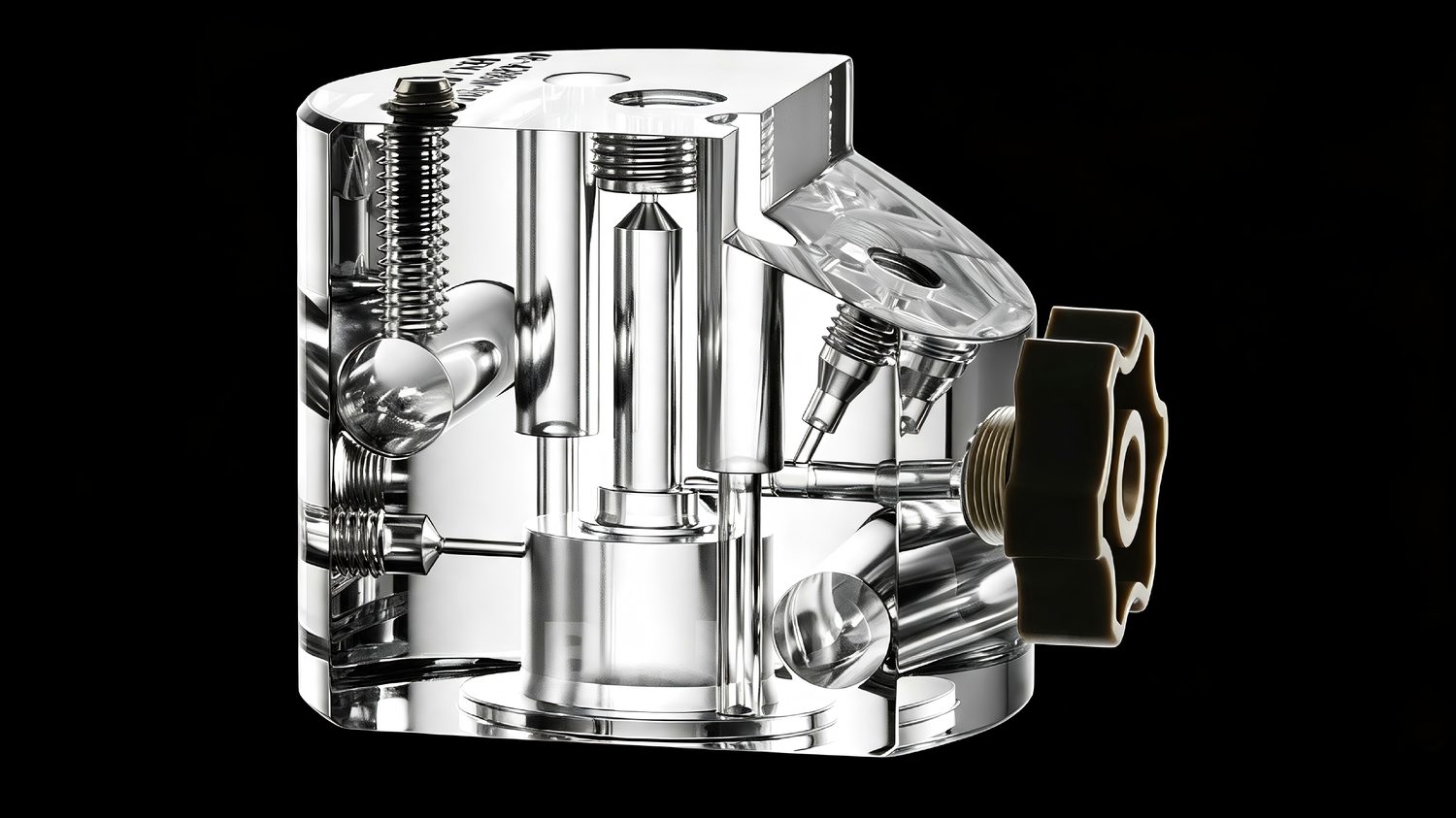
Acrylic polishing restores machined or cut PMMA edges to transparency. Diamond polishing shaves the edge with a diamond tool for optically flat, crystal-clear results; flame polishing melts the surface glossy in seconds at lower cost; buffing wheels handle contoured edges and surface scratch removal. The right method depends on edge geometry and how the part will be bonded or displayed.
| Method | Result | Flatness | Bond-ready? | Cost |
|---|---|---|---|---|
| Diamond polishing | Optical, mirror-flat | Excellent | Yes — best for welding | $$ |
| Flame polishing | High gloss | Slight rounding | No — anneal first | $ |
| Buffing | Gloss on contours | Follows shape | Case-by-case | $$ |
| Sanding sequence | Satin / frosted edge | Good | Yes | $ |
Spec tip for buyers: edges that will be solvent-bonded should be diamond-polished or left machined — flame polishing before bonding invites crazing at the joint. This detail separates acrylic specialists from general shops; it’s built into our routing automatically.
Optical clarity
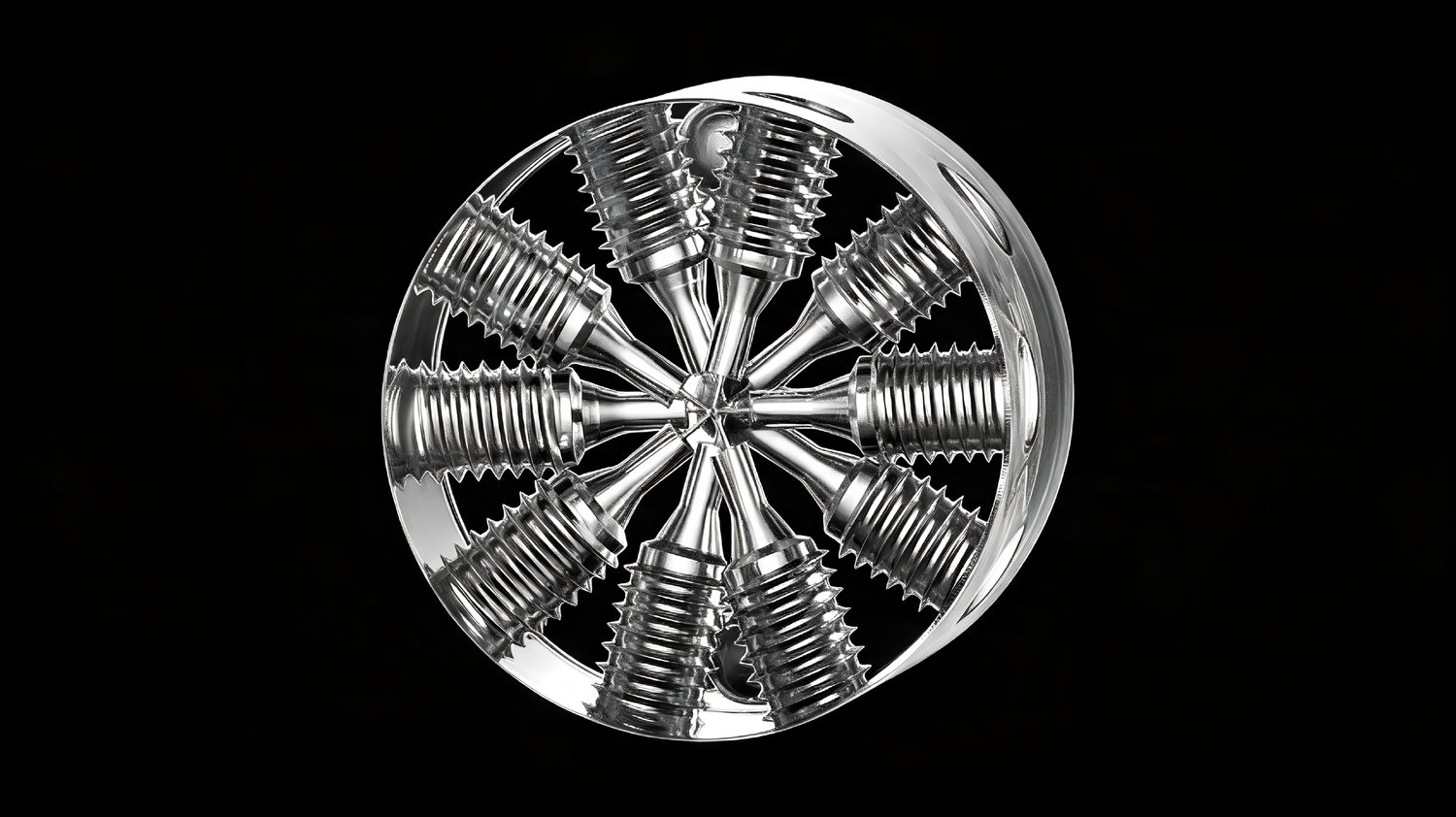
High gloss in seconds
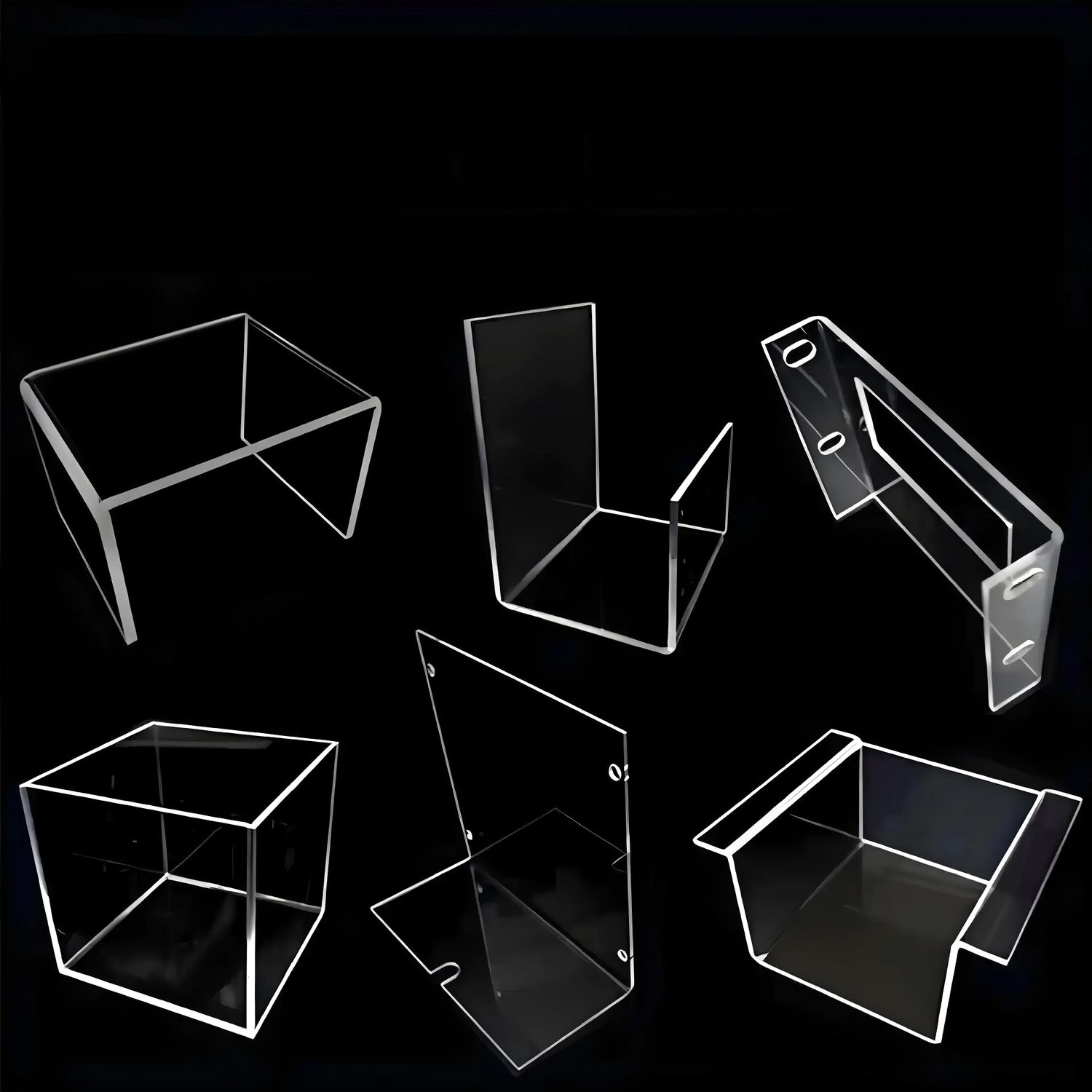
Sanded finish
2 dedicated polishing machines plus flame and buffing stations. Max diamond-polished edge length 3000 mm. What gets polished: display and furniture edges, balustrade panel edges, sight-glass faces, and every visible edge on enclosures per drawing spec.
Use three levels: “machined” (functional, hidden edges), “polished” (visible edges — we choose diamond or flame per geometry), “optical” (diamond, for sight glasses and display faces). If unspecified, we polish visible edges and machine hidden ones, noted on the quote.
Light scratches, yes — progressive sanding and buffing restores full clarity on faces. Deep gouges beyond ~0.5 mm need machining first. This is also field-serviceable on installed panels.
Flame polishing leaves surface stress; contact with solvents or cleaners then causes crazing. Parts we flame-polish are annealed when they’ll see chemicals or bonding — tell us the application and we route it correctly.
Not as fixed figures yet. Transmission and haze targets are agreed per order and validated on an approved sample before production, so the acceptance basis matches your part rather than a generic claim.
As a framework: A faces are the visible, inspected surfaces, B faces are visible with lower inspection, and hidden faces are machined-only; the actual limits are set per face class and agreed on a sample.
Diamond polishing machines the edge for optically flat, crystal-clear results, flame polishing melts the surface to a gloss quickly, and buffing follows contoured edges. The right method depends on edge geometry and whether the part will be bonded or displayed; we choose the method per drawing and state it in the quote.
Light surface haze from machining or buffing can often be restored by progressive polishing, but haze that comes from the sheet grade itself cannot be polished away. Haze and transmission targets are agreed per order and validated on an approved sample before production, so the acceptance basis matches your part rather than a generic value.
A faces are the visible, inspected surfaces, B faces are visible with lower inspection, and hidden faces are machined-only. Scratch, pit and haze limits are set per face class and agreed on a master sample per order, since a published appearance acceptance standard is not yet in place.
Tell us the application and we spec the right finish.
Technical details
Diamond-polished clear acrylic part with optical clarity
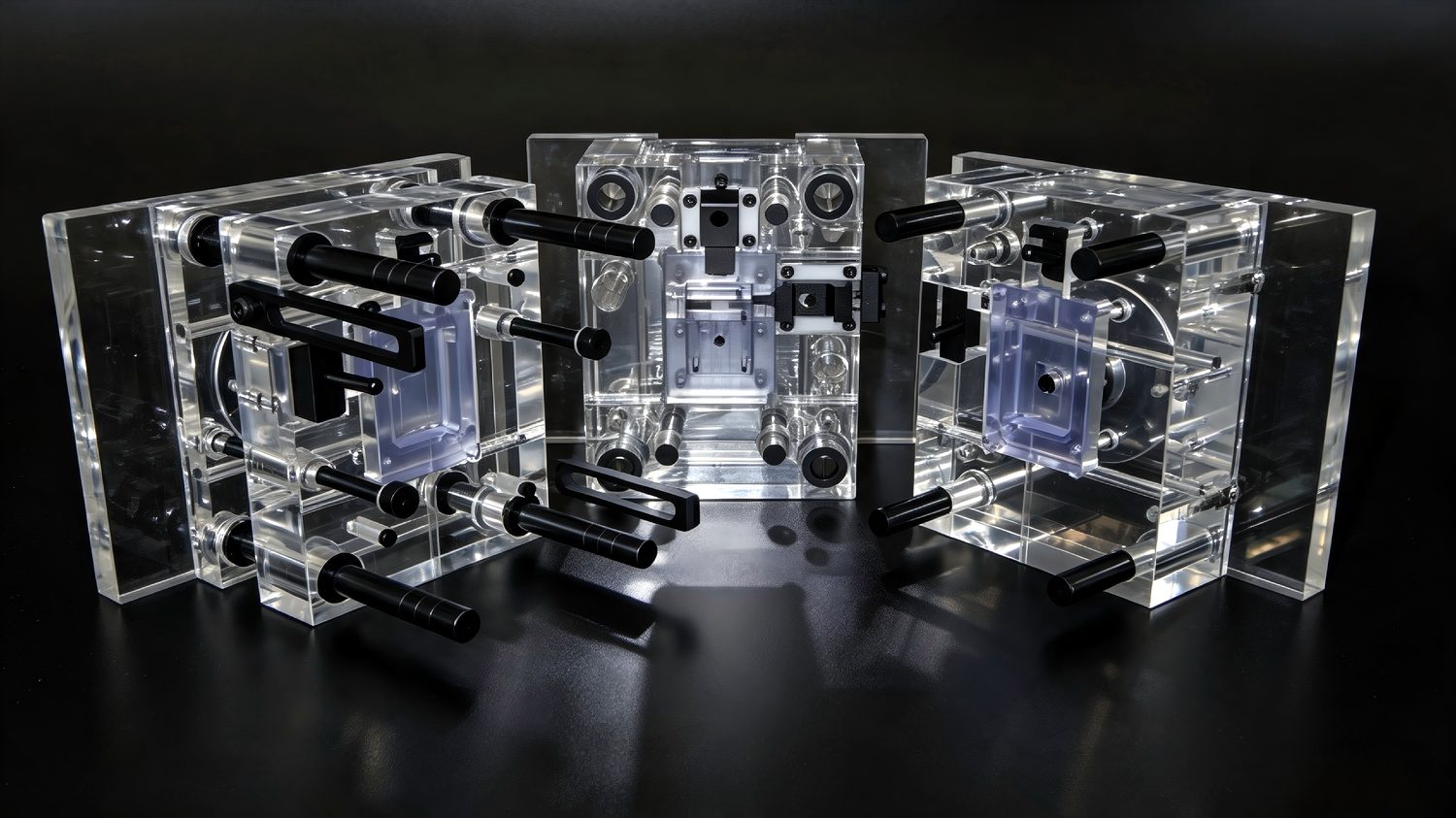
Diamond-polished clear acrylic assemblies
Technical details
Transmission and haze targets for optical parts are agreed per order with the buyer and validated on an approved sample before production; no fixed transmission or haze value is claimed here.
Technical details
Selection guidance
Appearance is described as clear, glass-clear or optically clear; a published acceptance standard covering A/B faces, scratches, inclusions, haze, transmission and seam visibility is not yet in place, so the acceptance basis is agreed per order.
A practical A/B face framework applies: A faces are the visible, inspected surfaces; B faces are visible but lower-inspection surfaces; hidden faces are machined-only. Scratch, pit and haze limits are then set per face class and agreed on a sample.
Edges that will be solvent-bonded should be diamond-polished or left machined; flame-polished edges are annealed before bonding because flame polishing before bonding invites crazing at the joint.
Two dedicated polishing machines plus flame and buffing stations handle visible edges on enclosures, display and furniture edges, balustrade panel edges and sight-glass faces per drawing specification.
| Choose this when | Do not choose this when | Finish |
|---|---|---|
| The edge will be visible and should be transparent | The edge is hidden and a machined finish is fine | Polished edge (diamond or flame per geometry) |
| The face is a sight glass, display or light-guiding surface | The surface is functional with no optical requirement | Optical finish with agreed transmission and haze targets |
| The edge will be solvent-bonded | The edge is a free, non-bonded edge | Diamond-polished or machined, annealed before bonding |
| Contoured or sculpted edges need gloss | The edge is straight and can be machine-polished | Buffing |
| Property | Value | Unit | Product grade | Thickness specimen | Test method / standard | Evidence status | Qualification | Claim IDs |
|---|---|---|---|---|---|---|---|---|
| Appearance description | Clear, glass-clear or optically clear | n/a | Cast and extruded acrylic | Order-specified | Visual inspection under defined lighting | company-declared | No acceptance standard published yet | AF-C16 |
| Face classification | A faces (visible, inspected), B faces (visible, lower inspection), hidden faces (machined-only) | n/a | Fabricated acrylic parts | Order-specified | Agreed per order | selection guidance | Limits set per face class on an approved sample | |
| Scratch and pit limits | Set per face class and agreed on a sample | n/a | Fabricated acrylic parts | Order-specified | Visual inspection under defined lighting | selection guidance | Order-specific; no published limit values | |
| Haze and transmission targets | Agreed per order and validated on an approved sample | n/a | Optical acrylic parts | Order-specified | Per agreed measurement method | selection guidance | No fixed value claimed without evidence | |
| Polishing methods | Diamond polishing, flame polishing, buffing | n/a | Acrylic (PMMA) | Order-specified | Company process statement | company-declared | Method selected per edge geometry and bonding | AF-C16 |
| Bonded seam visibility | Solvent and cement bonded seams described as near-invisible | n/a | Bonded acrylic assemblies | Order-specified | Company data | company-declared | Appearance grade agreed per order | AF-C17 |
| Polishing equipment | 2 dedicated polishing machines plus flame and buffing stations | machines | Acrylic (PMMA) | Order-specified | Company statement | company-declared | Edge-length and geometry limits confirmed per part | AF-C06 |
Q: What acrylic edge polishing methods do you offer? A: We offer diamond edge polishing for optically clear, glass-like edges and flame polishing for fast glossy finishes. Display and optical parts are diamond-polished; general fabrication parts are flame-polished.
Q: What is the difference between diamond and flame polished acrylic edges? A: Diamond polishing machines the edge to optical transparency with flat, crisp corners, ideal for display and light-guiding parts; flame polishing melts the surface to a gloss quickly and economically for general parts.
Q: Can you restore optical clarity on machined or sawn acrylic edges? A: Yes. Sawn or CNC-cut acrylic edges are matte; we polish them back to high optical clarity so bonded assemblies, viewing windows and display parts look finished.