
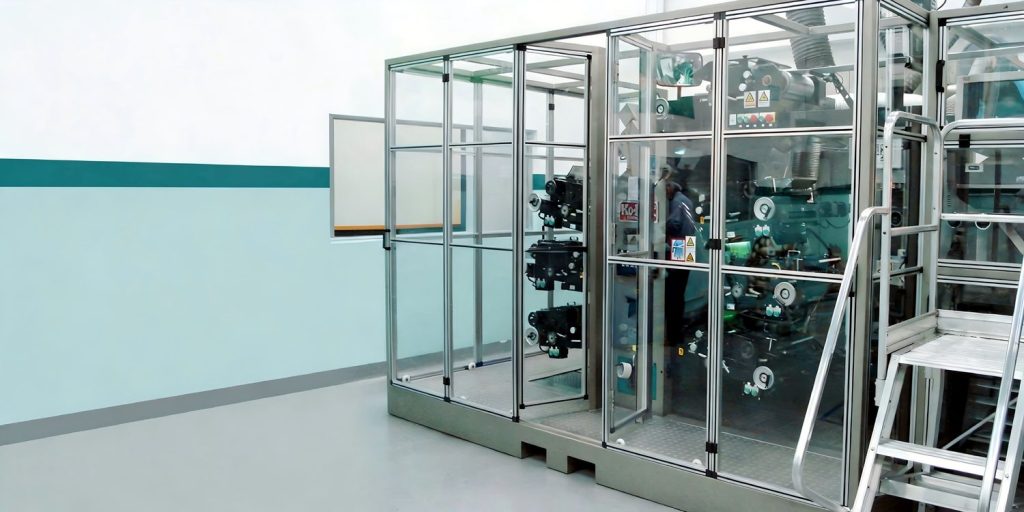
Short answer: OSHA regulations, ISO standards and ANSI standards do not play identical roles. In the United States, OSHA rules are enforceable requirements; consensus standards can provide technical methods and evidence of recognized practice. ISO 12100 addresses risk assessment, while ISO 14120 addresses guard design and construction. The applicable set depends on machine, market and contract.
Before specifying the manufacturing route for this part, confirm the load case, environment, access pattern and visual standard against the drawing. The notes below reflect AcrylicFabWorks’ ISO 9001 facility and documented equipment; quoted material grade, drawing revision and project test evidence remain controlling.
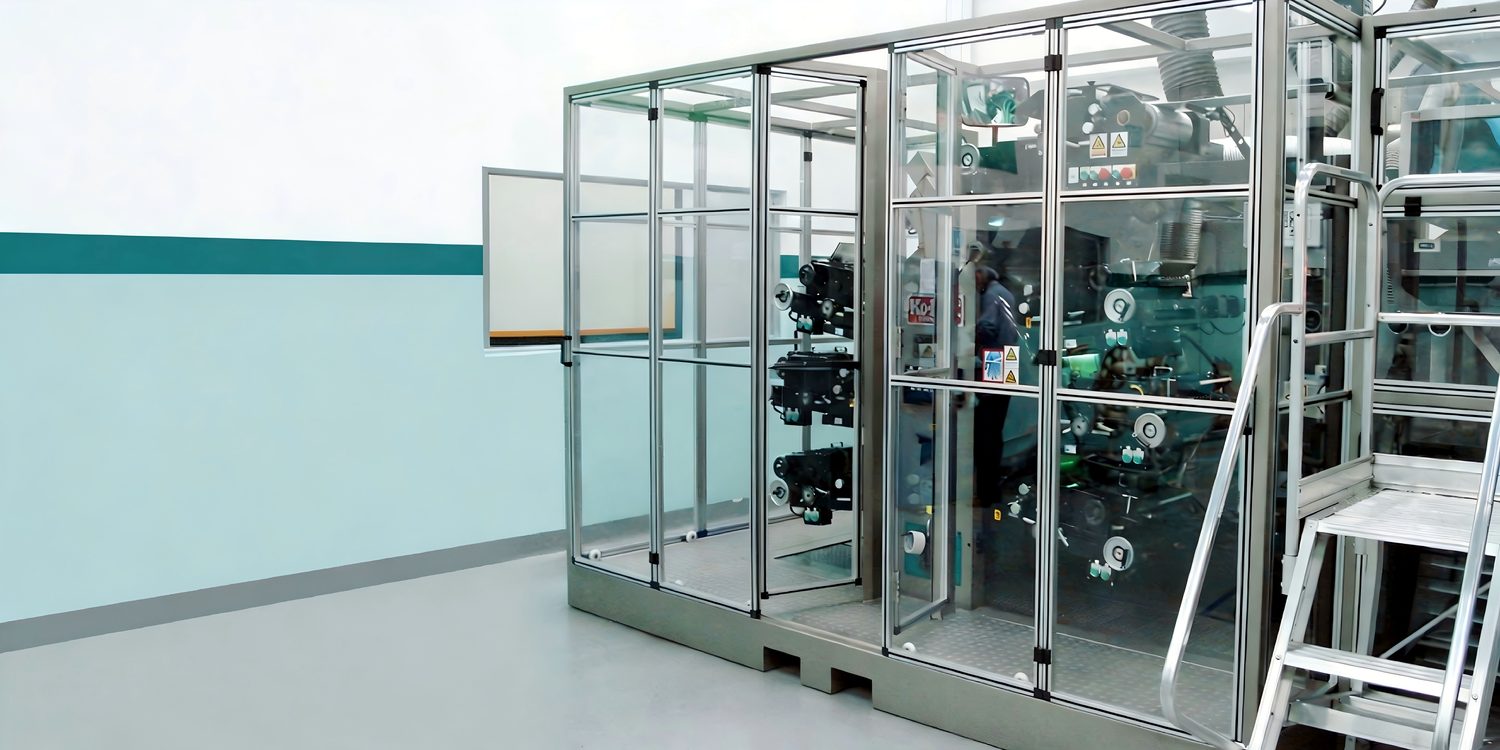
Machine guard standards: OSHA, ISO 14120, ANSI B11.19
A useful review of machine guard standards starts with the part’s function, material grade, thickness, dimensions, environment, load, expected access, cosmetic faces and inspection method. Where a safety function, chemical exposure or regulated installation is involved, assign an engineer or qualified compliance professional to approve the requirement.
This guide stays within one practical decision: relationship among OSHA, ISO and ANSI guarding documents. Manufacturing capacity, pricing and lead-time questions are covered on the linked capability or product page. Keeping the engineering question separate helps the reader reach a decision without mixing it with purchasing details.
| Situation | Best-fit use or concern | What to verify |
|---|---|---|
| OSHA 29 CFR 1910.212 | US workplace rule | General machine-guarding requirements |
| ISO 12100:2010 | International standard | Risk assessment and risk reduction |
| ISO 14120:2015 | International standard | General requirements for guard design |
| ANSI standards | US consensus documents | Machine- or method-specific technical guidance |
Mapping the standard to the design
Use the following sequence during design review. It prevents a cosmetic preference from overriding a functional requirement and gives the supplier a testable acceptance condition. For custom work, AcrylicFabWorks follows GB/T 1804-2000 / ISO 2768-1 for unspecified general tolerances; actual tolerances still depend on the feature size, geometry, material condition and drawing review.
- Identify installation country, machine type and responsible legal entity.
- List mandatory regulations before voluntary or contract standards.
- Use a risk-assessment method to define protective measures.
- Apply guard and interlock standards to the complete system, not only the panel.
- Document editions, assumptions, verification and owner approvals.
Do not release production from an illustrative table alone. A sample or first article should reproduce the real resin, thickness, feature geometry, support, process sequence and inspection lighting. If the part will be bonded, cleaned, loaded, heated or installed outdoors, include that downstream exposure in the validation plan. For production orders, our MOQ is 20 pieces per design and specification; samples and one-off prototypes are quoted separately.
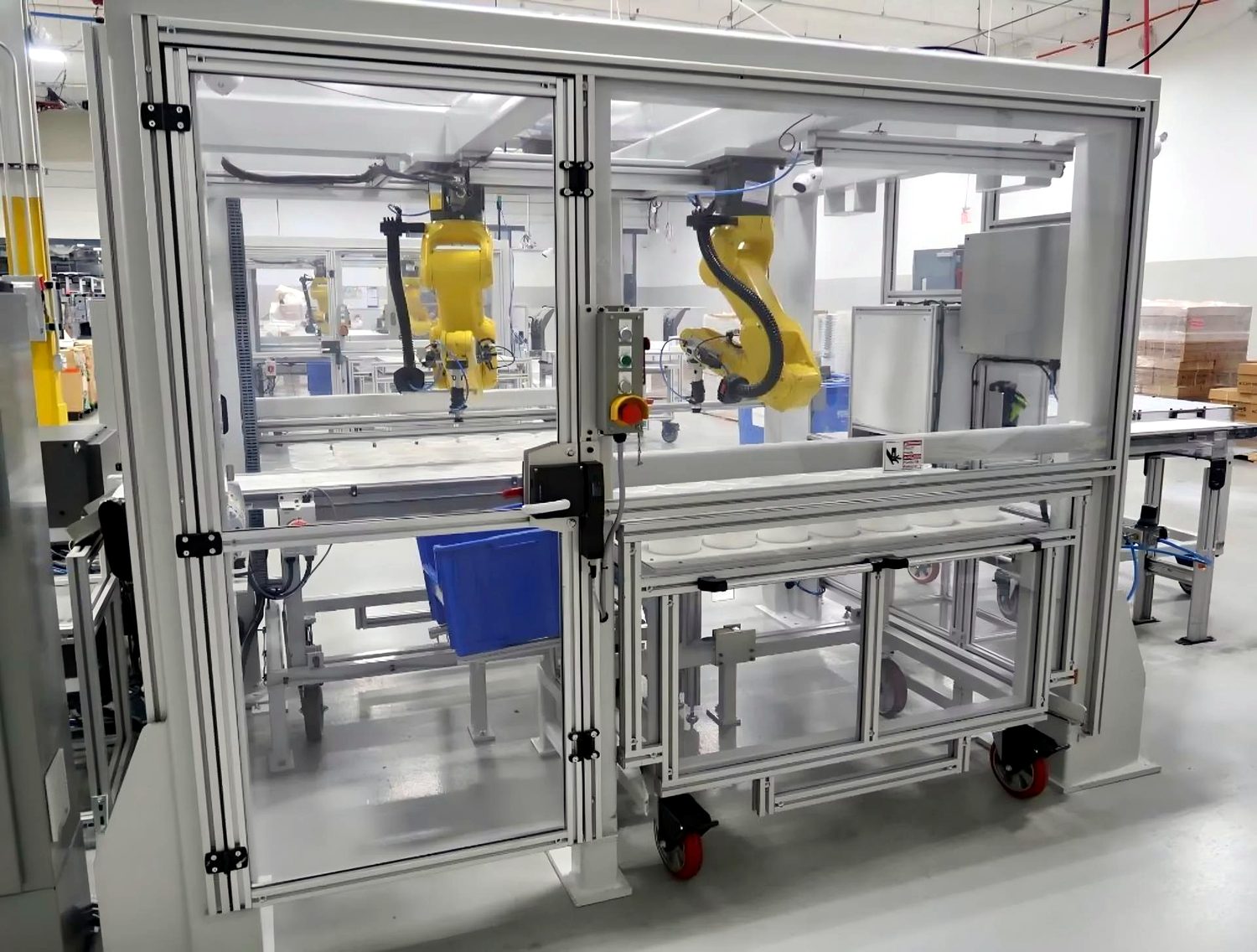
What our factory reviews before quoting
When quoting guards to a standard, we confirm which regime applies: OSHA 1910.212 (US general industry — performance-based), ISO 14120 (international — guard design and construction), or ANSI B11.19 (US machine tool performance criteria). The standard sets the guard category, minimum opening sizes relative to hazard distance, and interlock requirements. We map these to material choice: acrylic for low-impact guarding where visibility is primary, polycarbonate where impact rating is specified. Our quote includes the standard reference and the design features that satisfy it.
What changes when the guard is interlocked
For this guide on machine guard standards, the failures that matter most in production and service are:
- Check: Calling a voluntary standard an OSHA regulation.
- Check: Assuming one generic standard covers a specific machine completely.
- Check: Asking a plastic fabricator to certify control-system safety functions.
- Check: Citing a standard number without verifying current edition and scope.
How to verify the result
Agree on inspection before production. State the instrument or visual setup, sample conditioning, viewing distance, lighting, measurement locations and acceptance rule. Save the approved sample and process record with the drawing revision. If a result changes, compare resin lot, tool or adhesive lot, machine setup, environment and test method before changing the specification. This evidence trail is more useful than an unsupported performance claim and makes later supplier or customer reviews much faster.
Related engineering and purchasing resources
- Acrylic versus polycarbonate for machine guards
- How to request a fabrication quote
- ISO 9001 quality-control process
- Acrylic fabrication FAQ
Primary references
- OSHA 29 CFR 1910.212 — General requirements for all machines. Confirm the current edition, scope and applicability for the project.
- ISO 12100:2010 — Risk assessment and risk reduction. Confirm the current edition, scope and applicability for the project.
- ISO 14120:2015 — General requirements for guards. Confirm the current edition, scope and applicability for the project.
Related engineering guides
Review your drawing with an acrylic fabricator
If the decision in this guide affects a production part, send the drawing, application conditions and acceptance criteria. See our custom acrylic machine guards page, then request a manufacturability review. Typical samples can be produced in 48 hours and production in 7 days after drawing approval when the project scope supports that schedule.
Frequently asked questions
Q: Is ANSI the same as OSHA? A: No. OSHA issues enforceable US workplace regulations; ANSI coordinates voluntary consensus standards, though those standards may inform accepted practice.
Q: What does ISO 14120 cover? A: It gives general requirements for the design and construction of fixed and movable guards.
Q: Which standard applies to my machine? A: That depends on machine type, destination, workplace, contract and risk assessment; a qualified compliance professional should make the determination.
Editorial boundary: This article provides manufacturing and specification guidance. Safety, code, electrical, fire and regulatory decisions remain with the responsible project professionals and relevant authorities.