
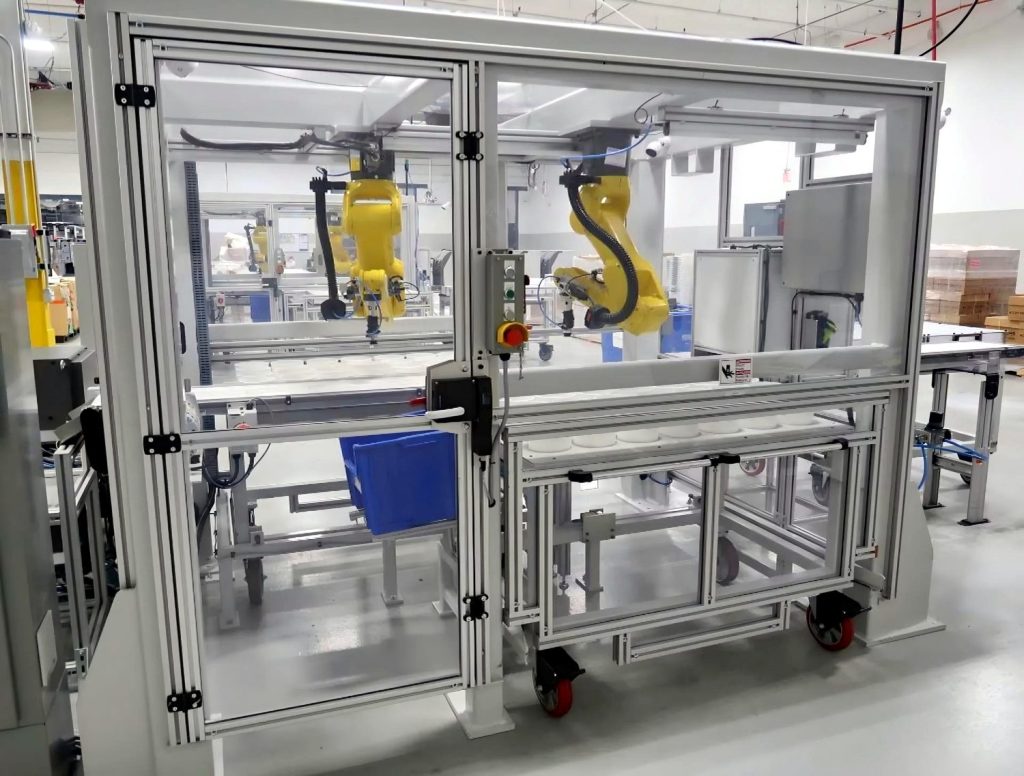
Short answer: A guarding project should begin with hazardous motion, ejected material, heat, stored energy and expected human access—not with panel dimensions. The OEM or responsible integrator owns the machine-level risk assessment; the fabricator uses its outputs to make openings, panels, doors and mounting features manufacturable.
Before specifying the manufacturing route for this part, confirm the load case, environment, access pattern and visual standard against the drawing. The notes below reflect AcrylicFabWorks’ ISO 9001 facility and documented equipment; quoted material grade, drawing revision and project test evidence remain controlling.
Machine guard risk assessment: where to start
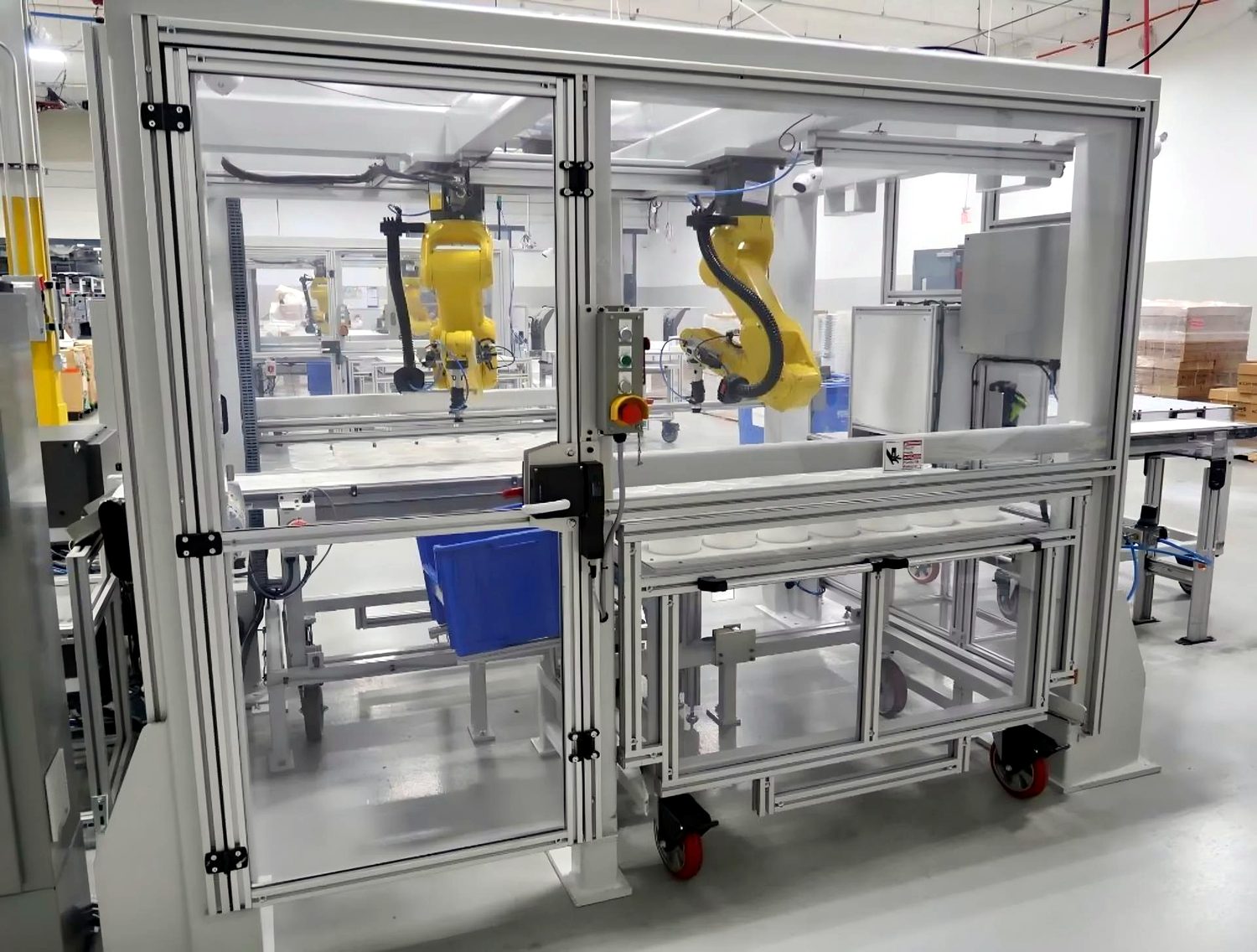
A useful review of machine guarding risk assessment starts with the part’s function, material grade, thickness, dimensions, environment, load, expected access, cosmetic faces and inspection method. Where a safety function, chemical exposure or regulated installation is involved, assign an engineer or qualified compliance professional to approve the requirement.
This guide stays within one practical decision: risk inputs needed before fabricating a guard. Manufacturing capacity, pricing and lead-time questions are covered on the linked capability or product page. Keeping the engineering question separate helps the reader reach a decision without mixing it with purchasing details.
| Situation | Best-fit use or concern | What to verify |
|---|---|---|
| Hazard | Motion, ejection, heat or energy | Location and credible exposure |
| Person | Operator, cleaner, setter, maintenance | Task and frequency |
| Access | Observe, load, adjust, clear or repair | Opening and reach path |
| Safeguard | Fixed, interlocked, distance or other | Owner of control validation |
From hazard map to guard drawing
- Map hazards through production, setup, cleaning and maintenance states.
- List each person's task, approach direction and access frequency.
- Define what must be seen without opening the guard.
- Translate the approved concept into panel, frame and access drawings.
- Review changes after installation; a moved sensor or opening can change risk.
What our factory reviews before quoting
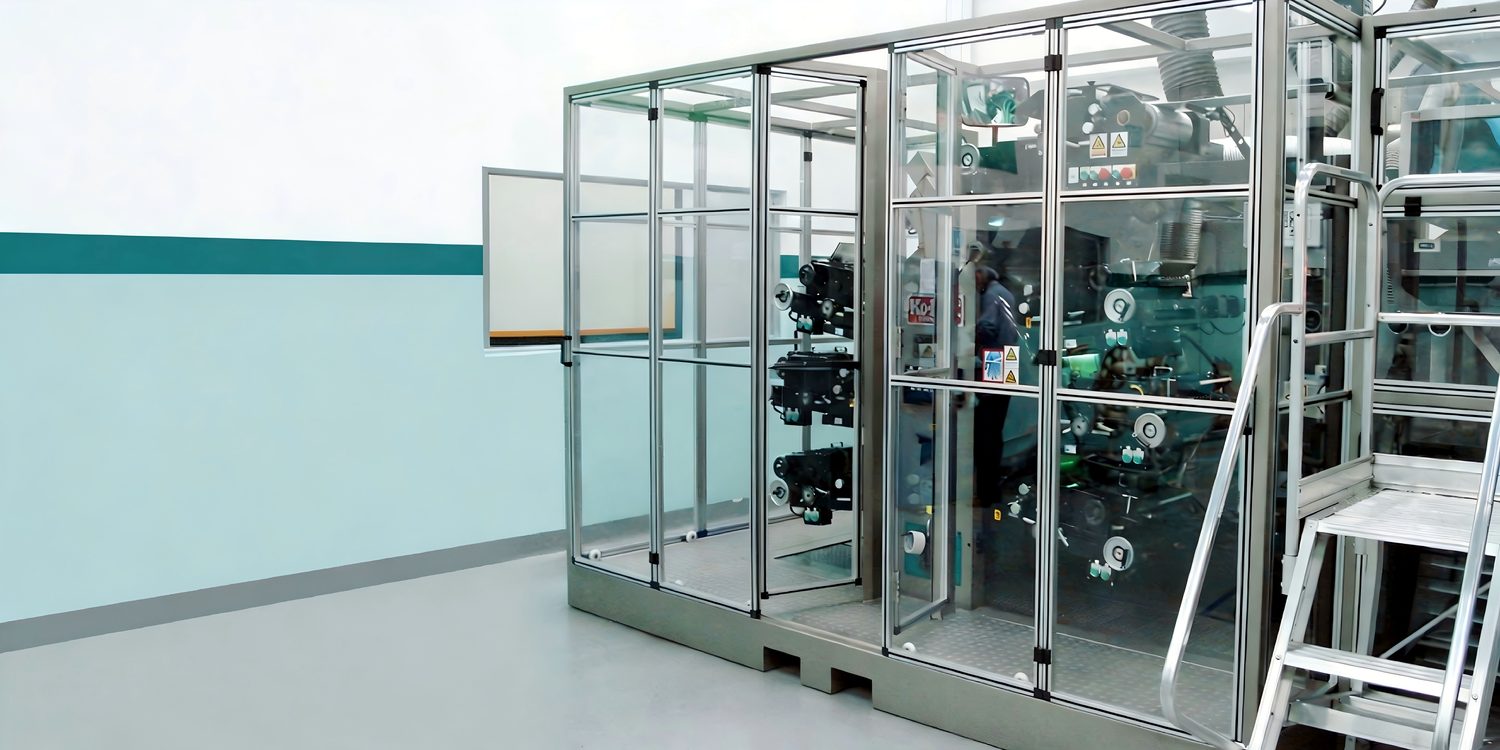
When quoting a guard, our review starts from the machine’s hazard assessment, not the panel size. We check: guard category (fixed, interlocked, adjustable), required visibility window, fastener access from the operator side, and whether the guard must resist tool ejection or only contain chips and coolant. Acrylic suits low-to-moderate impact guarding; polycarbonate is specified where impact rating is required. Panel thickness is set by unsupported span per our span table, and mounting bosses or standoff details are confirmed against the machine frame drawing.
What changes when a guard must interlock
For this guide on machine guard risk assessment, the failures that matter most in production and service are:
- Check: Assessing only normal production and ignoring jam clearing.
- Check: Assuming transparency removes the need for access control.
- Check: Placing a convenient hand opening inside an unsafe reach path.
- Check: Asking a panel fabricator to certify the complete machine system.
How to verify the result
Related engineering and purchasing resources
- Acrylic versus polycarbonate for machine guards
- How to request a fabrication quote
- ISO 9001 quality-control process
- Acrylic fabrication FAQ
Primary references
- OSHA machine-guarding general requirements. Confirm the current edition, scope and applicability for the project.
- ISO 12100:2010 — Risk assessment and risk reduction. Confirm the current edition, scope and applicability for the project.
Related engineering guides
Review your drawing with an acrylic fabricator
If the decision in this guide affects a production part, send the drawing, application conditions and acceptance criteria. See our custom acrylic machine guards page, then request a manufacturability review. Typical samples can be produced in 48 hours and production in 7 days after drawing approval when the project scope supports that schedule.
Frequently asked questions
Q: Who performs the risk assessment? A: The machine manufacturer, owner or qualified responsible integrator should control it; roles depend on the project and jurisdiction.
Q: Does a clear guard remove the need for interlocking? A: No. Visibility and control of access are different functions.
Q: What should be sent to the fabricator? A: Send drawings, hazard boundaries, access tasks, environmental exposure, panel material decision, fastener concept and acceptance requirements.