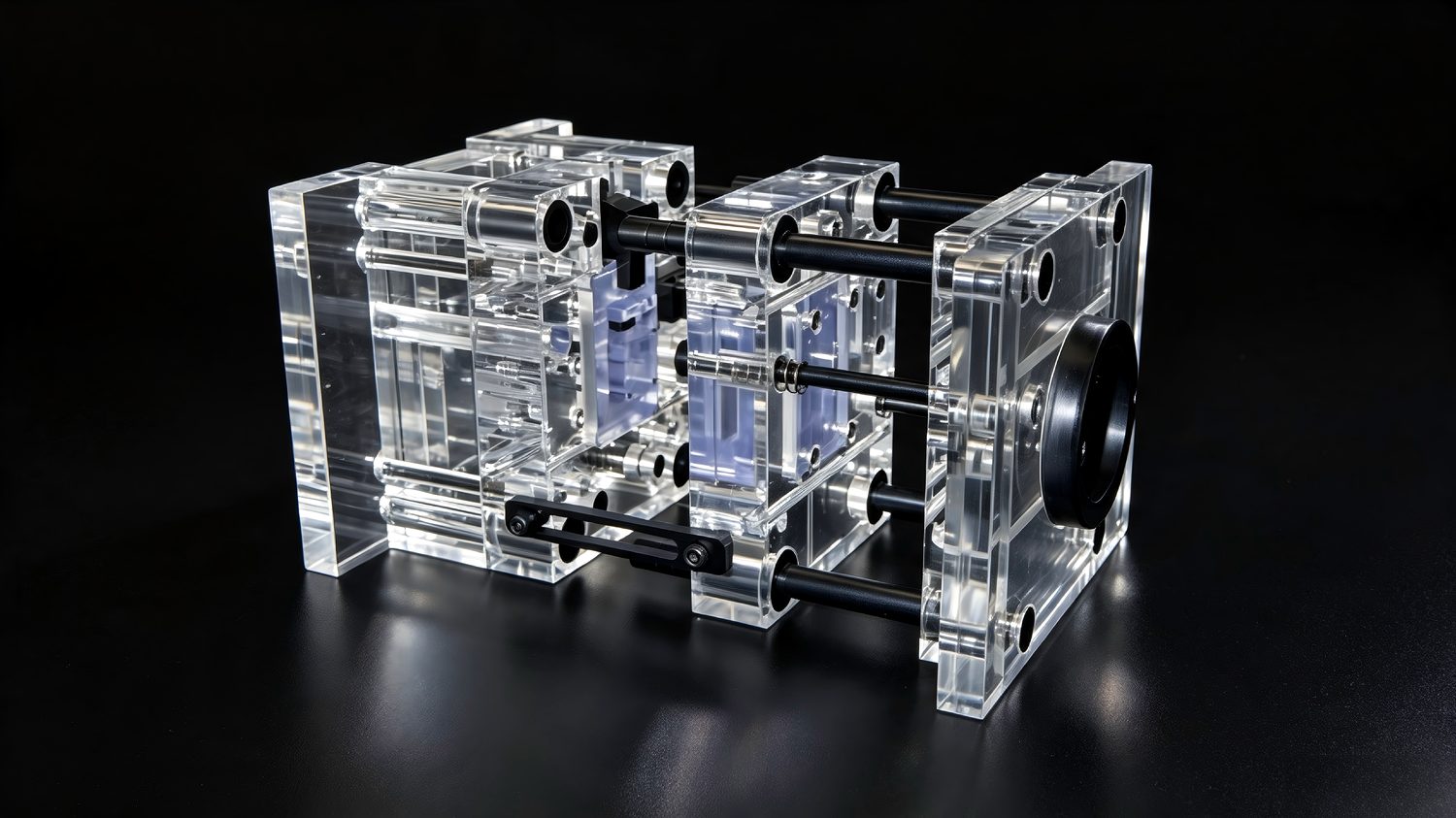
Precision-machined clear acrylic manifold assembly with bonded joints
Precision-machined clear acrylic manifold assembly with bonded joints

Reply within 12 hours · free DFM feedback
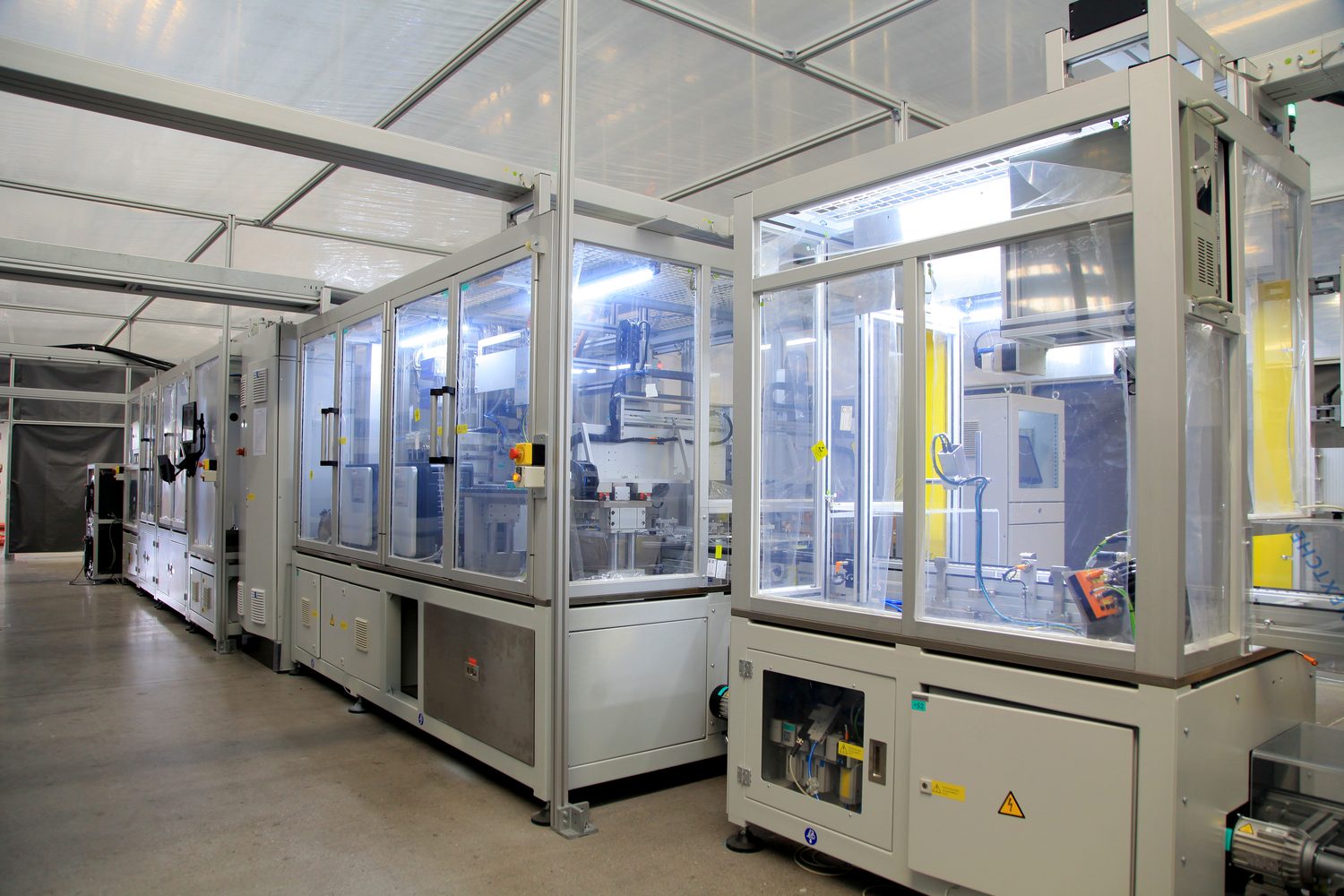
Short answer: To trace an acrylic part from its sheet lot to the batch you received, use the part number and drawing revision as the key, and ask the supplier to link four records to it: the incoming material record (grade, thickness, sheet lot), the first-article result for that drawing revision, the dimensional and final inspection results, and any approved change. A drawing revision should trigger a new first article. Which of these records come with your order, and at what level — lot, batch or part — is agreed in the quotation.
AcrylicFabWorks is the acrylic division of SinoPlastix. We machine PMMA parts at one site in Suzhou, China, by default from Calypto cast acrylic sheet cast on our own line, so the sheet and the machining sit under one roof; Mitsubishi or Lucite optical-grade PMMA is used when the order specifies it.
Precision-machined clear acrylic manifold assembly with bonded joints
The usual cause of a reorder looking different is an unrecorded change — a different sheet source, a new drawing revision or a changed process. Ask that material, process and drawing changes be confirmed with you before production and recorded against the part number, so the new state is traceable.
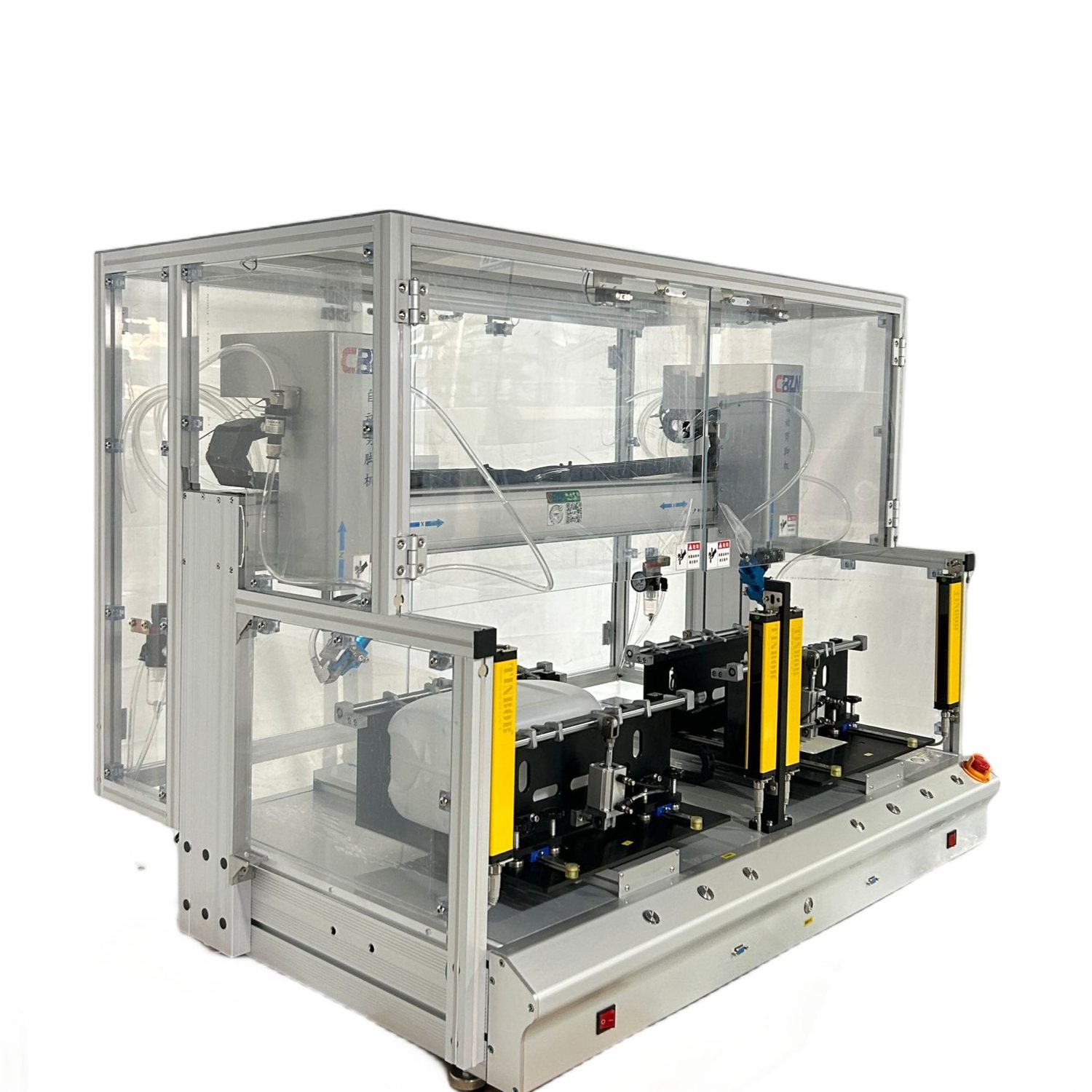
Acrylic enclosure panels staged in batches for production
| Your situation | Ask for | Usually not needed when |
|---|---|---|
| You must trace parts back to a material lot | Material lot record or certificate tied to the order | Part-level evidence is enough |
| You reorder the same part regularly | Comparison against the approved first article and drawing revision | It is a one-off prototype |
| Your drawing revision changed | A new first article for the new revision | The reorder is unchanged |
| Your QA needs inspection evidence per batch | Dimensional report and final inspection record for the batch | A certificate of conformity alone is accepted |
Ask for lot-level traceability in the RFQ; the quotation confirms which material record is linked to your order.
A new first article against the new revision, with the change recorded against the part number.
No. They are order-specific and are not published on this site.
The quotation lists them for your order; agree the set before the purchase order.
Send your drawing — an engineer replies within 12 hours.