
Acrylic is a common material for boat windows, portlights and hatch lenses. Where it works, where polycarbonate or glass is the safer choice, and how to bed it so it does not craze or leak.
For boat builders and refit yards · production from 20 pieces per design
Cast acrylic is widely used for boat windows, portlights and hatch lenses because it is clear, holds up well in sun and salt air, and can be polished when it scratches. It is not the right choice everywhere. Where the glazing may be hit hard, for example a windscreen on a fast boat or a hatch people stand on, a higher-impact material may be required. The thickness and fixing of any window must be designed for its position and the boat’s category, and ISO 12216 is the reference for small craft. Most acrylic window problems come from the installation, not the sheet: solvent-based sealants that craze it, holes with no room for movement, and fasteners pulled too tight.
Where acrylic fits on a boat
| Position | Acrylic? | Note |
| Fixed cabin side windows | Commonly used | Size the thickness to the design load; tinted grades cut solar heat |
| Portlight and hatch lenses | Commonly used | Thickness and frame to the hatch maker’s or designer’s specification |
| Hatches people walk on | Only to a designed thickness | Load and slip resistance decide; check with the designer |
| Windscreens with impact risk | Consider alternatives | Polycarbonate or laminated glass for high impact; we do not supply polycarbonate |
Our acrylic vs polycarbonate guide compares clarity, scratch resistance, UV behaviour and impact strength.
Bedding and fixing: where most failures start
- Sealant. Use a sealant whose maker says it is compatible with acrylic. Some solvent-containing sealants and primers attack acrylic and cause crazing around the edge and holes, sometimes weeks later.
- Holes. Drill them oversize and keep them well in from the edge. Bolts must not touch the acrylic, so the panel can move.
- Movement. Acrylic expands about ten times more than steel or GRP. A 600 mm window grows about 1.7 mm for a 40 °C rise from a cool morning to a dark frame in full sun (typical coefficient for cast acrylic, 7 × 10⁻⁵ per °C). Leave that gap in the frame and bedding.
- Torque. Tighten to compress the bedding, not the acrylic. Over-tightening puts stress around the hole that later shows as cracks.
- Cast, not extruded. Cast sheet resists crazing from sealants and cleaners better and polishes clearer at the edge.
Care afloat
Rinse salt off with fresh water before wiping, because dried salt crystals scratch. Clean with mild soap and a soft cloth. Do not use ammonia glass cleaners, alcohol or solvents. Light scratches polish out, and our guide to removing scratches from acrylic shows how. Replace a window that has crazed around its fixings: crazing cannot be polished out and it weakens the panel.
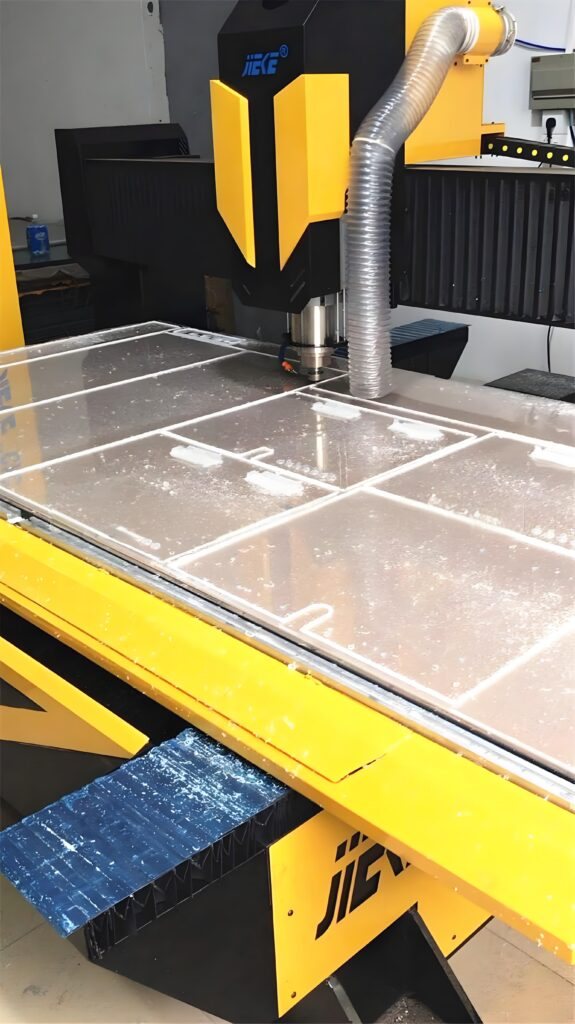
Cut from a template
Profiles routed from DXF
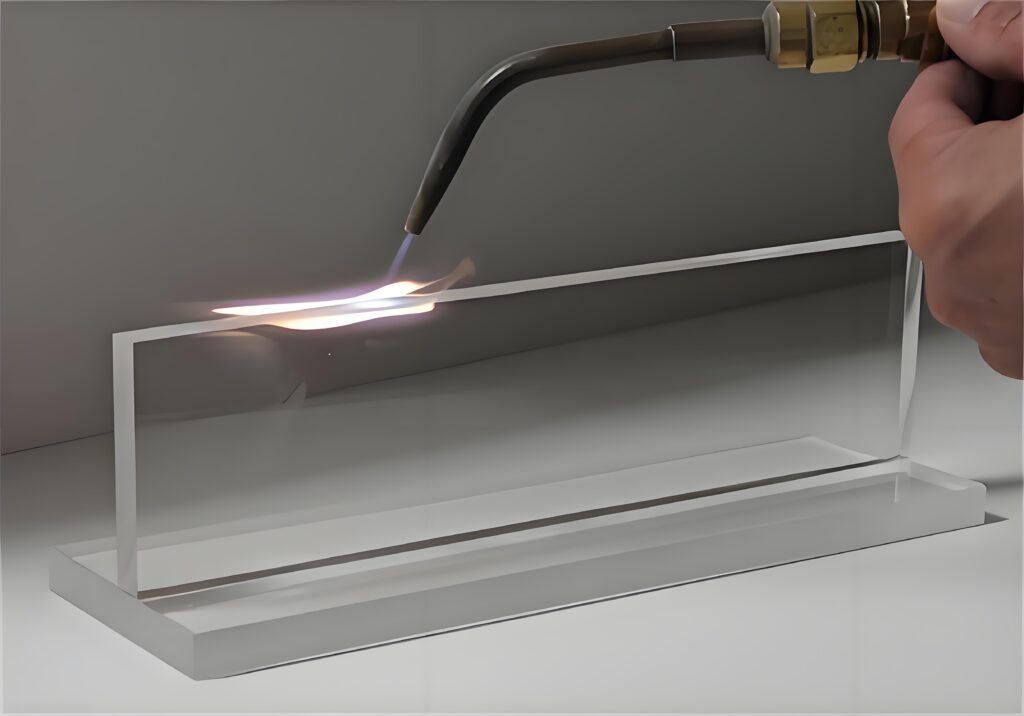
Edge finish
Polished where the edge shows

Bent panels
Cold-bent or line-bent to a radius
Ordering windows for a production boat or a refit
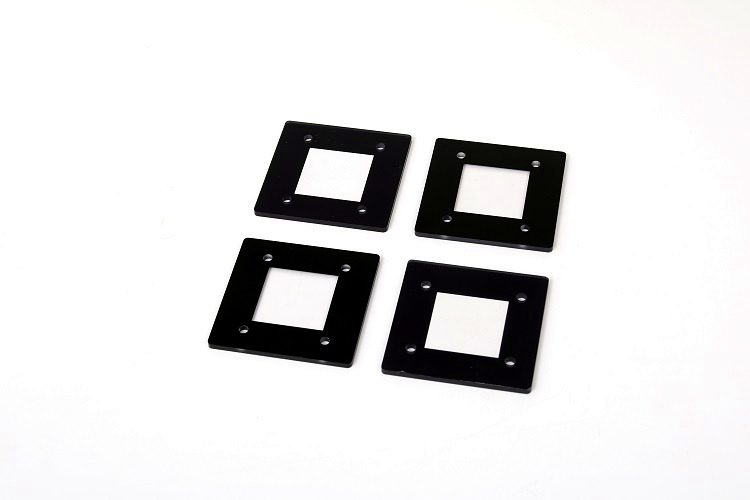
Send a DXF or a traced template of each window, the thickness and tint from the design, the hole pattern, the edge finish and any bend radius. AcrylicFabWorks, the acrylic division of SinoPlastix, cuts, drills, bends and polishes window panels from Calypto cast acrylic sheet in Suzhou, China. We supply panels to your drawing. The window design, its approval for the boat’s category, and installation stay with the builder or designer. Production starts at 20 pieces per design, so we suit builders and yards running a series. For a single replacement window, a local shop is faster.
FAQ
Is acrylic good for boat windows?
Yes, for most fixed windows, portlights and hatch lenses. It is clear, holds up well in sun and salt air, and polishes when scratched. Use polycarbonate or laminated glass where high impact is expected.
Why do acrylic boat windows crack around the screws?
Usually because of solvent-based sealant, holes without room for movement, or overtightened fasteners. All three put stress on the acrylic around the hole.
What sealant should be used with acrylic boat windows?
One that its maker states is compatible with acrylic. Avoid solvent-containing sealants and primers unless the maker approves them for acrylic.
Is cast or extruded acrylic better for marine windows?
Cast. It resists crazing from sealants and cleaners better and gives clearer polished edges.
Building a series of boats?
Send the window templates and thickness. We reply within 12 hours.
Or email [email protected]