
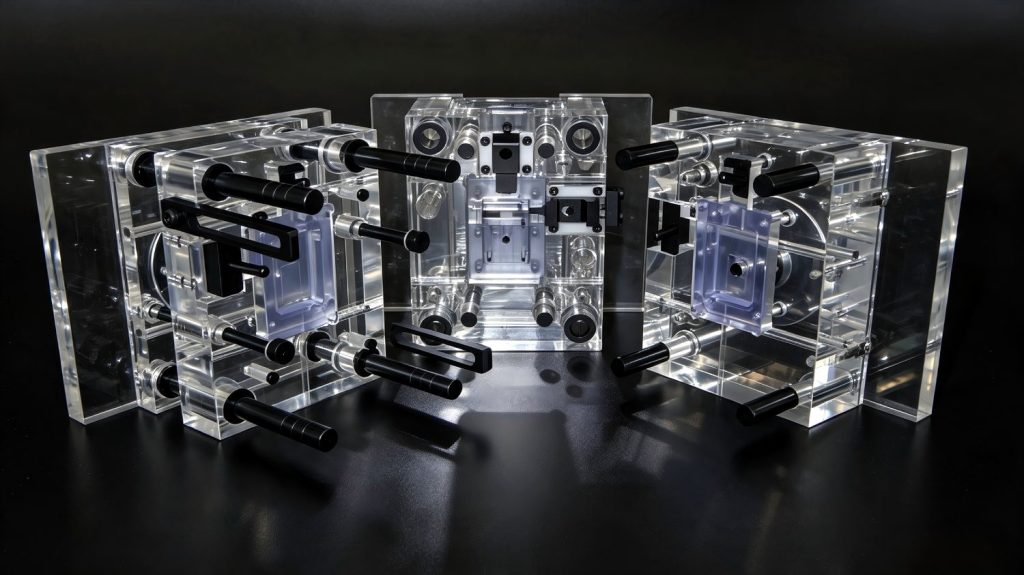
Which scratches can be polished out of acrylic, how to do it without making the panel worse, and when a replacement panel costs less than the repair.
Reply within 12 hours · replacement panels cut from your drawing
Most scratches in acrylic can be removed because the surface can be polished back to clear, which glass does not allow. Start with the fingernail test. A scratch your nail does not catch on is a hairline, and plastic polish and a soft cloth will remove it. A scratch the nail just catches on needs wet sanding with progressively finer grit, then polishing. A gouge deeper than about 0.5 mm needs machining before it can be polished, so on a large or optical panel replacement is usually the better choice. Hard-coated and face-printed panels cannot be sanded without removing the coating, and on acrylic mirror any waviness left by sanding shows up doubled in the reflection.
Match the method to the scratch
| Fingernail test | Method | Expected result |
| Nail slides over it | Plastic polish by hand with a microfibre cloth | Usually invisible |
| Nail just catches | Wet-sand with fine grits, then polish compound | Clear again; the area may show slight waviness at an angle |
| Nail drops into it (about 0.5 mm or deeper) | Machine the surface, then polish, or replace the panel | A workshop job; replacement is often cheaper |
| Scratch in hard-coated, face-printed or mirror sheet | Hand-polish fine marks only; otherwise replace | Sanding removes a hard-coat or print; on mirror, sanding waviness shows doubled |
Removing a light scratch, step by step
- Wash the area with mild soap and water and let it dry. Grit left on the surface makes new scratches.
- Wet-sand only the scratched area with a sanding block, starting with the finest grit that removes the scratch (often around P800–P1200). Keep the paper and the panel wet.
- Move through finer grits (for example P1500, P2000, P3000), sanding at right angles to the previous grit, until the only marks left are from the finest grit.
- Polish with a plastic polishing compound, by hand or with a low-speed buffer and a clean pad. Keep the buffer moving: heat softens acrylic and leaves swirl marks.
- Clean off the compound and check the panel against the light at the angle it will be seen from.
The grit numbers are typical starting points, not a fixed recipe. Try the sequence on a hidden corner or an offcut first. Do not flame-polish a flat face. Flame polishing is for edges and can leave stress that later crazes.
What makes scratches worse
- Dry wiping a dusty panel. The dust acts as sandpaper. Rinse first.
- Paper towels and scouring pads. Both scratch. Use a soft microfibre cloth.
- Ammonia glass cleaners, alcohol, acetone and solvents. They do not scratch, but they can craze the surface, especially near holes, bends and bonded joints. Crazing cannot be polished out.
- Fast power buffing. Heat builds up, the surface softens and the haze gets worse.

Polished surfaces
Acrylic can be polished back to clear
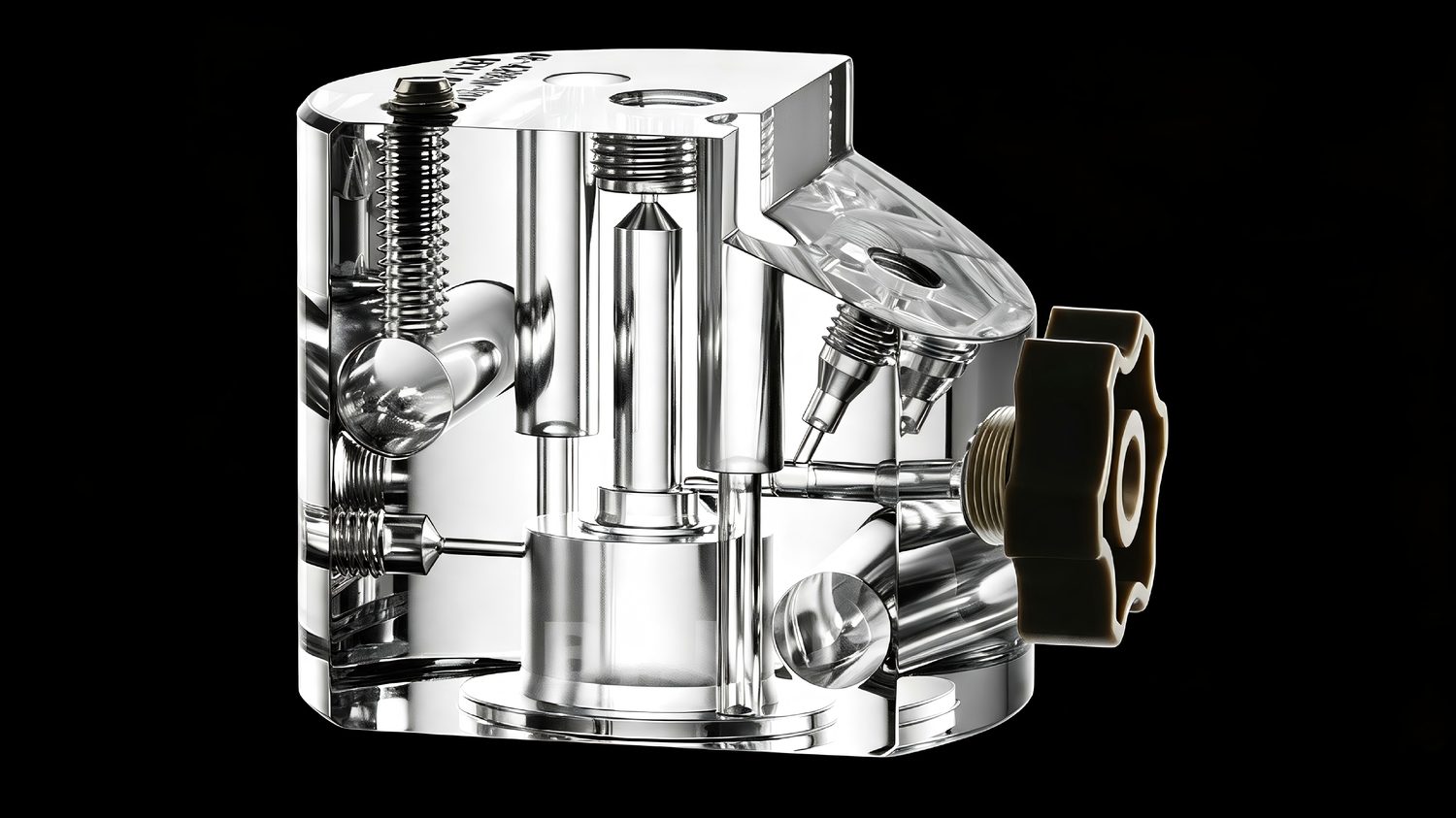
Machined then polished
Deep damage is machined out first
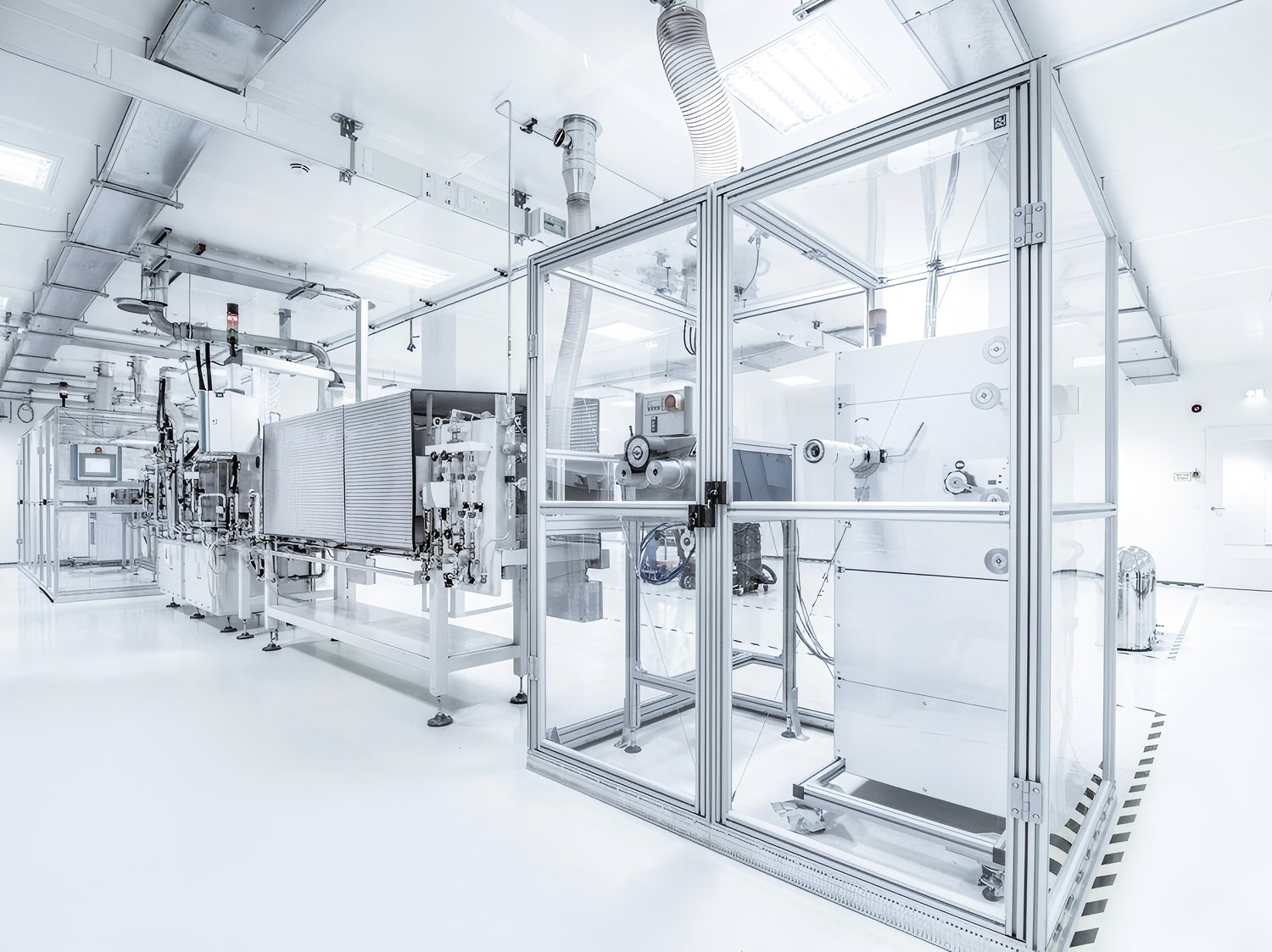
Guards and windows
Replace when visibility is lost
Repair or replace?
Repairing makes sense for a few light scratches on a panel that is hard to replace. Replacing makes more sense when the scratches cover a large area, when the panel is coated or printed, when it has crazed, or when it is a machine guard or viewing window and the operator can no longer see through it clearly. Our note on cleaning acrylic machine guards covers routine care for those.
If you have the original drawing, or the old panel to measure, AcrylicFabWorks, the acrylic division of SinoPlastix, can cut replacements from Calypto cast acrylic sheet with the edges polished. Production starts at 20 pieces per design; a single replacement is usually quicker from a local shop. See our polishing capability for edge and face finishes.
FAQ
Can you buff scratches out of plexiglass?
Yes. Hairlines come out with plastic polish. Scratches a fingernail catches on need wet sanding with fine grits first, then polish. Gouges deeper than about 0.5 mm need machining or a new panel.
Does toothpaste remove scratches from acrylic?
It can soften very fine hairlines because it is a mild abrasive, but results are uneven. A plastic polishing compound gives a more consistent finish.
Can scratches be removed from acrylic mirror?
Only very fine surface marks, by hand polishing. Sanding leaves slight waviness that the mirror shows doubled in the reflection, so deeper scratches usually mean replacing the panel.
What should I clean acrylic with to avoid scratches?
Rinse off dust, then use mild soap, water and a soft microfibre cloth. Avoid paper towels, ammonia glass cleaners, alcohol and solvents.
Need replacement panels?
Send the drawing or the panel dimensions. We reply within 12 hours.
Or email [email protected]