
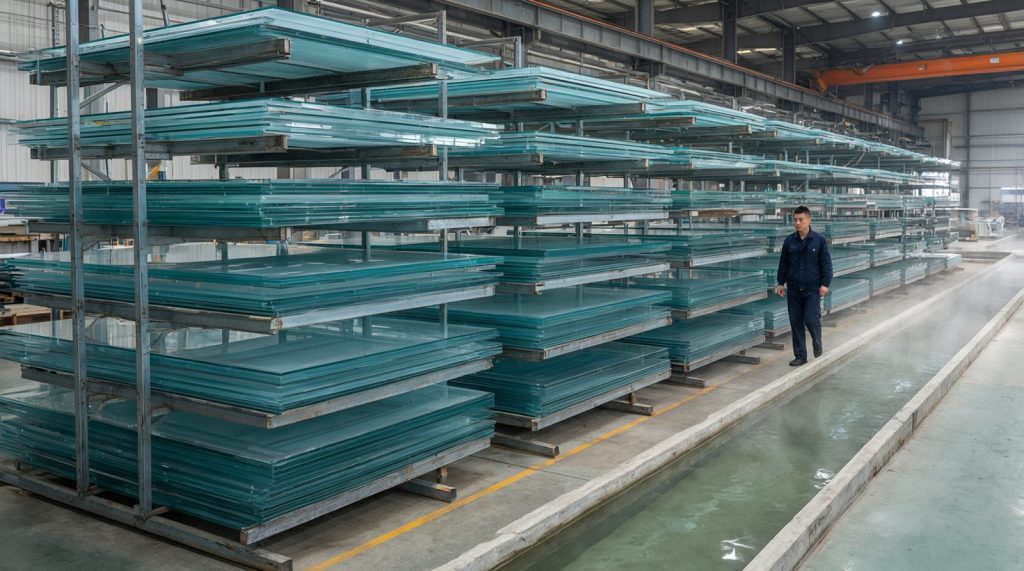
How cast acrylic sheet is made, step by step, what each step controls in the finished sheet, and what a buyer can check on a sample to tell a well-made sheet from a poor one.
One casting line · 135 tonnes a month · 1–30 mm
Cast acrylic sheet is made by pouring liquid methyl methacrylate (MMA) syrup between two sheets of glass sealed with a gasket. The filled mold is cured slowly, first in warm water and then in an oven. It is then cooled and opened, and the sheet is filmed, inspected and trimmed. Each step sets a property you can check later. Filtering and filling decide bubbles and specks. The glass decides surface quality. Slow, even curing decides internal stress and how evenly the thickness comes out. Inspection decides what reaches you. Calypto cast acrylic sheet is made this way by SinoPlastix on one line, with an output of 135 tonnes a month in 1–30 mm, at the same Suzhou site where AcrylicFabWorks cuts and machines it.
The steps, and what each one controls
| Step | What happens | What it decides in your sheet |
| 1. Prepare and filter the syrup | MMA is mixed with initiator (and pigment for coloured sheet) and filtered | Specks, gels and colour consistency |
| 2. Build the mold | Two polished glass plates are clamped together with a flexible gasket that sets the thickness | Surface finish and nominal thickness |
| 3. Fill and seal | The syrup is filled between the plates and the mold is sealed without trapping air | Bubbles and voids |
| 4. Low-temperature cure | Molds lie flat in a warm water bath while most of the polymerisation happens slowly | Internal stress and thickness evenness |
| 5. Oven post-cure | A higher-temperature stage completes the reaction | Residual monomer, heat resistance, machinability |
| 6. Cool and demold | Molds cool slowly, the glass is separated and the gasket removed | Stress, warp and surface marks |
| 7. Film, inspect and trim | Protective film is applied, the sheet is inspected and the edges trimmed to size | Scratches, defect rate and sheet size |
Thicker sheet needs a longer, slower cure, which is one reason thick cast sheet costs more per kilogram than thin sheet.
The process, step by step
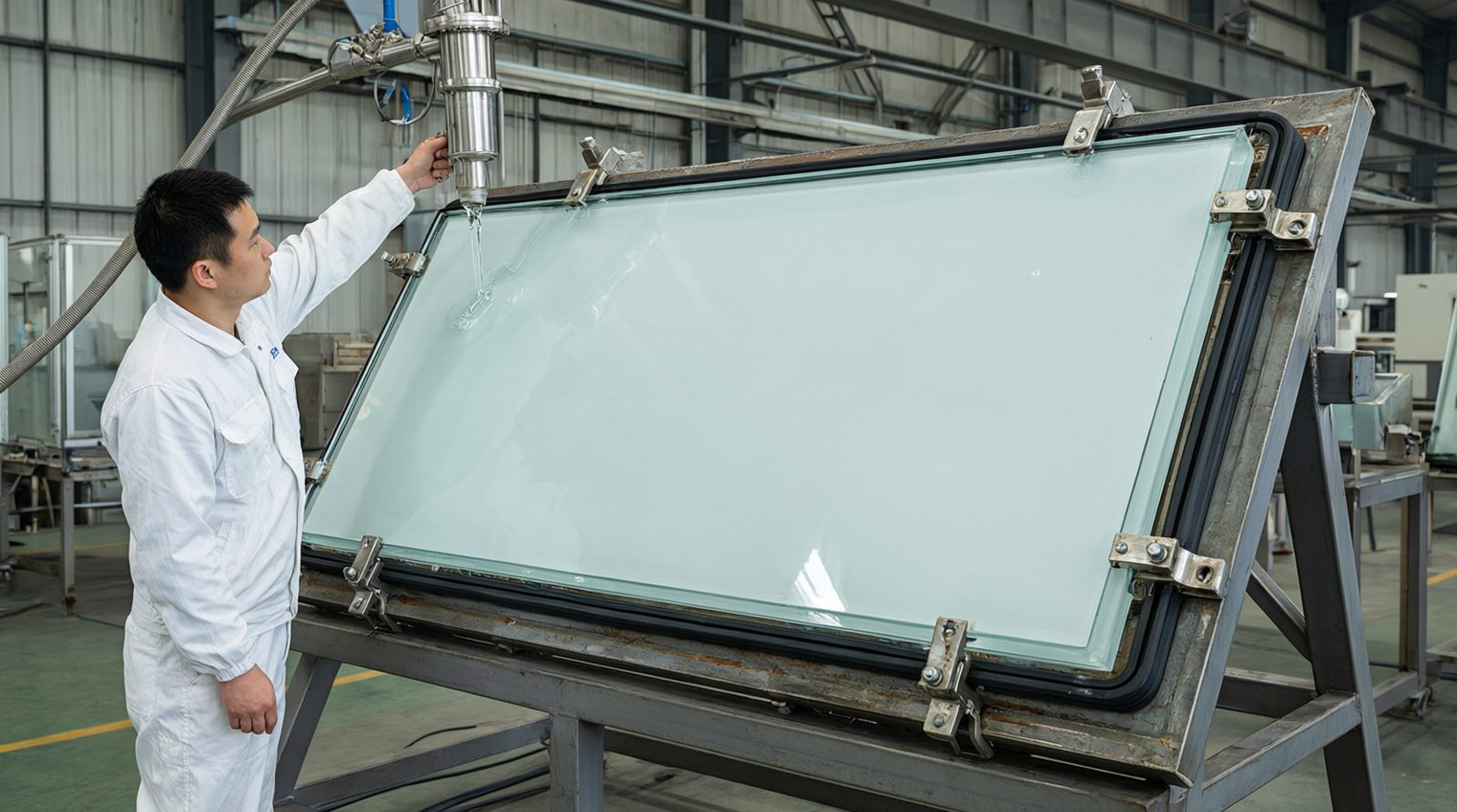
Filling the mold
Syrup goes between two sealed glass plates
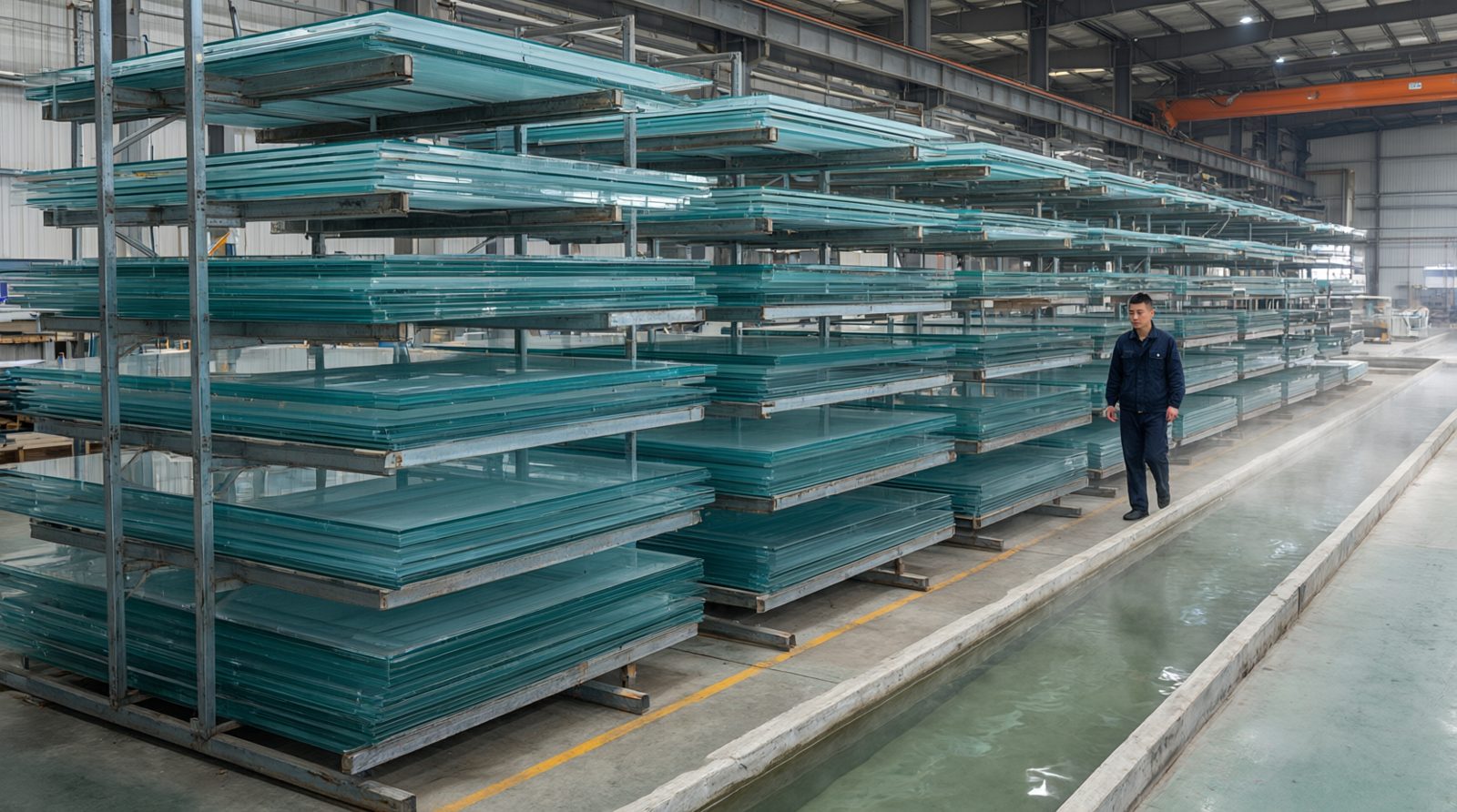
Water-bath cure
Slow, even polymerisation
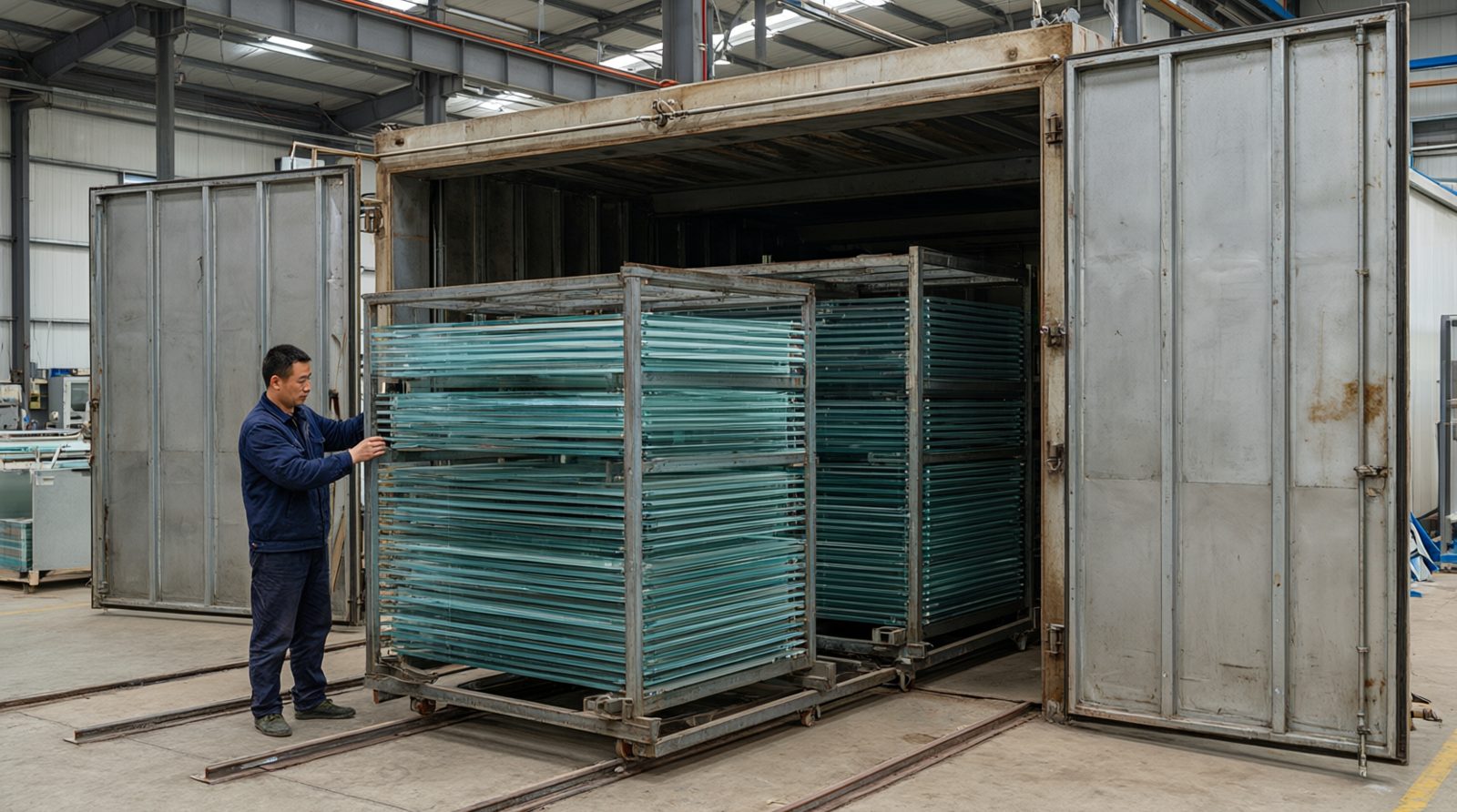
Oven post-cure
Completes the reaction
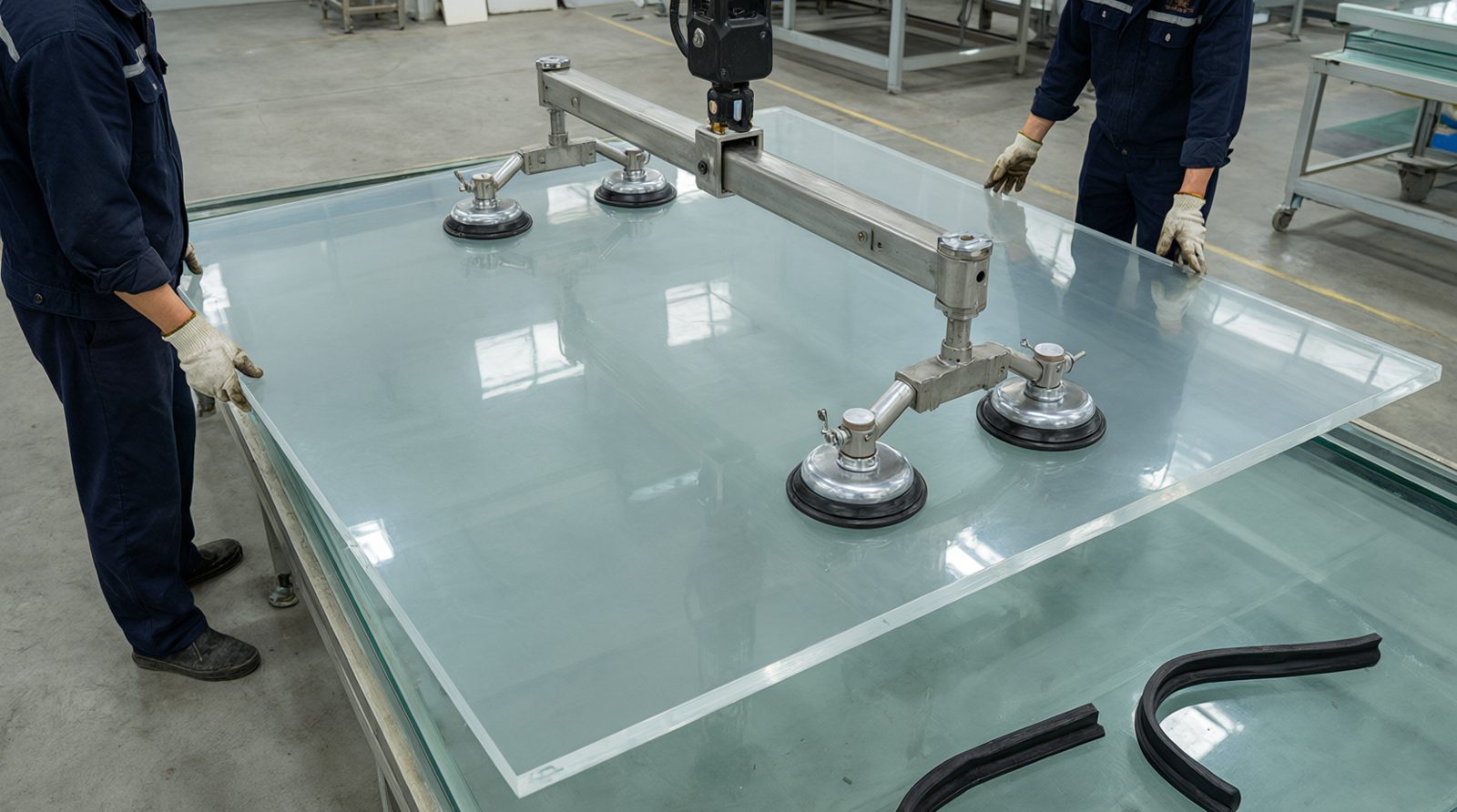
Demolding
Sheet lifted off the glass, gasket removed
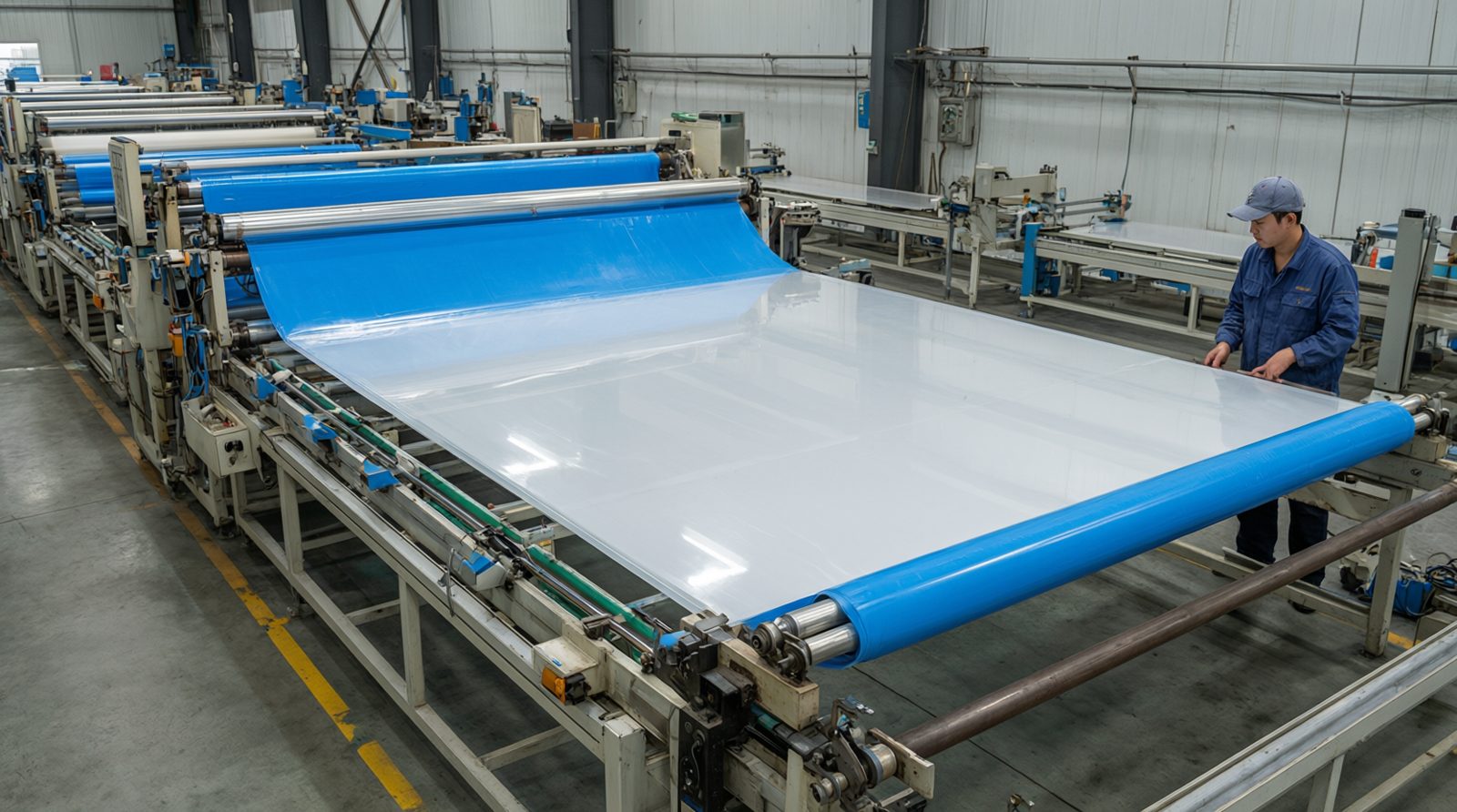
Filming
Film on both faces before handling
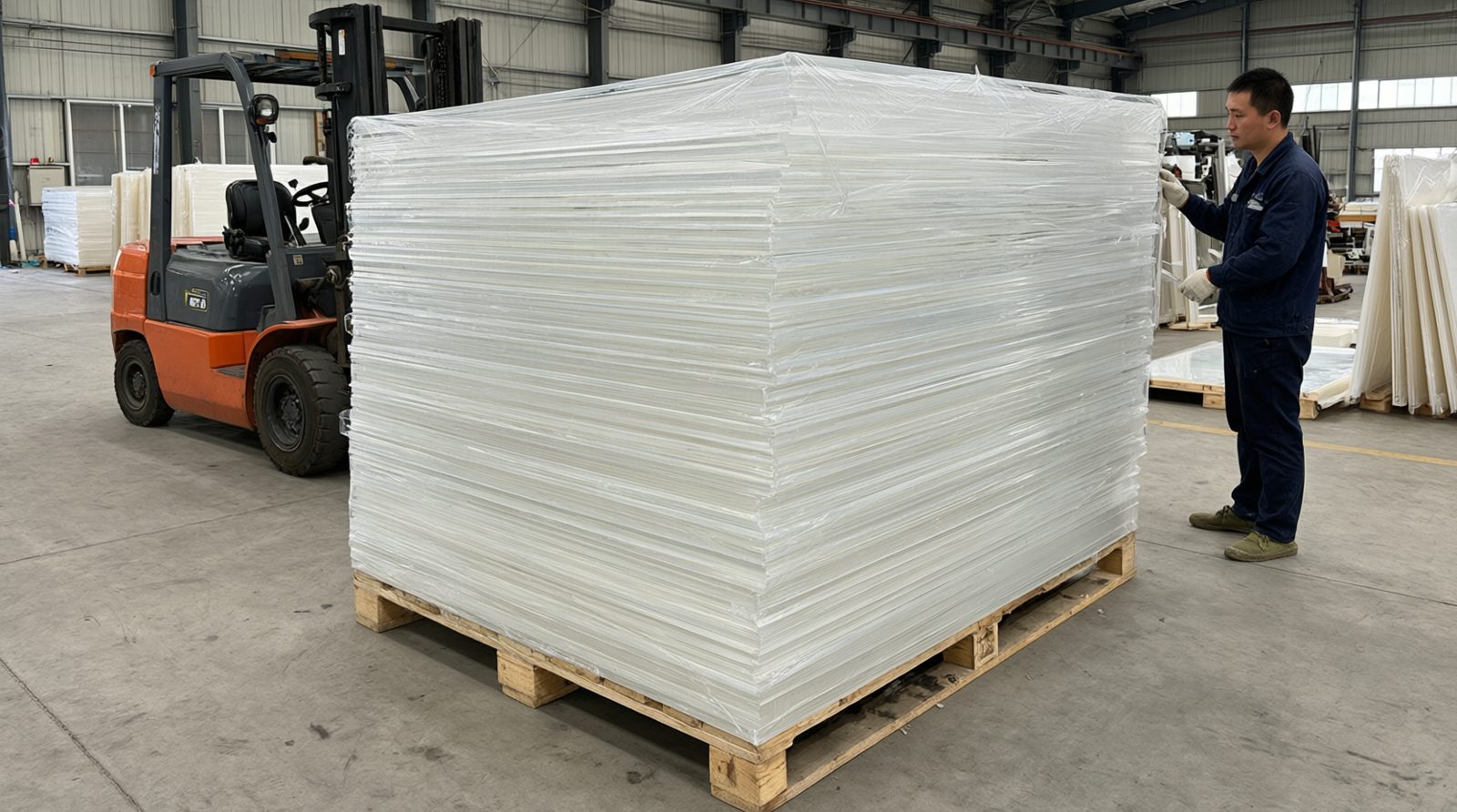
Finished sheet
Stacked flat, filmed, ready to cut
Common defects and where they come from
| What you see | Usual cause | How to check a sample |
| Bubbles or voids | Air trapped when filling, or curing too fast | Look through the edge and against a bright light |
| Specks and gels | Unfiltered syrup or a dirty mold | Inspect against a light at a fixed distance |
| Thickness that varies across the sheet | Gasket and plate setup, uneven cure | Measure nine points with a micrometer |
| Crazing after machining or bonding | Stress left from curing or cooling | Bond or solvent-wipe an offcut, then wait a few days |
| Strong odour, soft surface | Incomplete cure | Ask for the data sheet values and compare a sample’s hardness and smell with another supplier’s |
| Surface waves or marks | Worn or dirty glass plates | Look at a reflection across the sheet at a low angle |
For a full checklist before a bulk order, see how to check a supplier really casts the sheet. For why cast sheet behaves differently from extruded sheet when it is machined and bonded, see cast vs extruded acrylic for fabrication.
Why a caster that also fabricates matters
When the sheet is cast and cut on the same site, the people who machine it can trace a problem back to the lot it came from, and the lot record stays with the parts. AcrylicFabWorks, the acrylic division of SinoPlastix, cuts, machines, bends, bonds and polishes Calypto cast acrylic sheet in the same 15,000 m² (160,000 sq ft) plant in Suzhou, China, with ISO 9001 certification since 2020. Full sheets are quoted from 10 sheets in 1220 × 2440, 2050 × 3050 and 2000 × 1000 mm. Cut panels and fabricated parts start at 20 pieces per design.
FAQ
How is cast acrylic sheet made?
Liquid MMA syrup is filled between two sealed glass plates, cured slowly in a warm water bath, post-cured in an oven, cooled, separated from the glass, filmed, inspected and trimmed.
What is the raw material for cast acrylic sheet?
Methyl methacrylate (MMA) monomer, with a small amount of initiator and, for coloured sheet, pigment.
Why is cast acrylic more expensive than extruded?
Each sheet is made in its own glass mold and cured slowly, which takes more time and handling than continuous extrusion. Thick sheet cures longer still.
Who makes Calypto cast acrylic sheet?
SinoPlastix, on one casting line with an output of 135 tonnes a month in 1–30 mm, at the same Suzhou site where AcrylicFabWorks fabricates it.
Ask for a Calypto sheet sample and quote
Send thickness, size, colour and quantity. We reply within 12 hours.
Or email [email protected]