
How hot acrylic can get before it softens, bows or crazes, what that means for enclosures, light fittings, signs and displays near heat, and how to design so a part stays below its limit.
Reply within 12 hours · production from 20 pieces per design
Cast acrylic can be used continuously up to about 80 °C. It starts to soften at around 100–110 °C, and it is heat-formed at roughly 150–180 °C. Those are typical values; the data sheet for the exact grade decides. In practice, the panel rarely fails because the room is too hot. It fails because one spot runs hotter than the rest: a lamp or heater close behind it, a dark tint in direct sun, a hot-wash dishwasher, or stress from a fixing or a cut edge that crazes once it warms up. Design for the hottest point on the part, not the average air temperature.
Temperature and what happens to acrylic
| Temperature (typical, cast sheet) | What happens | Design meaning |
| Below 0 °C | Stays clear and rigid; less tolerant of impact | Fine for cold rooms and outdoor winter use; avoid sharp impact |
| Up to about 80 °C | Normal service range | Keep the hottest point of the part below this |
| About 80–100 °C | Slow creep under load, bowing of thin or long panels | Not for continuous service; short exposure only |
| About 100–110 °C | Softening starts (Vicat range) | Parts deform; no service here |
| About 150–180 °C | Forming range | Where acrylic is bent and thermoformed on purpose |
| Above about 400 °C | Decomposes and can ignite | Acrylic is combustible; it is not a fire-rated material |
Values are typical for cast PMMA sheet and vary by grade. For a design that runs close to a limit, use the figures on the data sheet for the grade you order.
Where acrylic parts get too hot
- Light fittings and light boxes. The diffuser close to the light source is the hot spot. LEDs run much cooler than halogen or fluorescent tubes, but check the gap and the ventilation. See what to test before approving a diffuser.
- Equipment enclosures and machine guards. Panels next to motors, heaters or ovens. Measure the surface temperature at the panel, not the room temperature.
- Dark tints and black in direct sun. A dark panel absorbs far more heat than clear or white. In hot climates check the panel, not the forecast. Our guide to acrylic in Gulf heat shows how much panels move.
- Food displays and cleaning. Hot-wash dishwashers and hot water can warp or craze acrylic. Hand-wash with lukewarm water instead.
- Signs near heaters and cooking. Keep acrylic away from radiant heaters, grills and open flames.
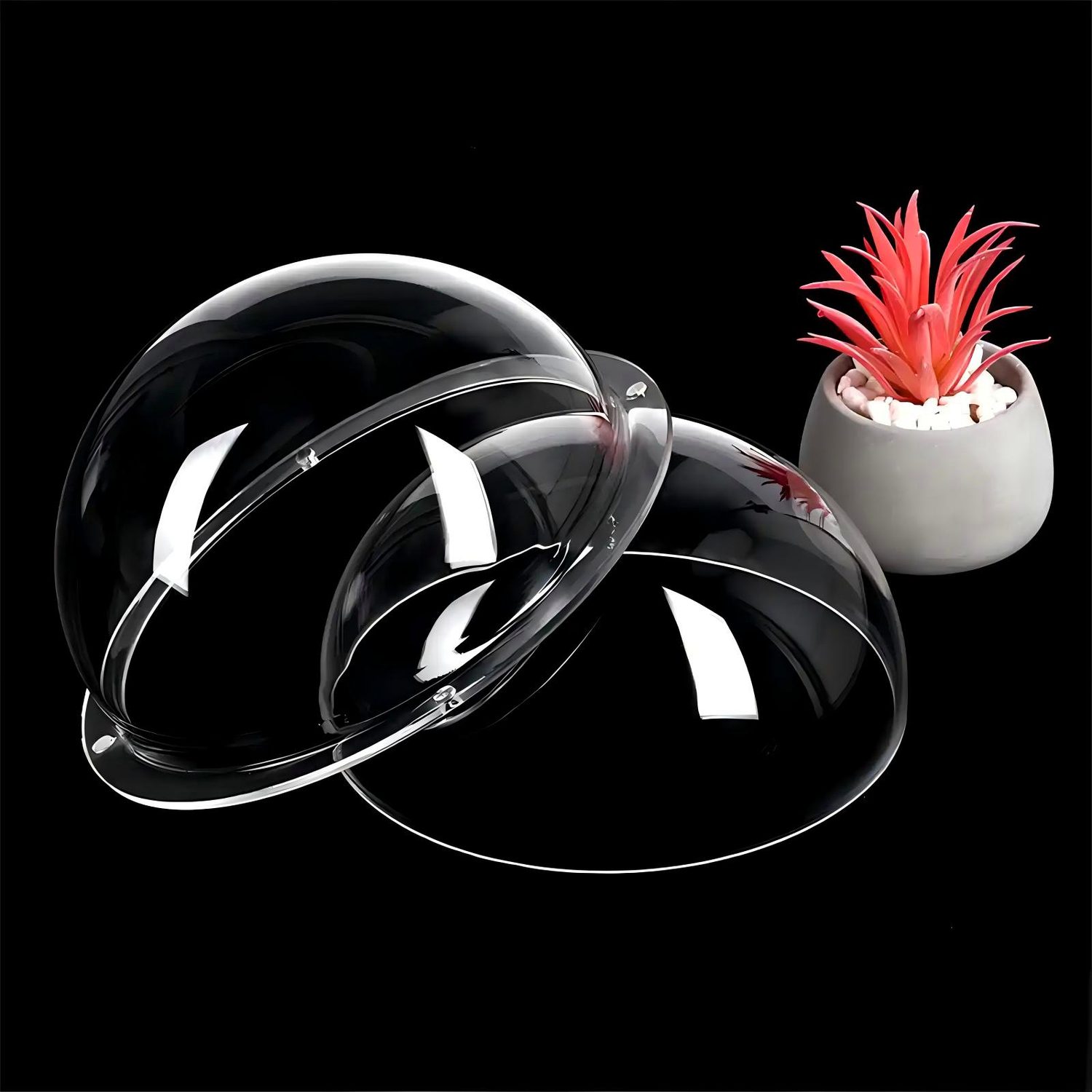
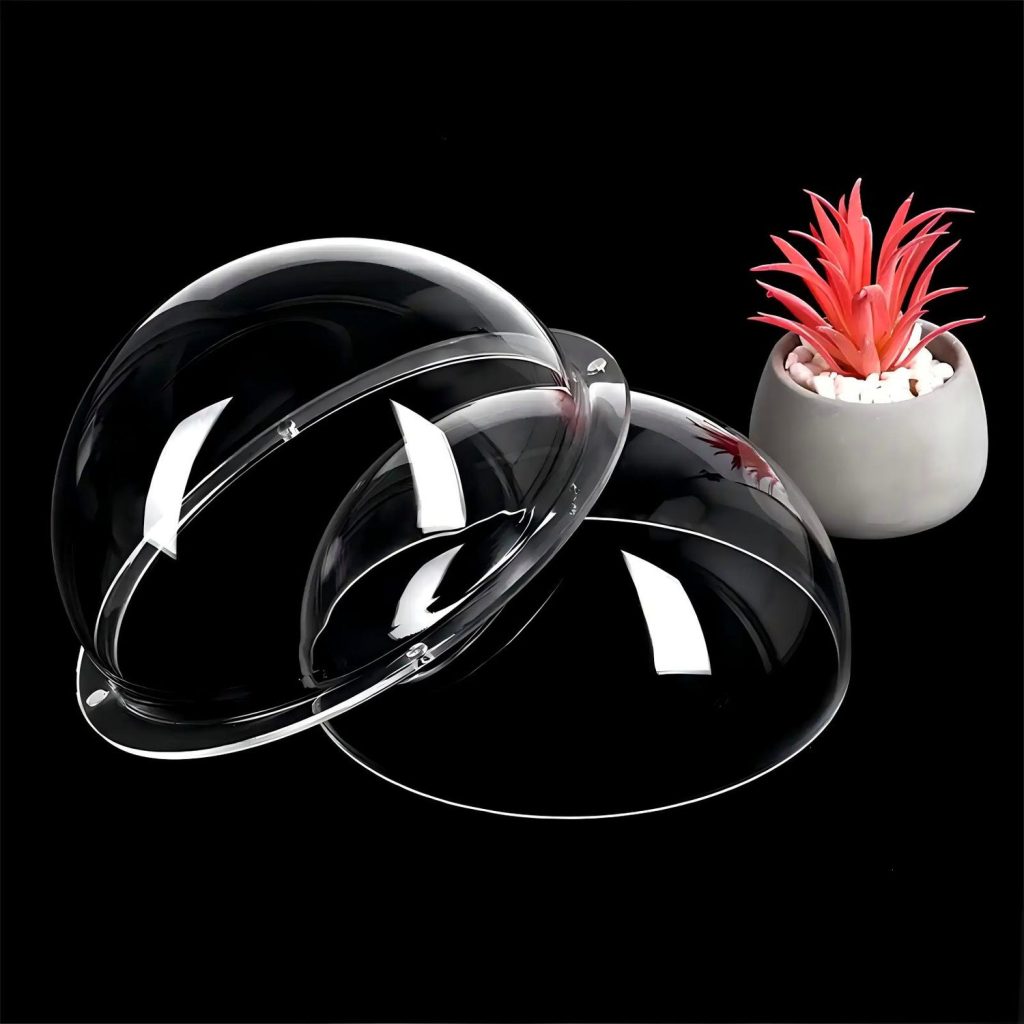
Formed on purpose
Heat-forming happens well above service temperature

Vented enclosure
Ventilation keeps panels below their limit
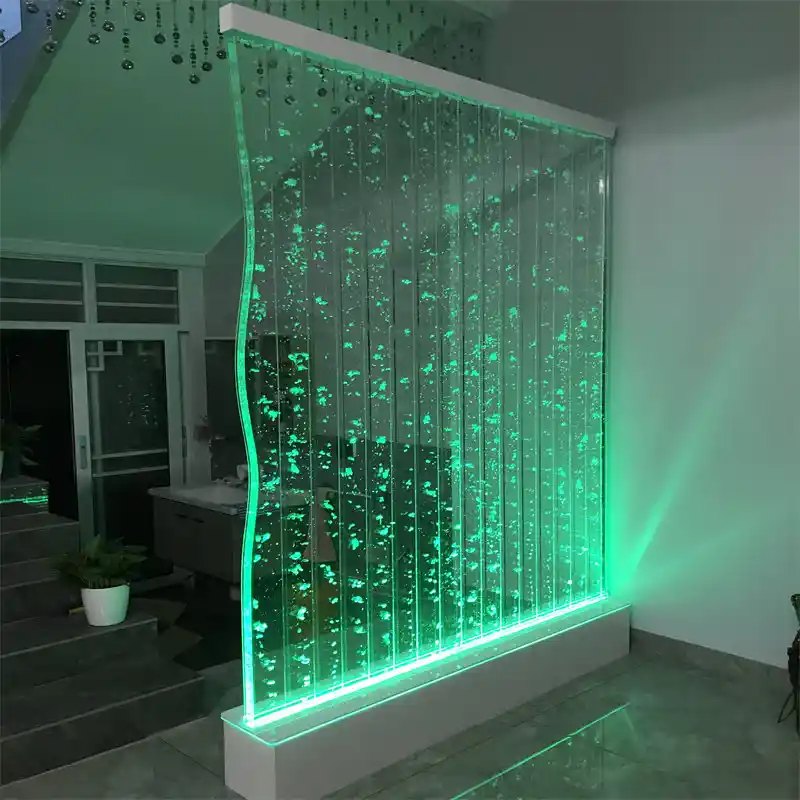
Backlit panels
Illustrative rendering; check the gap to the light source
Heat and stress together: why parts craze
Heat lowers the stress acrylic can carry. A part that was fine at room temperature can develop fine cracks (crazing) once it warms up if it carries stress from machining, a tight fixing or a solvent-bonded joint. Three habits prevent most of it:
- Anneal machined and bonded parts that will run warm. Annealing relieves the stress left by cutting and machining. See annealing acrylic after machining.
- Leave room for movement. Acrylic expands about ten times more than steel (typical coefficient 7 × 10⁻⁵ per °C). Slot the holes and leave a gap in frames.
- Keep solvents and cleaners off warm parts. Heat and solvent together craze acrylic fastest.
When acrylic is the wrong material
If the part must run continuously above about 80 °C, or meet a fire classification that acrylic cannot meet, use a different material. Polycarbonate tolerates more heat and impact, glass more heat still. AcrylicFabWorks, the acrylic division of SinoPlastix, machines acrylic only. We will tell you at the quoting stage if your part needs another material. Send the drawing with the hottest temperature the part will see and where the heat comes from.
FAQ
Can acrylic sheet withstand heat?
Up to about 80 °C in continuous use for typical cast acrylic. It softens around 100–110 °C and is formed at about 150–180 °C. Check the data sheet for the exact grade.
What temperature does acrylic melt at?
Acrylic does not melt sharply like ice. It softens gradually from about 100–110 °C, becomes formable at about 150–180 °C and decomposes above about 400 °C.
Can acrylic be used near a light or heater?
Yes, if the surface of the panel stays below about 80 °C. Measure the panel temperature at the hottest point, allow ventilation, and keep radiant heaters and halogen lamps at a distance.
Can acrylic go in the dishwasher?
Hot-wash cycles can warp or craze it. Hand-wash acrylic with lukewarm water and mild soap.
Will your part run warm?
Send the drawing and the hottest temperature it will see. We reply within 12 hours.
Or email [email protected]