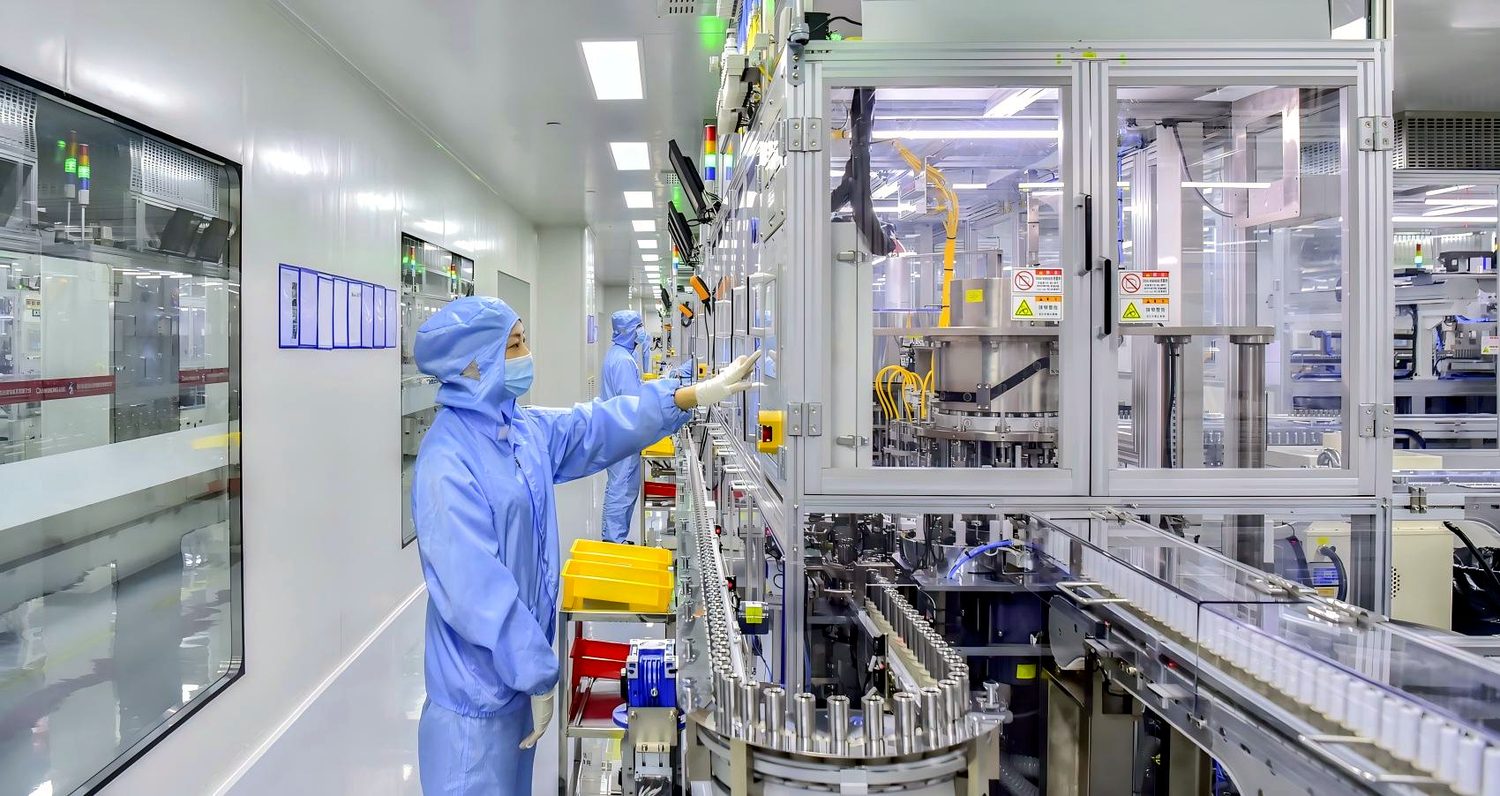
Clear acrylic viewing windows on an EV battery production line
Clear acrylic viewing windows on an EV battery production line

This page answers whether a custom acrylic sight-glass supplier can machine clear PMMA windows for flow and level observation, and what tolerance and finish to expect.
Reply within 12 hours · free DFM feedback
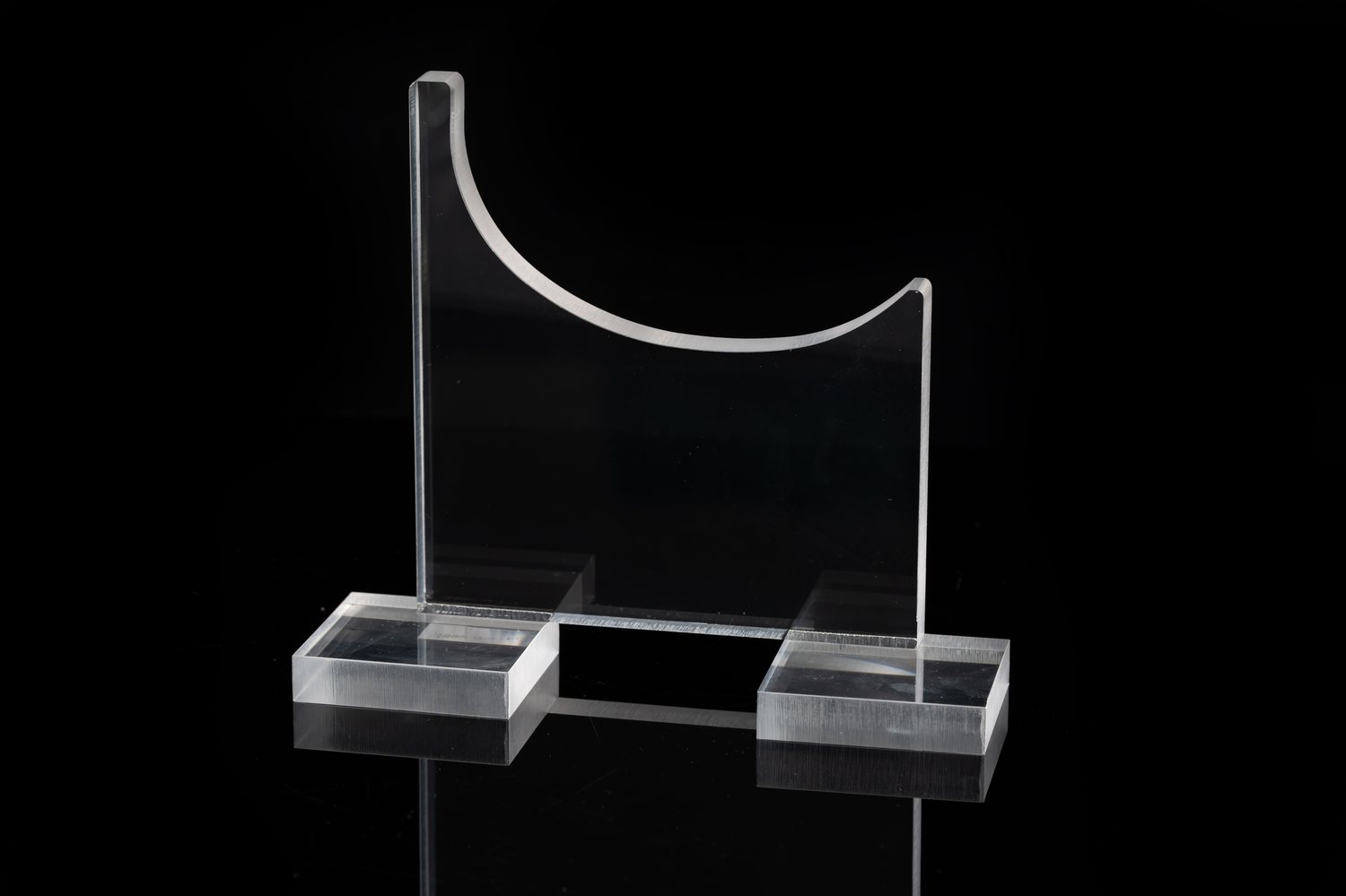
Machined PMMA windows are not pressure-rated components; pressure and safety limits are validated by the buyer’s engineer.
Company-declared
Acrylic sight glasses are machined clear PMMA discs, strips and level-gauge windows with polished faces, drilled holes and bonded frames, produced from cast sheet or block to the drawing.
Cast acrylic recommended for machining-heavy parts, extruded for flat sheet: sight-glass blanks are machined from cast for cleaner edges and better optical faces.
Clear acrylic viewing windows on an EV battery production line
Fabricated acrylic thickness range 3–100 mm covers sight-glass blanks; typical windows run 6–20 mm depending on diameter and mounting, confirmed per drawing.
Sight-glass blanks use General tolerances per GB/T 1804-2000 / ISO 2768 varying with size span; Machined features to ±0.1 mm (holes and machined features) cover hole patterns, and Critical dimensions on the 5-axis CNC to ±0.05 mm are verified at first article per drawing.

Clear acrylic viewing windows on semiconductor packaging equipment
Window faces follow Appearance described as clear / glass-clear / optically clear against the approved master sample, with scratches judged under agreed viewing conditions.
Machined parts annealed with the cast-acrylic industry–standard schedule, and sight-glass faces are stress-relieved this way after machining; temperature and soak time are confirmed per grade and kept confidential until the quote stage. Annealing lowers but never eliminates crazing risk from gasket compression, solvent contact or thermal cycling.
Typical sight-glass quantities follow Engineering review and quote within 12 hours on working days; Sample in 48 hours, production runs in 7 days.
Drawings accepted as STEP/DWG/DXF/PDF/sketches, and the production drawing is drafted from a sketch if no CAD file exists.
Bonded joints described as near-invisible seams apply where a sight-glass frame is bonded to the machined blank.
Calypto cast acrylic sheet, cast in our own Suzhou facility, is the sourcing statement behind our clear sight-glass grades; Mitsubishi or Lucite optical-grade PMMA is supplied when the order specifies a branded material.
| Choose this when | Do not choose this when | Option | Claim IDs |
|---|---|---|---|
| The window is machined with holes and polished faces | The window is a simple flat cut disc | Cast acrylic, CNC-machined | AF-C15 |
| The application touches oils, solvents or aggressive chemicals | The fluid is water or mild media | Grade and finishing route confirmed before quoting | |
| Optical clarity is critical | The window is behind another guard | Clear cast grade with polished A face | AF-C16 |
| The window sits in a pressurized system | The window is atmospheric only | Engineered material validation by the buyer; PMMA alone is not pressure-rated |
| Property | Value | Unit | Product grade | Thickness specimen | Test method / standard | Evidence status | Qualification | Claim IDs |
|---|---|---|---|---|---|---|---|---|
| Blank thickness | 3–100 mm capability; 6–20 mm typical | mm | Cast acrylic | Per window | Per drawing | company-declared | Confirmed per diameter and mounting | AF-C05 |
| Machined tolerance | ±0.1 mm holes and features; ±0.05 mm drawing-flagged critical | mm | Fabricated windows | Per order | GB/T 1804-2000 / ISO 2768 plus first-article | company-declared | Per drawing, never a whole-part band | AF-C01, AF-C02, AF-C03 |
| Drawing formats | STEP, IGES, DWG, DXF, PDF or dimensioned sketch | n/a | Fabricated windows | Per order | Drawing review | company-declared | Manufacturing drawing drafted from sketches | AF-C14 |
| Face finish | Polished A face; B face per drawing | n/a | Fabricated windows | Per order | Appearance acceptance standard | company-declared | Judged against the master sample | AF-C16 |
| Bonding | Frames and gaskets bonded or fitted per drawing | n/a | Bonded assemblies | Per order | Seam per master sample | company-declared | Near-invisible seams on polished edges | AF-C17 |
| Lead time | Quote 12 h, sample 48 h, production 7 days | hours / days | Typical sight-glass quantities | Per order | Working hours Mon–Sat 09:00–18:00 GMT+8 | company-declared | Volume orders evaluated separately | AF-C09, AF-C13 |
Yes: blanks are CNC-machined from cast acrylic with polished faces and drilled holes, and General tolerances per GB/T 1804-2000 / ISO 2768 vary with size span.
Typical windows run 6–20 mm inside the fabricated acrylic thickness range 3–100 mm, confirmed per diameter and mounting at quoting.
No: machined PMMA windows are not pressure-rated components; pressure and safety limits are validated by the buyer’s engineer for the specific system.
Cast acrylic recommended for machining-heavy parts: sight-glass blanks are machined from cast for cleaner edges and better optical faces.
Faces are polished and Appearance described as clear / glass-clear / optically clear is judged against the approved master sample per the appearance acceptance standard.
Sight-glass blanks are machined from cast sheet or block for cleaner edges and better optical faces. Typical windows run 6-20 mm depending on diameter and mounting, inside the fabricated thickness range 3-100 mm, with faces polished and holes drilled to the drawing.
No. Machined PMMA windows are not pressure-rated components; pressure, temperature and safety limits are validated by the buyer’s engineer for the specific vessel or system. Chemical resistance is grade- and surface-specific, and oils, solvents and aggressive media are reviewed before quoting.
Sight-glass blanks use general tolerances per GB/T 1804-2000 / ISO 2768 varying with size span; ±0.1 mm covers hole patterns, and ±0.05 mm applies only to drawing-called critical dimensions verified at first article. Face finish follows the approved master sample with A and B faces named.
Send your drawing — an engineer replies within 12 hours.