
Short answer: Choose a diffuser material by balancing transmission, haze, color stability, impact, heat, forming and fabrication—not by haze alone. Acrylic often suits high-clarity architectural and display work; polycarbonate may be chosen for tougher impact conditions; specialty films or profiles can solve shallow optical stacks. Test the actual LED, spacing and cavity.
The fastest route to a reliable specification is to begin with service conditions and acceptance evidence, then work backward to material, geometry and process choices. AcrylicFabWorks has fabricated custom PMMA components since 2014 in an ISO 9001-certified, 15,000 m² facility. Our documented equipment includes eight 3-axis CNC machining centers and one 5-axis center. These firsthand manufacturing observations inform the notes below, but quoted material grade, drawing revision and project-specific test evidence remain controlling.
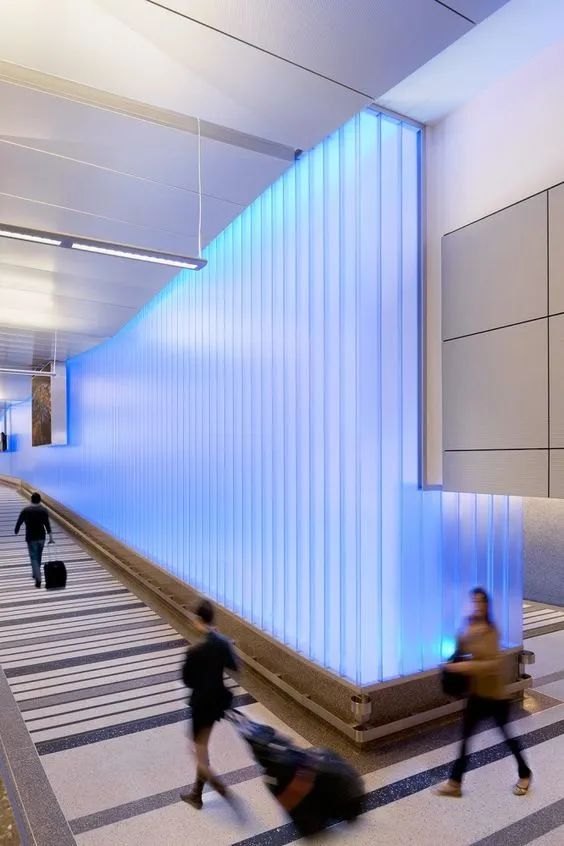
Light diffuser materials: acrylic, PC, PETG
A useful review of light diffuser material starts with the part’s function, material grade, thickness, dimensions, environment, load, expected access, cosmetic faces and inspection method. Where a safety function, chemical exposure or regulated installation is involved, assign an engineer or qualified compliance professional to approve the requirement.
This guide stays within one practical decision: material-level choice for LED diffusion. Manufacturing capacity, pricing and lead-time questions are covered on the linked capability or product page. Keeping the engineering question separate helps the reader reach a decision without mixing it with purchasing details.
| Situation | Best-fit use or concern | What to verify |
|---|---|---|
| Diffusing acrylic | Architectural panels and signs | Optics, surface quality and fabrication |
| Diffusing polycarbonate | Higher impact need | Optical trade-off, heat and coating |
| Diffuser film | Thin optical stack | Handling, attachment and hot spots |
| Textured/profile lens | Directional control | Tooling, orientation and visual pattern |
Haze, transmission and uniformity
Use the following sequence during design review. It prevents a cosmetic preference from overriding a functional requirement and gives the supplier a testable acceptance condition. For custom work, AcrylicFabWorks follows GB/T 1804-2000 / ISO 2768-1 for unspecified general tolerances; actual tolerances still depend on the feature size, geometry, material condition and drawing review.
- Define luminance uniformity, transmission and viewing-distance targets.
- Record impact, heat, fire-test and outdoor requirements separately.
- Shortlist documented grades rather than generic frosted sheet.
- Build a full optical stack with production LEDs, cavity and reflective surfaces.
- Approve both lit and unlit appearance under realistic viewing conditions.
Do not release production from an illustrative table alone. A sample or first article should reproduce the real resin, thickness, feature geometry, support, process sequence and inspection lighting. If the part will be bonded, cleaned, loaded, heated or installed outdoors, include that downstream exposure in the validation plan. For production orders, our MOQ is 20 pieces per design and specification; samples and one-off prototypes are quoted separately.
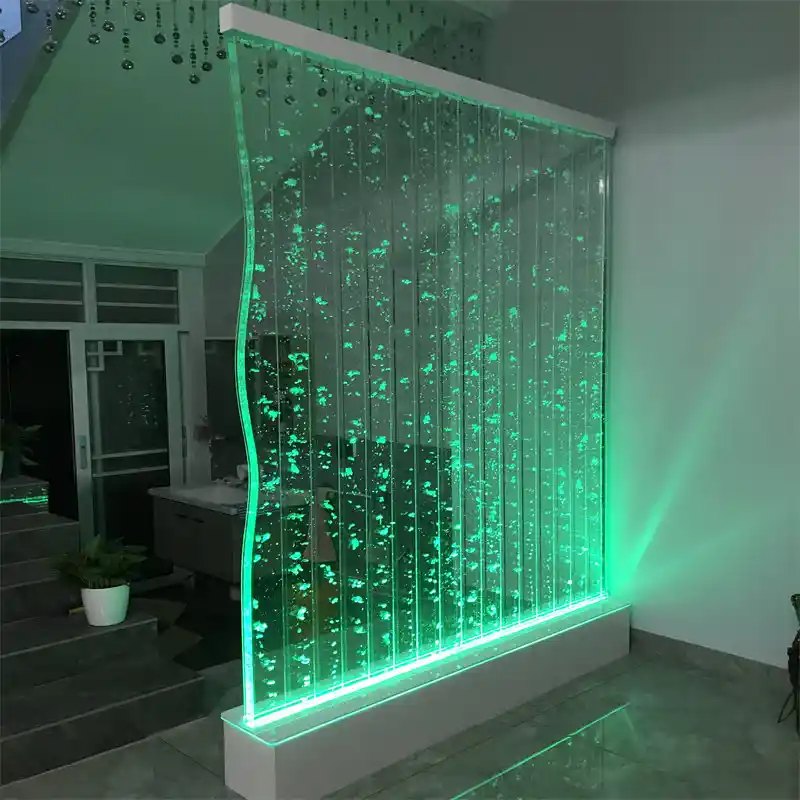
What our factory reviews before quoting
Diffuser review starts with the optical requirement: target transmission (diffused 60–90%, depending on haze level), uniformity across the lit area (LED spacing and cavity depth), and colour rendering. Cast acrylic with a diffusing surface or white-opal grade gives consistent haze; polycarbonate is chosen where heat or impact matters; PETG for formed diffusers. We confirm the haze percentage (10–80% by application), thickness, and LED-to-diffuser distance to avoid hot spots, and quote the sheet or the finished diffuser assembly.
What changes when LEDs run hot
For this guide on light diffuser materials for LED, the failures that matter most in production and service are:
- Check: Selecting the cloudiest sample and sacrificing too much output.
- Check: Testing a small coupon that misses LED pitch variation.
- Check: Ignoring the unlit daytime appearance of an architectural panel.
- Check: Changing LED bin or reflective liner after diffuser approval.
How to verify the result
Agree on inspection before production. State the instrument or visual setup, sample conditioning, viewing distance, lighting, measurement locations and acceptance rule. Save the approved sample and process record with the drawing revision. If a result changes, compare resin lot, tool or adhesive lot, machine setup, environment and test method before changing the specification. This evidence trail is more useful than an unsupported performance claim and makes later supplier or customer reviews much faster.
Related engineering and purchasing resources
- Custom light diffuser panels
- How to request a fabrication quote
- ISO 9001 quality-control process
- Acrylic fabrication FAQ
Primary references
- CIE definition of a diffuser. Confirm the current edition, scope and applicability for the project.
- CIE technical work on transmittance and haze measurement. Confirm the current edition, scope and applicability for the project.
Related engineering guides
Review your drawing with an acrylic fabricator
If the decision in this guide affects a production part, send the drawing, application conditions and acceptance criteria. See our custom light diffuser panels page, then request a manufacturability review. Typical samples can be produced in 48 hours and production in 7 days after drawing approval when the project scope supports that schedule.
Frequently asked questions
Q: What material is best for LED diffusion? A: There is no universal best; acrylic, polycarbonate, film and optical profiles suit different optical and mechanical constraints.
Q: Is frosted acrylic a diffuser? A: It scatters light, but a controlled diffuser grade usually gives more predictable transmission and haze data.
Q: Should material be tested with the real LEDs? A: Yes. LED pitch, beam, cavity depth and internal reflections strongly affect uniformity.
Editorial boundary: This article provides manufacturing and specification guidance. Safety, code, electrical, fire and regulatory decisions remain with the responsible project professionals and relevant authorities.