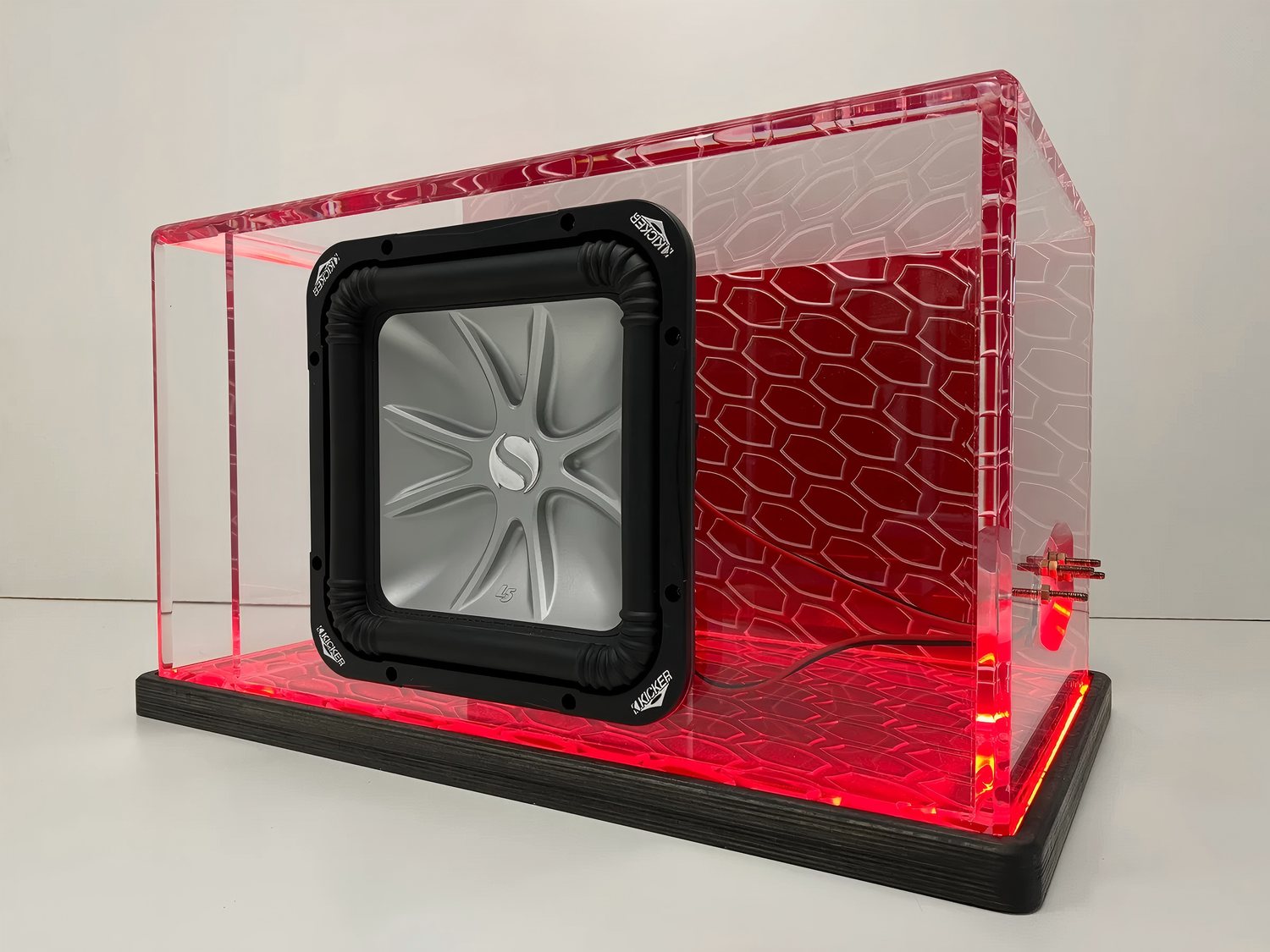
3D-printer enclosure
Bonded 8 mm clear · hinged door

Transparent protective housings CNC-machined, bent and solvent-bonded to your drawing — dust covers, automation housings and viewing windows that keep the process fully visible.
Reply within 12 hours · free DFM feedback

Acrylic equipment enclosures are transparent protective housings fabricated from 3–25 mm PMMA sheet by CNC machining, bending and solvent bonding. They shield machinery from dust and contact while keeping the process visible. Optical transmission and the cost comparison with polycarbonate or glass depend on the selected grade, thickness, coating, geometry and quantity; confirm the optical value against the supplier data sheet used for the quotation.
What we build
Bonded 8 mm clear · hinged door

Machined cutouts · PCB access
Framed clear panels · fan port
| Sheet thickness | 3–25 mm (thicker on request) |
| Max single-piece size | 3000 × 2000 mm |
| Machining tolerance | Confirmed by feature size and drawing review; critical dimensions are identified before quotation |
| Joining | Solvent welding (near-invisible seams), UV bonding, mechanical fasteners |
| Openings | CNC ventilation slots, cable ports, filter cutouts, threaded inserts |
| Edge finish | Flame or diamond polished |
| Hardware | Hinges, locks, handles, gaskets fitted in-factory |
Why acrylic for equipment enclosures
| Property | Acrylic (PMMA) | Polycarbonate | Glass |
|---|---|---|---|
| Light transmission | Grade-specific; verify data sheet | Grade/coating-specific | Glass-type-specific |
| Scratch resistance | Good | Poor (uncoated) | Excellent |
| Impact resistance | Moderate | Very high | Low |
| Solvent-bonded seams | Near-invisible | Difficult | Not possible |
| Relative cost | Compare the specified grade, thickness, fabrication, hardware and quantity | ||
Our engineers advise material per application at the quoting stage — including when the honest answer is polycarbonate for a strike zone. See machine guards.
For benchtop covers under 600 mm, 4–5 mm is typical; machine hoods up to 1.5 m generally use 6–10 mm; large floor-standing enclosures use 10–15 mm with bonded stiffeners. We confirm thickness against your dimensions and load at quoting.
Yes. CNC slot or hole patterns keep at least 2× the material thickness between openings, preserving stiffness. Filter and fan cutouts are machined to your hardware’s dimensions. Pairing the enclosure with a machined fascia? See custom acrylic control panels.
Solvent-welded acrylic seams are near-invisible when edges are machined square and polished first — an advantage acrylic holds over polycarbonate, which cannot be solvent welded cleanly.
Yes. We can quote a specified ESD grade or surface-treated PMMA for electronics environments. The resistance range and optical properties are verified against the selected material data sheet and the project inspection requirement.
Small and mid-size enclosures ship fully bonded in custom crates. Very large enclosures can be designed as flat-pack panels with mechanical joints for on-site assembly, cutting freight cost significantly.
Benchtop covers under 600 mm typically use 4–5 mm, machine hoods up to 1.5 m use 6–10 mm, and floor-standing enclosures use thicker panels with bonded stiffeners; we confirm thickness against your dimensions and load at quoting.
CNC slot or hole patterns keep at least 2× the material thickness between openings to preserve stiffness, and filter or fan cutouts are machined to your hardware dimensions.
Enclosure cutouts and holes follow General tolerances per GB/T 1804-2000 / ISO 2768 by size span at ±0.1 mm, and drawing-flagged critical dimensions are confirmed at ±0.05 mm by first-article inspection against the drawing.
Typical covers under 600 mm run 4-5 mm, machine hoods up to 1.5 m run 6-10 mm, and floor-standing enclosures use thicker panels with bonded stiffeners, all inside the fabricated thickness range 3-100 mm. The right thickness depends on panel size and loads, confirmed against the drawing.
No. Transparent enclosures are not safety-rated guarding without engineering validation; fabrication covers machined, bent and bonded housings with cutouts, hinges and gaskets. Safety-rated applications must be validated against the applicable end-use standard by the buyer’s responsible engineer, and the quote states what the enclosure is intended for.
Bonded seams are inspected for visible joint lines, bubbles and step against the agreed master sample; near-invisible seams are achievable on polished edges depending on geometry and bond type. Edges are polished per the drawing, and A and B faces are named before production.
Machined, bonded and polished in our own plastic & acrylic fabrication plant. Related: machine guards, boxes & display cases, industrial components.
Send an enclosure drawing and receive free DFM feedback within 12 hours.
Technical details
Clear acrylic enclosure protecting electronics and PCB assembly

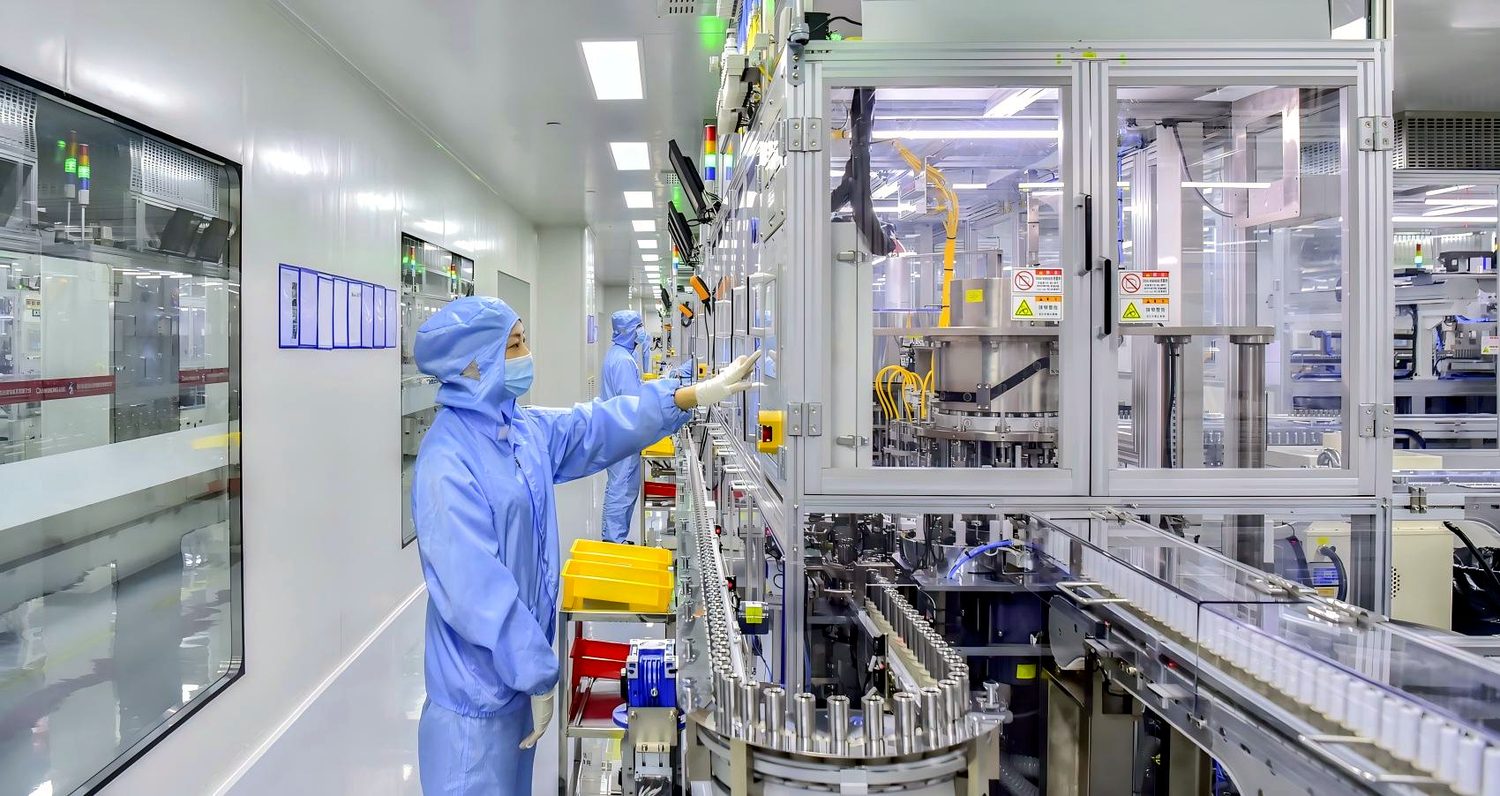
Assembly facility producing acrylic equipment enclosures
Calypto cast acrylic sheet, cast in our own Suzhou facility, is our sourcing statement for the clear grades used on housings and windows; Mitsubishi or Lucite optical-grade PMMA is supplied when the order specifies a branded material.
Technical details
Quote response lands within 12 working hours, with Sample in 48 hours, production runs in 7 days for typical enclosures; ventilation slots and hardware are fitted before packing.
Technical details
Company-declared
Cast acrylic recommended for machining-heavy parts, extruded for flat sheet: enclosure bodies with many cutouts are quoted in cast, while simple flat covers can run in extruded sheet.
Fabricated acrylic thickness range 3–100 mm sets the envelope; typical covers under 600 mm run 4–5 mm, machine hoods up to 1.5 m run 6–10 mm, and floor-standing enclosures use thicker panels with bonded stiffeners.
For enclosure panels, General tolerances per GB/T 1804-2000 / ISO 2768 vary with size span; Machined features to ±0.1 mm (holes and machined features) cover cutouts, cable ports and inserts, and Critical dimensions on the 5-axis CNC to ±0.05 mm are verified per drawing at first article.
Panel finish follows the acceptance standard: Appearance described as clear / glass-clear / optically clear against the master sample, with polished edges and near-invisible seams on bonded joints.
Machined parts annealed with the cast-acrylic industry–standard schedule; enclosure bodies and doors are stress-relieved with this cycle after machining before bonding, and temperature and soak parameters are confirmed per grade, not published. Annealing reduces but does not eliminate crazing risk under solvent, fastener or thermal-cycling exposure.
Large-format panels up to 3000 × 2000 mm cover the biggest enclosure bodies and viewing windows.
Engineering review and quote within 12 hours is the site-wide response commitment, quoted on working days.
Bonded joints described as near-invisible seams are standard on polished enclosure edges.
Machine guards and observation windows application is a separate scope from enclosures and follows the machine-guards page.
Standard acrylic sheet stock range 1–30 mm covers most flat enclosure panels, with thicker spans from fabricated stock.
| Choose this when | Do not choose this when | Option | Claim IDs |
|---|---|---|---|
| The enclosure needs many machined cutouts and tight seams | The cover is a simple flat sheet | Cast acrylic, machined and solvent-bonded | AF-C15 |
| The cover is flat, large and appearance-light | The cover carries threaded inserts or complex cutouts | Extruded acrylic sheet | AF-C15 |
| The panel spans under 600 mm | The panel spans over 1.5 m | 4–5 mm typical | AF-C05 |
| The hood spans up to 1.5 m | The enclosure is floor-standing | 6–10 mm with stiffeners as needed | AF-C05 |
| Electronics production needs static control | ESD is not specified | ESD grade confirmed against the material data sheet |
| Property | Value | Unit | Product grade | Thickness specimen | Test method / standard | Evidence status | Qualification | Claim IDs |
|---|---|---|---|---|---|---|---|---|
| Sheet thickness | 3–100 mm envelope; 4–15 mm typical for enclosures | mm | Cast and extruded acrylic | Per panel | Per drawing | company-declared | Confirmed per panel size and load | AF-C05 |
| Max single-piece size | 3000 × 2000 | mm | Cast acrylic sheet | Sheet dependent | Per order | company-declared | Flatness and transport limits per order | AF-C04 |
| Machining tolerance | ±0.1 mm cutouts and holes; ±0.05 mm drawing-flagged critical | mm | Fabricated panels | Per order | GB/T 1804-2000 / ISO 2768 plus first-article | company-declared | Per drawing; never a whole-part band | AF-C01, AF-C02, AF-C03 |
| Joining | Solvent welding, UV bonding, mechanical fasteners | n/a | Bonded assemblies | Per order | Seam checked against master sample | company-declared | Near-invisible seams on polished edges | AF-C17 |
| Openings | CNC ventilation slots, cable ports, filter cutouts, threaded inserts | n/a | Fabricated panels | Per order | Per drawing | company-declared | At least 2× material thickness kept between openings | |
| Edge finish | Flame or diamond polished | n/a | Fabricated panels | Per order | Appearance acceptance standard | company-declared | A/B faces per master sample | AF-C16 |
| Lead time | Quote 12 h, sample 48 h, production 7 days | hours / days | Typical enclosures | Per order | Working hours Mon–Sat 09:00–18:00 GMT+8 | company-declared | Large or volume orders evaluated separately | AF-C09, AF-C13 |
Send the overall dimensions, panel thickness or load condition, access doors and removable panels, cable and ventilation ports, ESD or sealing requirement, mounting and hardware details, shipment format, quantity and destination. Include the drawing revision and any inspection plan or material documentation required with the order.
We review the enclosure geometry, material grade, joining method, hardware and assembly sequence before quotation. Machined features and critical dimensions are confirmed by size range on the approved drawing. Small and mid-size housings can ship assembled; larger housings can be reviewed as mechanically joined panels where that better suits freight and site access.