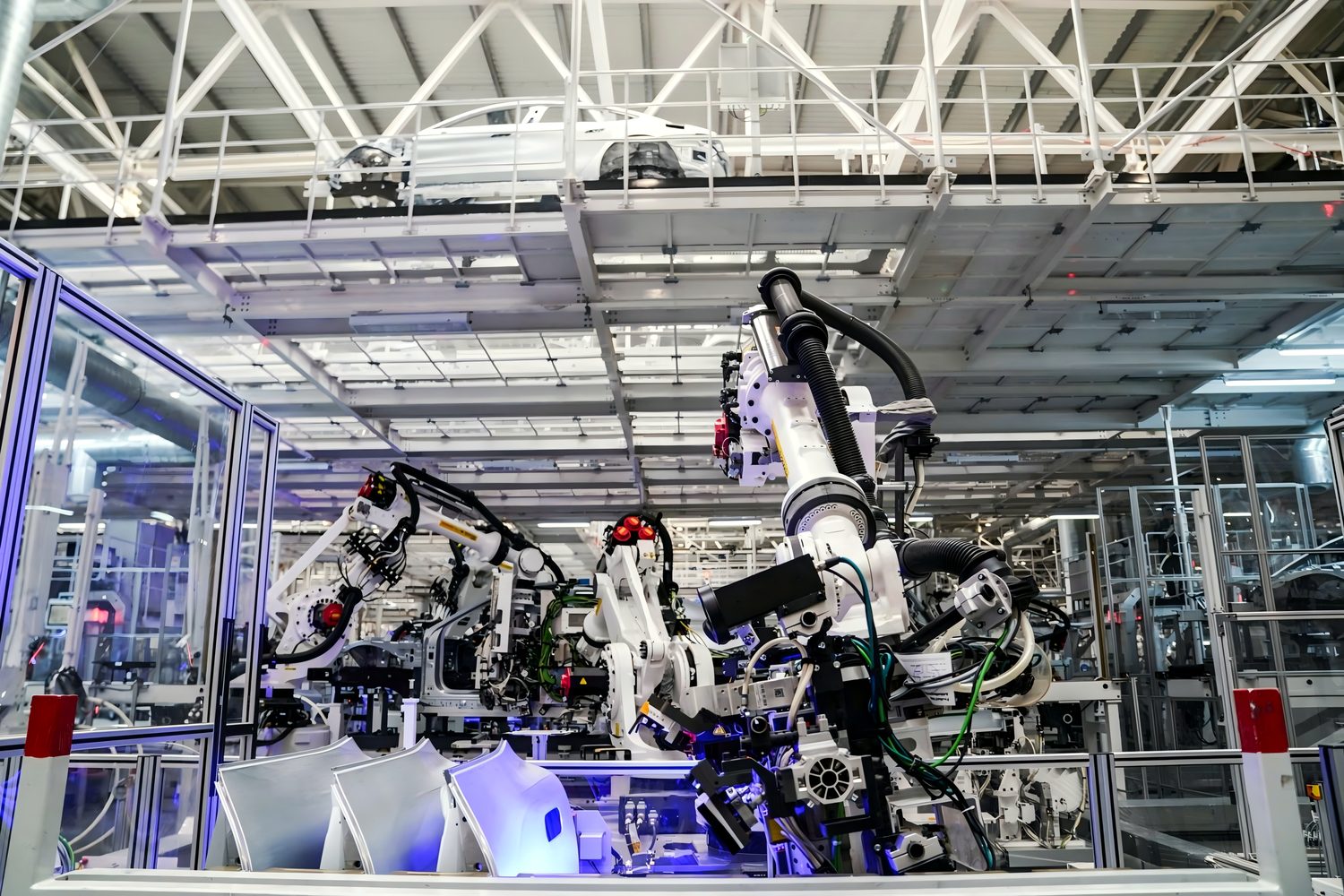
Acrylic guarding panels around a robotic work cell
Acrylic guarding panels around a robotic work cell

This page answers whether an acrylic fabricator can supply the covers, guards, camera shrouds and cable guides a robotics project needs, and what precision to expect.
Reply within 12 hours · free DFM feedback
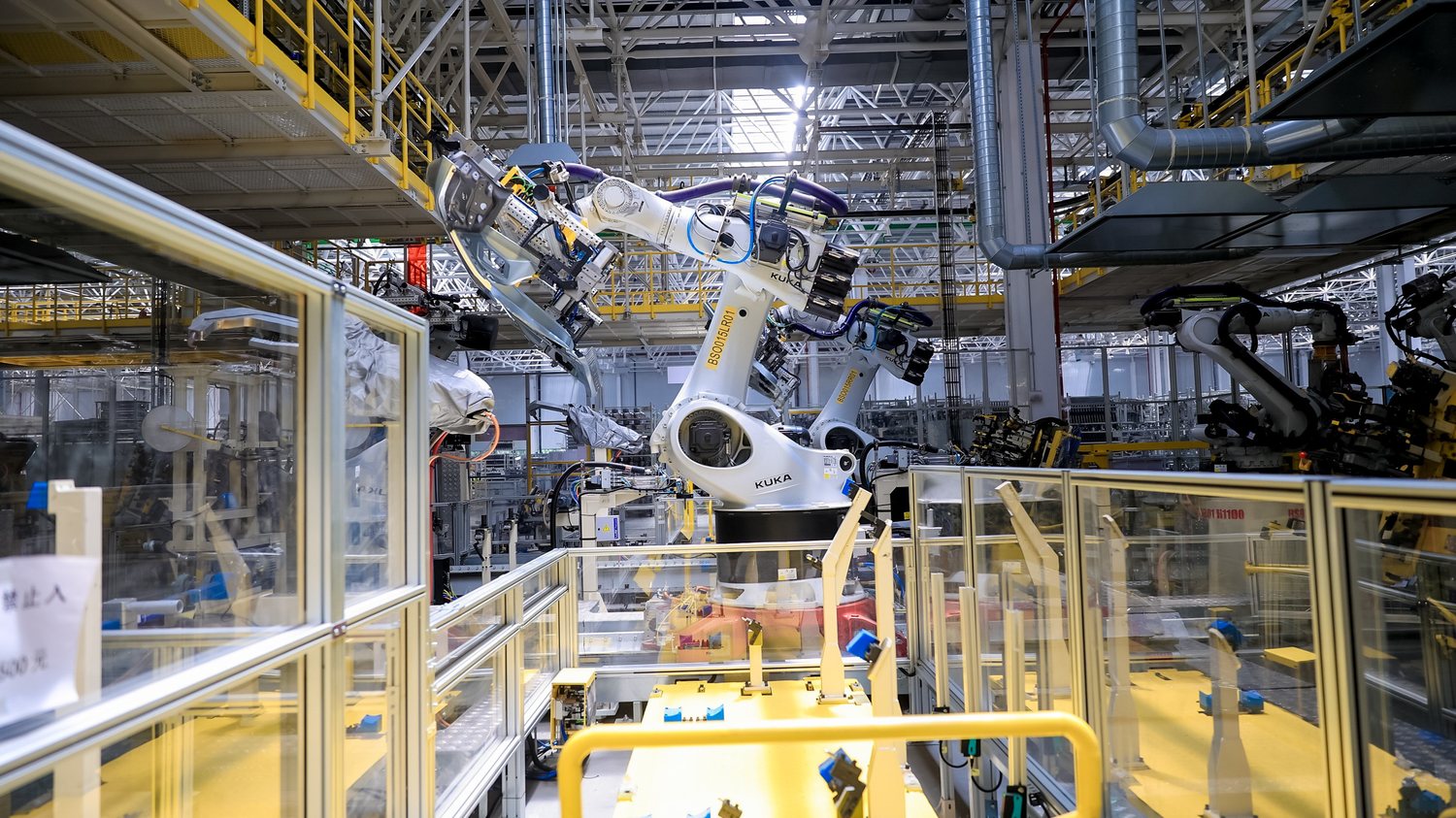
Robot cell and system safety validation stays with the integrator; parts are not safety-certified components.
Company-declared
Robotics and automation acrylic parts cover robot cell covers, camera shrouds, sensor windows, cable guides, lightweight panels and status-light housings, CNC-machined and finished to the drawing.
Cast acrylic recommended for machining-heavy parts, extruded for flat sheet: machined shrouds and covers with mounting features are quoted in cast, simple flat panels in extruded.
Acrylic guarding panels around a robotic work cell
Fabricated acrylic thickness range 3–100 mm sets the envelope; covers and shrouds typically run 3–8 mm and panels 4–10 mm, confirmed per part.
Robot cell parts follow General tolerances per GB/T 1804-2000 / ISO 2768 by size span; Machined features to ±0.1 mm (holes and machined features) cover mounting holes, and Critical dimensions on the 5-axis CNC to ±0.05 mm are confirmed per drawing plus first-article.
Optical parts follow Appearance described as clear / glass-clear / optically clear against the approved master sample where clarity matters, with A and B faces named on the drawing.
Machined parts annealed with the cast-acrylic industry–standard schedule, and robot covers and sensor mounts are stress-relieved with this cycle after CNC machining; the profile depends on grade and is disclosed only at quoting. Annealing reduces but does not eliminate crazing near screw mounts, cable ties or vibration fixtures.
Robotics and automation batches get Engineering review and quote within 12 hours on working days, with Sample in 48 hours, production runs in 7 days for typical quantities.
Bonded joints described as near-invisible seams are achievable on the polished edges of shrouds, covers and housings.
Machine guards and observation windows application includes robot cell covers, while system safety certification stays with the integrator.
Calypto cast acrylic sheet, cast in our own Suzhou facility, is our sourcing statement for the clear grades used in cell covers and windows; Mitsubishi or Lucite optical-grade PMMA is supplied when the order specifies a branded material.
| Choose this when | Do not choose this when | Option | Claim IDs |
|---|---|---|---|
| The part has mounting holes, slots and complex features | The part is a flat cover sheet | Cast acrylic, CNC-machined | AF-C15 |
| The part is a large flat panel | The part needs tight machined features | Extruded acrylic sheet | AF-C15 |
| Electronics nearby need static control | ESD is not specified | ESD grade confirmed against the data sheet | |
| The part guards an operator from moving equipment | The part only shields dust | Guard panel with safety boundary reviewed by the integrator | AF-C18 |
| Property | Value | Unit | Product grade | Thickness specimen | Test method / standard | Evidence status | Qualification | Claim IDs |
|---|---|---|---|---|---|---|---|---|
| Thickness range | 3–100 mm capability; 3–10 mm typical for covers | mm | Cast and extruded acrylic | Per part | Per drawing | company-declared | Confirmed per part size and mounting | AF-C05 |
| Machined tolerance | ±0.1 mm holes and features; ±0.05 mm drawing-flagged critical | mm | Fabricated parts | Per order | GB/T 1804-2000 / ISO 2768 plus first-article | company-declared | Per drawing, never a whole-part band | AF-C01, AF-C02, AF-C03 |
| Appearance | A/B faces against approved master sample | n/a | Fabricated parts | Per order | Appearance acceptance standard | company-declared | Optical clarity confirmed per drawing | AF-C16 |
| Joining | Solvent bonding, UV bonding, mechanical fasteners | n/a | Bonded assemblies | Per order | Seam per master sample | company-declared | Near-invisible seams on polished edges | AF-C17 |
| Safety scope | Part fabrication only; system and arm safety by the integrator | n/a | Robot cell parts | n/a | Applicable safety standard | company-declared | Fabrication does not equal certification | AF-C18 |
| Lead time | Quote 12 h, sample 48 h, production 7 days | hours / days | Typical automation batches | Per order | Working hours Mon–Sat 09:00–18:00 GMT+8 | company-declared | Volume orders evaluated separately | AF-C09, AF-C13 |
Robot cell covers, camera shrouds, sensor windows, cable guides, lightweight panels and status-light housings, CNC-machined and finished to the drawing.
Mounting holes follow General tolerances per GB/T 1804-2000 / ISO 2768 by size span at ±0.1 mm typical, and drawing-flagged critical dimensions are confirmed at ±0.05 mm by first-article inspection.
Yes: a specified ESD grade can be quoted for electronics environments, with resistance verified against the selected material data sheet and the project inspection requirement.
No: part fabrication does not equal system certification; robot cell and arm safety validation stays with the integrator.
Cast acrylic recommended for machining-heavy parts: covers and shrouds with mounting features are machined from cast for cleaner edges and features.
Robotics and automation parts cover robot cell covers, camera shrouds, sensor windows, cable guides, lightweight panels and status-light housings, CNC-machined and finished to the drawing. Cast acrylic is recommended for machined shrouds and covers with mounting features; simple flat panels run in extruded.
Robot cell and system safety validation stays with the integrator; fabricated parts are not end-effector-rated or safety-certified components. We confirm mounting-hole positions and ESD requirements per drawing, and the assembled system is validated by the buyer’s engineer. The quote states what was assumed for your robot cell parts.
Robot cell parts follow general tolerances per GB/T 1804-2000 / ISO 2768 by size span; ±0.1 mm covers mounting holes and machined features, and ±0.05 mm applies only to drawing-called critical dimensions confirmed per drawing plus first-article. Optical parts follow the appearance acceptance basis per order.
Send your drawing — an engineer replies within 12 hours.