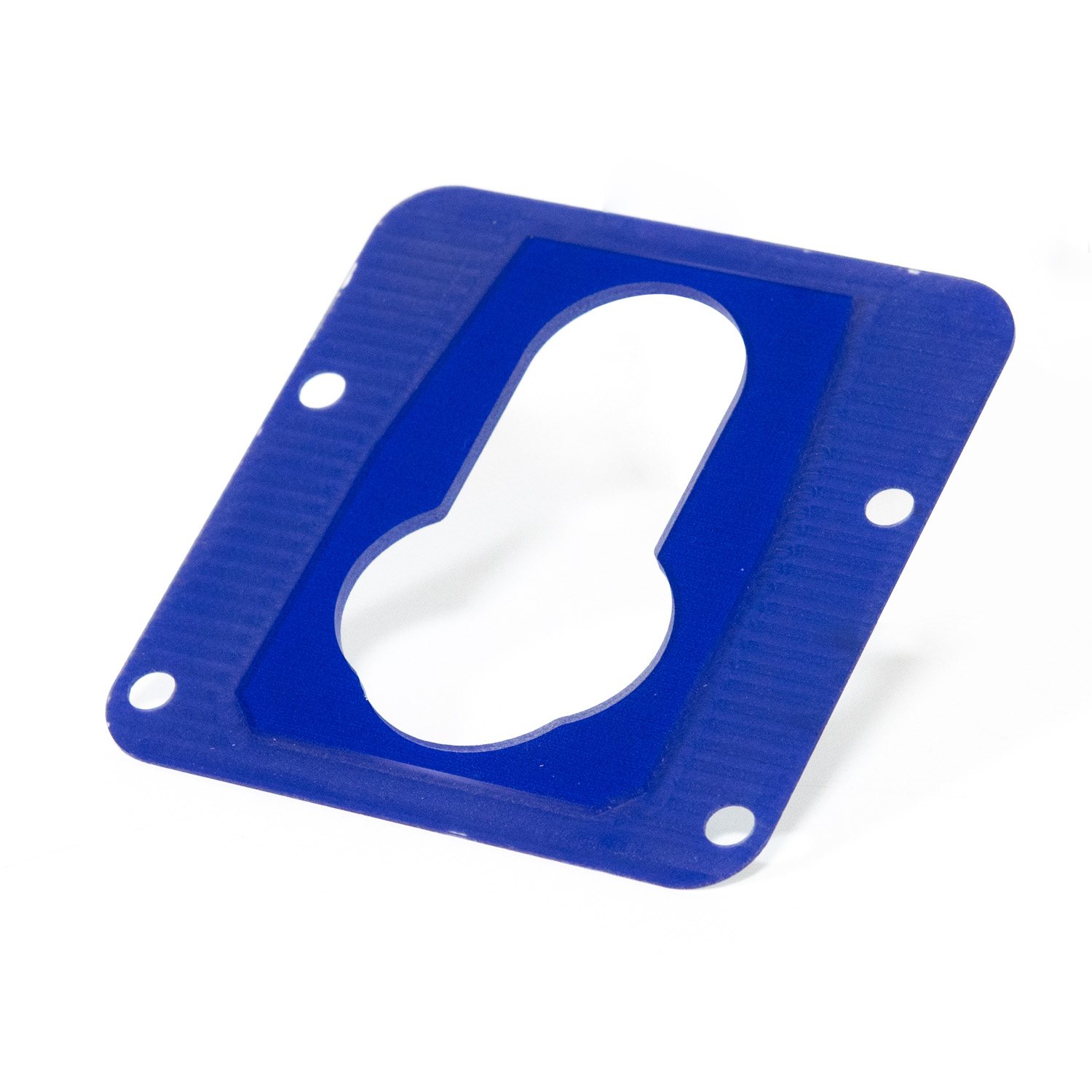
CNC-machined blue acrylic front panel with fastener holes
CNC-machined blue acrylic front panel with fastener holes

This page answers what a control-panel fascia supplier must confirm about material, cutouts, engraving, backlighting and ESD, and what tolerance and appearance to expect.
Reply within 12 hours · free DFM feedback
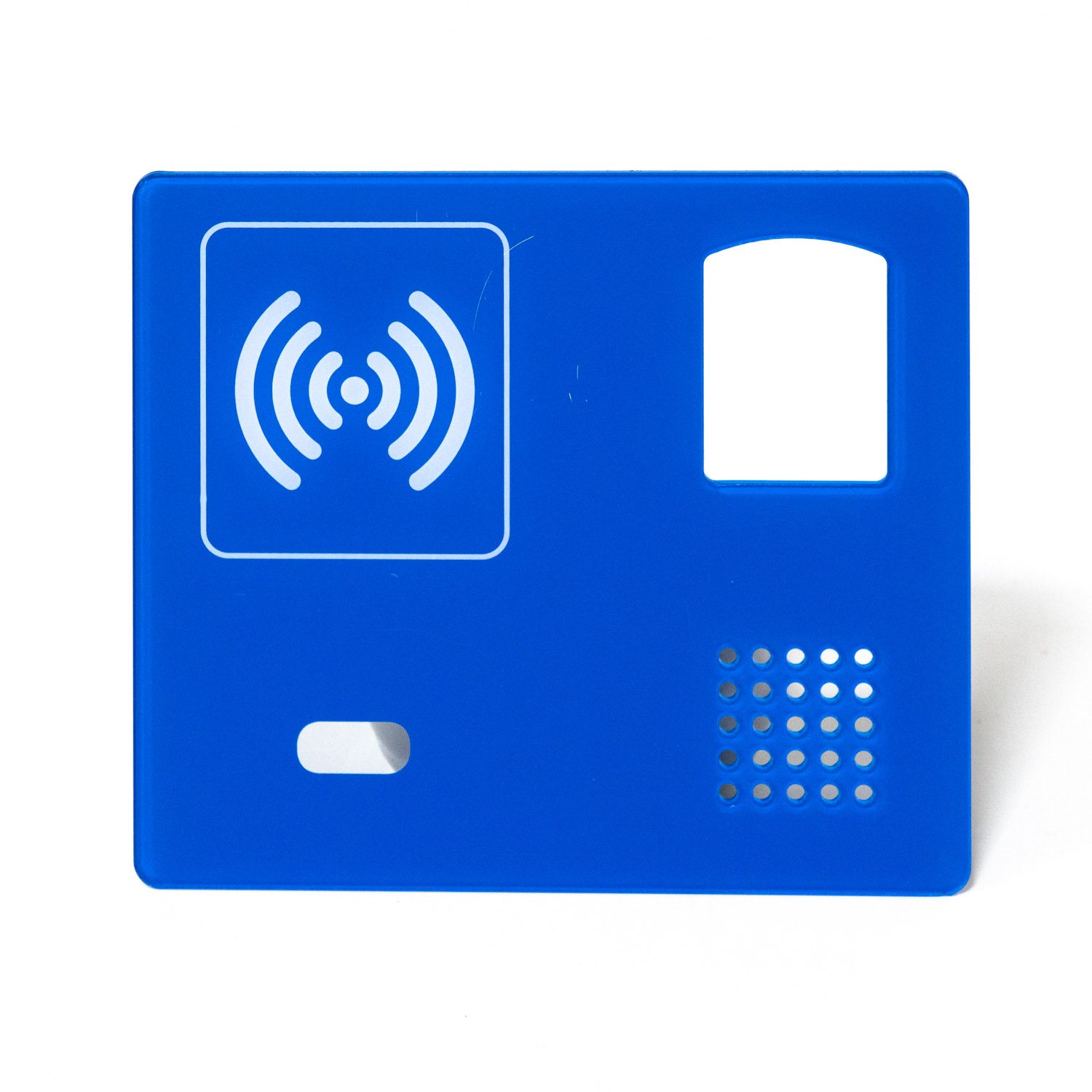
Cutouts and graphics are confirmed per drawing; backlight uniformity is evaluated per application, not guaranteed.
Company-declared
Acrylic control-panel fascias and overlays are CNC-machined from PMMA sheet with precision cutouts, engraved labels, clear windows and backlit graphics, edge-finished to the panel builder’s drawing.
Cast acrylic recommended for machining-heavy parts, extruded for flat sheet: fascias with many cutouts and engraving are quoted in cast, simple flat overlays in extruded.
CNC-machined blue acrylic front panel with fastener holes
Fabricated acrylic thickness range 3–100 mm sets the envelope; fascia panels typically run 3–8 mm and overlay films are quoted per application.
Fascia work follows General tolerances per GB/T 1804-2000 / ISO 2768 by size span; Machined features to ±0.1 mm (holes and machined features) apply to switch and indicator cutouts, and Critical dimensions on the 5-axis CNC to ±0.05 mm are confirmed per drawing plus first-article.
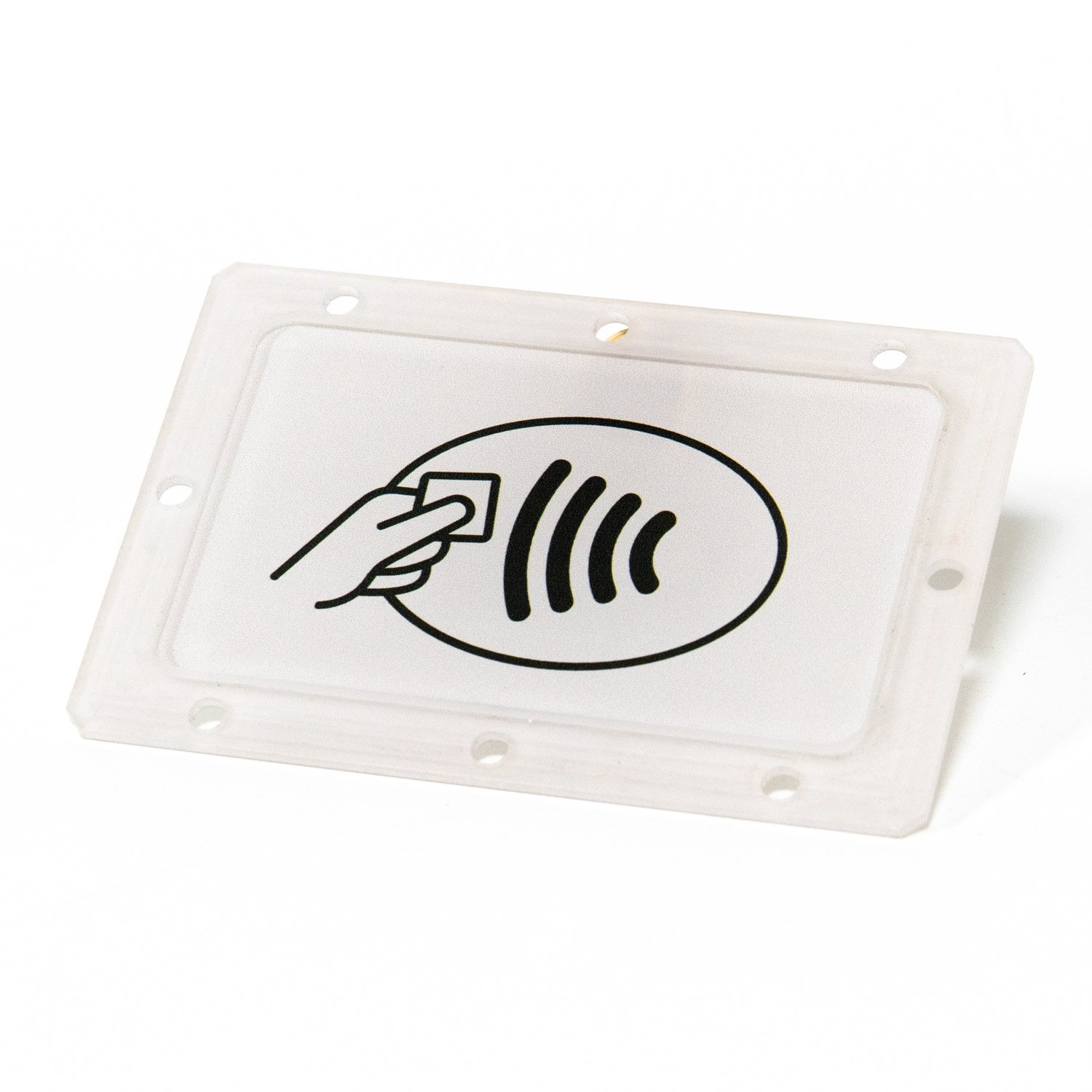
White acrylic NFC reader front panel with printed icons
Drawings accepted as STEP/DWG/DXF/PDF/sketches, and artwork is checked against the approved master sample so cutouts and graphics match.
The fascia A face follows Appearance described as clear / glass-clear / optically clear against the approved master sample, carrying the tightest scratch and haze criteria.
Machined parts annealed with the cast-acrylic industry–standard schedule, and fascia panels are stress-relieved with this cycle after machining before engraving and polishing; temperature and soak parameters are confirmed per grade, not published. Annealing reduces but does not eliminate crazing risk near screws, inserts or solvents.
Fascia batches follow Engineering review and quote within 12 hours on working days; Sample in 48 hours, production runs in 7 days for typical quantities.
Bonded joints described as near-invisible seams are achievable on polished edges where fascias are bonded to housings.
Calypto cast acrylic sheet, cast in our own Suzhou facility, is our clear-grade sourcing statement for fascia work; Mitsubishi or Lucite optical-grade PMMA is supplied when the order specifies a branded material.
| Choose this when | Do not choose this when | Option | Claim IDs |
|---|---|---|---|
| The fascia needs tight cutouts and inserts | The overlay is a simple flat film | Cast acrylic, CNC-machined | AF-C15 |
| Labels must survive cleaning and wear | Graphics are printed by the panel builder | Engraved and back-filled graphics | |
| Backlighting must be even | The fascia is not illuminated | Edge-lit or LED-spacing review per application | |
| Electronics need static control | ESD is not specified | ESD grade confirmed against the data sheet |
| Property | Value | Unit | Product grade | Thickness specimen | Test method / standard | Evidence status | Qualification | Claim IDs |
|---|---|---|---|---|---|---|---|---|
| Fascia thickness | 3–8 mm typical; 3–100 mm capability | mm | Cast and extruded acrylic | Per panel | Per drawing | company-declared | Confirmed per panel size | AF-C05 |
| Cutout tolerance | ±0.1 mm typical; ±0.05 mm drawing-flagged critical | mm | Fabricated fascias | Per order | GB/T 1804-2000 / ISO 2768 plus first-article | company-declared | Per drawing, never a whole-part band | AF-C01, AF-C02, AF-C03 |
| Drawing formats | STEP, IGES, DWG, DXF, PDF or dimensioned sketch | n/a | Fabricated fascias | Per order | Drawing review | company-declared | Manufacturing drawing drafted from sketches | AF-C14 |
| Graphics | Engraving, back-filling, printed overlays | n/a | Fabricated fascias | Per order | Per approved artwork | order-specific | Checked against the master sample | |
| Appearance | A-face tightest criteria; B face allows normal marks | n/a | Fabricated fascias | Per order | Appearance acceptance standard | company-declared | Judged against the master sample | AF-C16 |
| Lead time | Quote 12 h, sample 48 h, production 7 days | hours / days | Typical fascia batches | Per order | Working hours Mon–Sat 09:00–18:00 GMT+8 | company-declared | Volume orders evaluated separately | AF-C09, AF-C13 |
Fascia cutouts follow General tolerances per GB/T 1804-2000 / ISO 2768 by size span; switch and display openings run ±0.1 mm, and drawing-flagged critical dimensions are confirmed at ±0.05 mm by first-article inspection.
Yes: labels are engraved and back-filled, and graphics are checked against the approved master sample before production.
Yes: a specified ESD grade can be quoted, with resistance verified against the selected material data sheet and the project inspection requirement.
Cast acrylic recommended for machining-heavy parts: fascias with many cutouts and engraving are machined from cast for cleaner features.
Uniformity is evaluated per application against LED spacing, thickness and grade; targets are confirmed per order rather than guaranteed.
Acrylic control-panel fascias and overlays are CNC-machined from PMMA sheet with precision cutouts, engraved labels, clear windows and backlit graphics. Cast acrylic is recommended for machining-heavy parts, extruded for flat sheet: fascias with many cutouts and engraving are quoted in cast, simple flat overlays in extruded.
Fascia work follows general tolerances per GB/T 1804-2000 / ISO 2768 by size span; ±0.1 mm applies to switch and indicator cutouts, and ±0.05 mm only to drawing-called critical dimensions confirmed per drawing plus first-article. Cutout positions and graphics are confirmed against the approved drawing before production.
Fascia panels typically run 3-8 mm, overlay films are quoted per application, and window inserts match the enclosure panel. All sit inside the fabricated acrylic thickness range 3-100 mm; the exact thickness is confirmed against the drawing and the components behind the panel.
Send your drawing — an engineer replies within 12 hours.