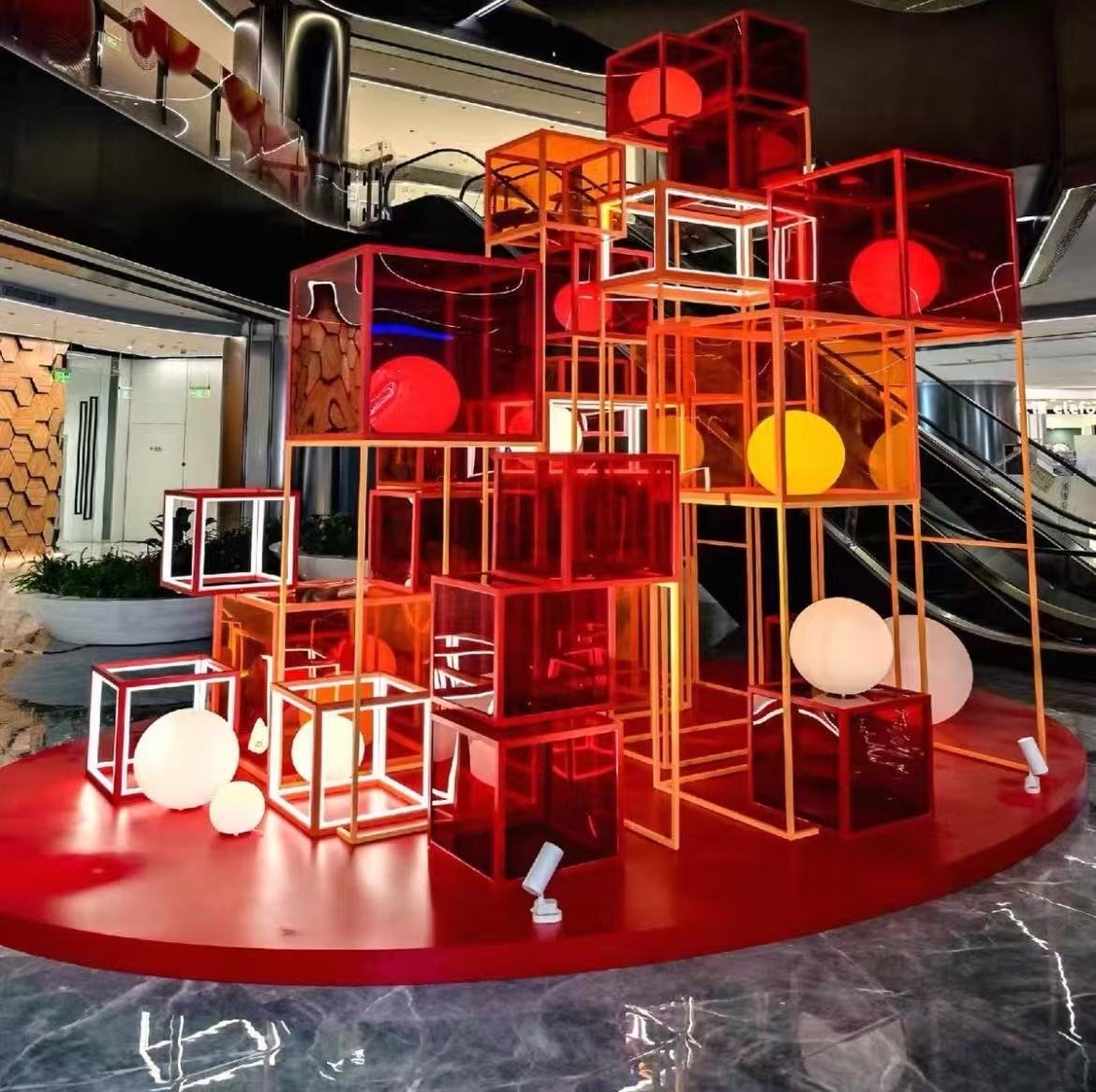
Red and orange acrylic cube light installation
Red and orange acrylic cube light installation

Reply within 12 hours · free DFM feedback
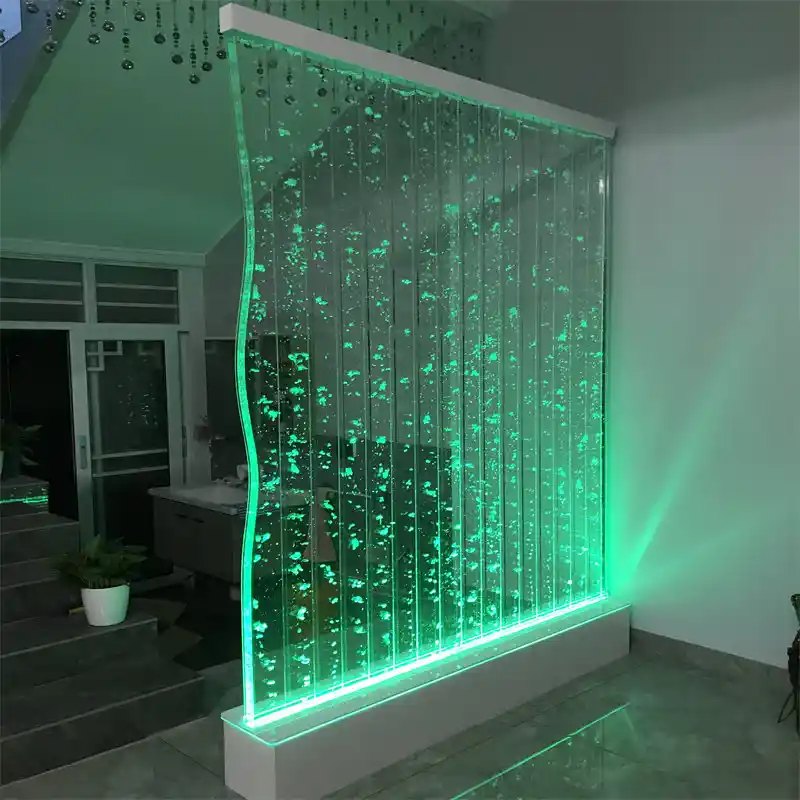
Short answer: For LED lighting and display parts, use cast acrylic when the part is machined, edge-lit or has polished visible edges, and extruded acrylic for simple flat diffusers cut straight from sheet. Tell the fabricator which effect you need — an even glow from LEDs behind the panel, light entering an edge, or a clear window — together with the LED layout and distance and how optical performance will be checked. Transmission and haze depend on the exact grade and thickness, so we confirm them per order against the grade data sheet instead of publishing a single number.
AcrylicFabWorks is the acrylic division of SinoPlastix. We fabricate PMMA lighting and display parts at one site in Suzhou, China, from Calypto cast acrylic sheet made on our own cast line, or from Mitsubishi or Lucite optical-grade PMMA when your order specifies a branded material.
Optical values are confirmed against the grade data sheet per order; brightness and uniformity depend on the LED system.
Light diffusers, edge-lit panels, backlit sign faces, display stands and decorative light boxes, cut and machined from acrylic sheet and finished by polishing and bonding where the design needs it.
| Effect you need | Usual material choice | What usually goes wrong |
|---|---|---|
| Even glow from LEDs behind the panel (backlit) | Diffusing white/opal or frosted acrylic; grade and thickness chosen against LED spacing and distance | Visible hot spots when the LEDs sit too close for the chosen grade and thickness |
| Light entering an edge and glowing across the face (edge-lit) | Clear cast acrylic with a polished light-entry edge and an engraved or machined light-extraction pattern | Dim or patchy face when the entry edge is left rough or light escapes through the other edges |
| Large flat display face without machined features | Extruded acrylic sheet | Extruded sheet is less forgiving when the design later adds pockets, threads or bonded joints |
| Clear window or protective cover | Clear acrylic, no diffusion | Specifying a diffusing grade where the viewer must see through the part |
There is no single right thickness: it is set together with the LED pitch, the distance from LED to panel and the brightness the viewer will accept. Our standard sheet runs 1–30 mm and we machine parts from 3 mm to 100 mm thick. For a new design, the reliable way to choose is a sample panel lit with your actual LEDs at the real distance before production.
Red and orange acrylic cube light installation
Unspecified dimensions follow GB/T 1804-2000 (international equivalent ISO 2768-1), which loosens step by step as the dimension gets larger. Holes and machined features such as LED openings are held to ±0.1 mm, and dimensions flagged as critical on the drawing to ±0.05 mm on our 5-axis CNC; both are confirmed at drawing review rather than applied to the whole part.
Visible faces and edges are judged against a master sample approved before production. On edge-lit panels the light-entry edge is polished, because a rough entry edge wastes light before it reaches the face.
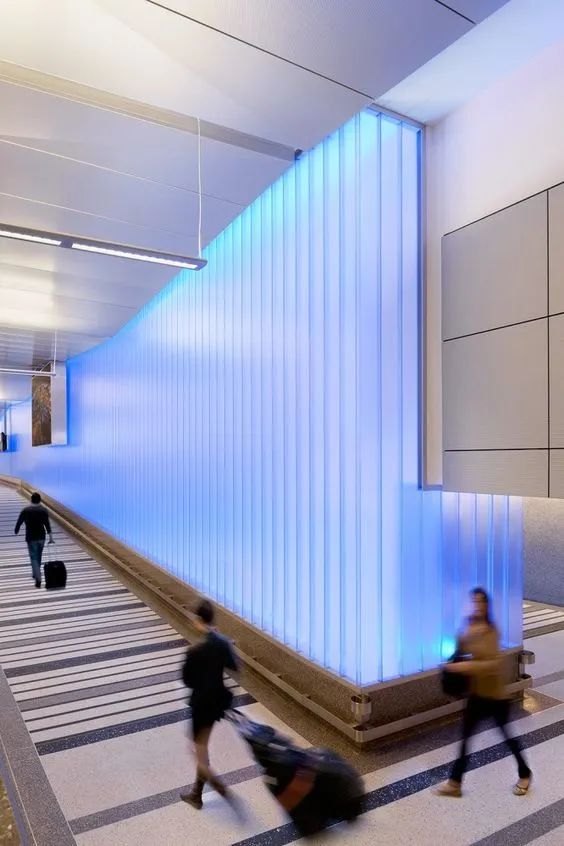
Acrylic light diffuser wall
Stress left from machining can appear weeks later as fine cracks (crazing) near LED heat, screw holes or cleaning solvents. Annealing machined parts before bonding reduces this risk but does not remove it; mention LED heat, fasteners and the cleaning method in the RFQ so they are reviewed with the drawing.
Samples in 48 hours and production in 7 days, both counted from drawing approval, for typical display batches; larger volumes are scheduled at quotation.
Ask at the RFQ stage for the grade data sheet and any inspection records your project needs; which documents come with the order is confirmed in the quotation.
A diffusing white/opal or frosted acrylic for backlit panels; clear cast acrylic with a polished entry edge for edge-lit panels. The grade and thickness are confirmed against your LED layout, ideally with a lit sample.
No. They depend on the grade and thickness, so targets are agreed per order and measured by an agreed method when the application needs them.
Yes. They are machined from cast acrylic, the light-entry edge is polished, and brightness uniformity is checked against your LED spacing on a sample.
That depends on the LED system, grade, thickness and spacing together, so it is checked on a sample rather than guaranteed in advance.
General dimensions follow GB/T 1804-2000 / ISO 2768-1; holes and machined features ±0.1 mm; drawing-flagged critical dimensions ±0.05 mm, confirmed at drawing review.
Send your drawing — an engineer replies within 12 hours.