
Short answer: Guard type should follow the hazard and access pattern. Fixed guards fit areas opened only for planned maintenance; interlocked guards suit routine access where opening the guard must be tied to machine control; adjustable guards fit changing stock; perimeter systems separate people from a larger hazard zone.
The fastest route to a reliable specification is to begin with service conditions and acceptance evidence, then work backward to material, geometry and process choices. AcrylicFabWorks has fabricated custom PMMA components since 2014 in an ISO 9001-certified, 15,000 m² facility. Our documented equipment includes eight 3-axis CNC machining centers and one 5-axis center. These firsthand manufacturing observations inform the notes below, but quoted material grade, drawing revision and project-specific test evidence remain controlling.
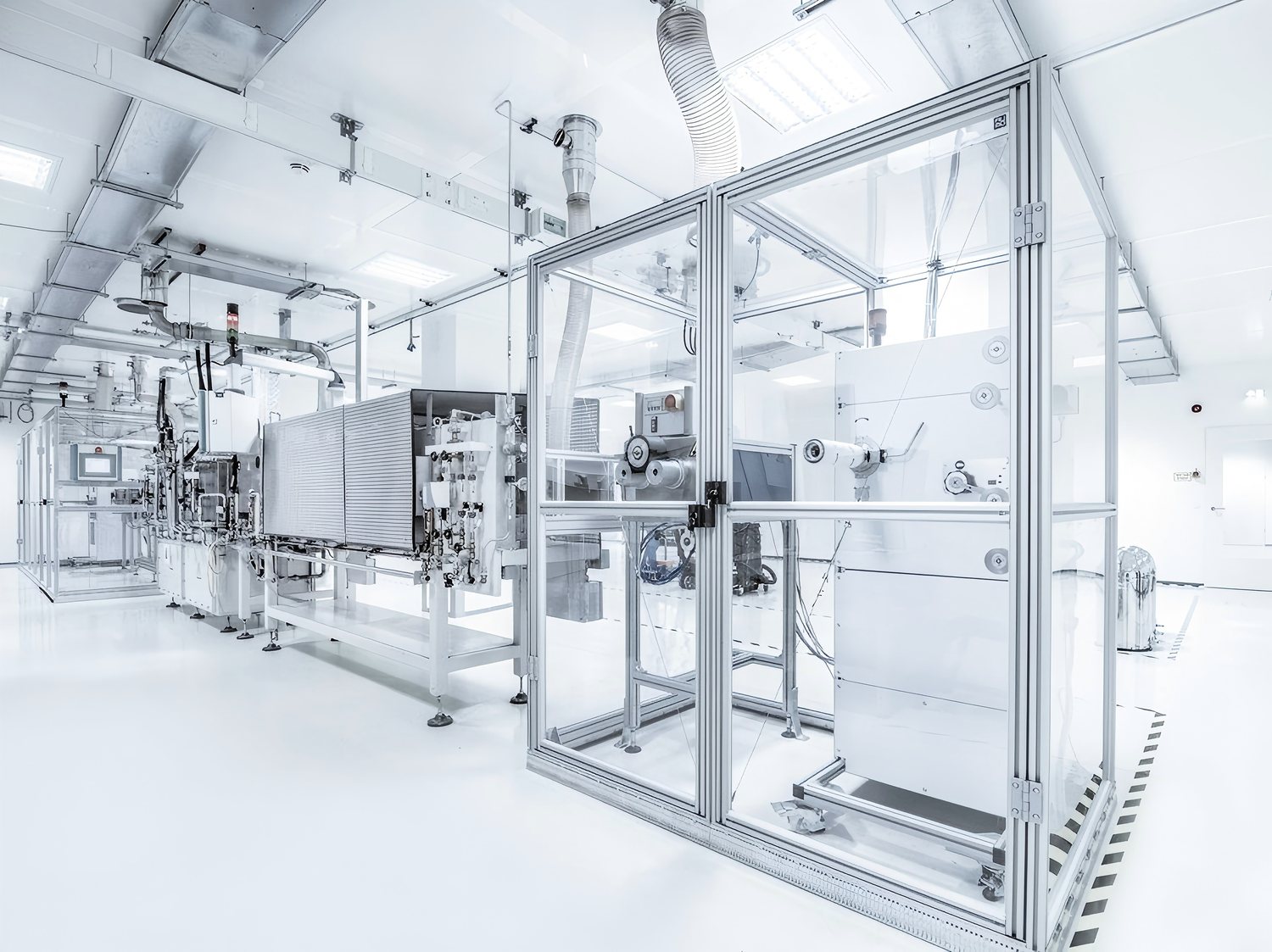
Start with the engineering decision
A useful review of types of machine guards starts with the part’s function, material grade, thickness, dimensions, environment, load, expected access, cosmetic faces and inspection method. Where a safety function, chemical exposure or regulated installation is involved, assign an engineer or qualified compliance professional to approve the requirement.
This guide stays within one practical decision: selection among fixed, interlocked, adjustable and perimeter guards. Manufacturing capacity, pricing and lead-time questions are covered on the linked capability or product page. Keeping the engineering question separate helps the reader reach a decision without mixing it with purchasing details.
| Situation | Best-fit use or concern | What to verify |
|---|---|---|
| Fixed | Infrequent planned access | Tools or controlled fasteners |
| Interlocked | Routine operator access | Control-system integration required |
| Adjustable | Changing stock or opening | Adjustment cannot expose the hazard |
| Perimeter | Large robot or automation cell | Gate, distance and access strategy |
A drawing-to-production workflow
- List every hazardous motion, ejection path and hot surface.
- Record who needs access, why and how often.
- Choose a guard concept before selecting transparent panel details.
- Define safe viewing zones, openings, fasteners and service clearances.
- Have the machine integrator validate the full safeguarding system.
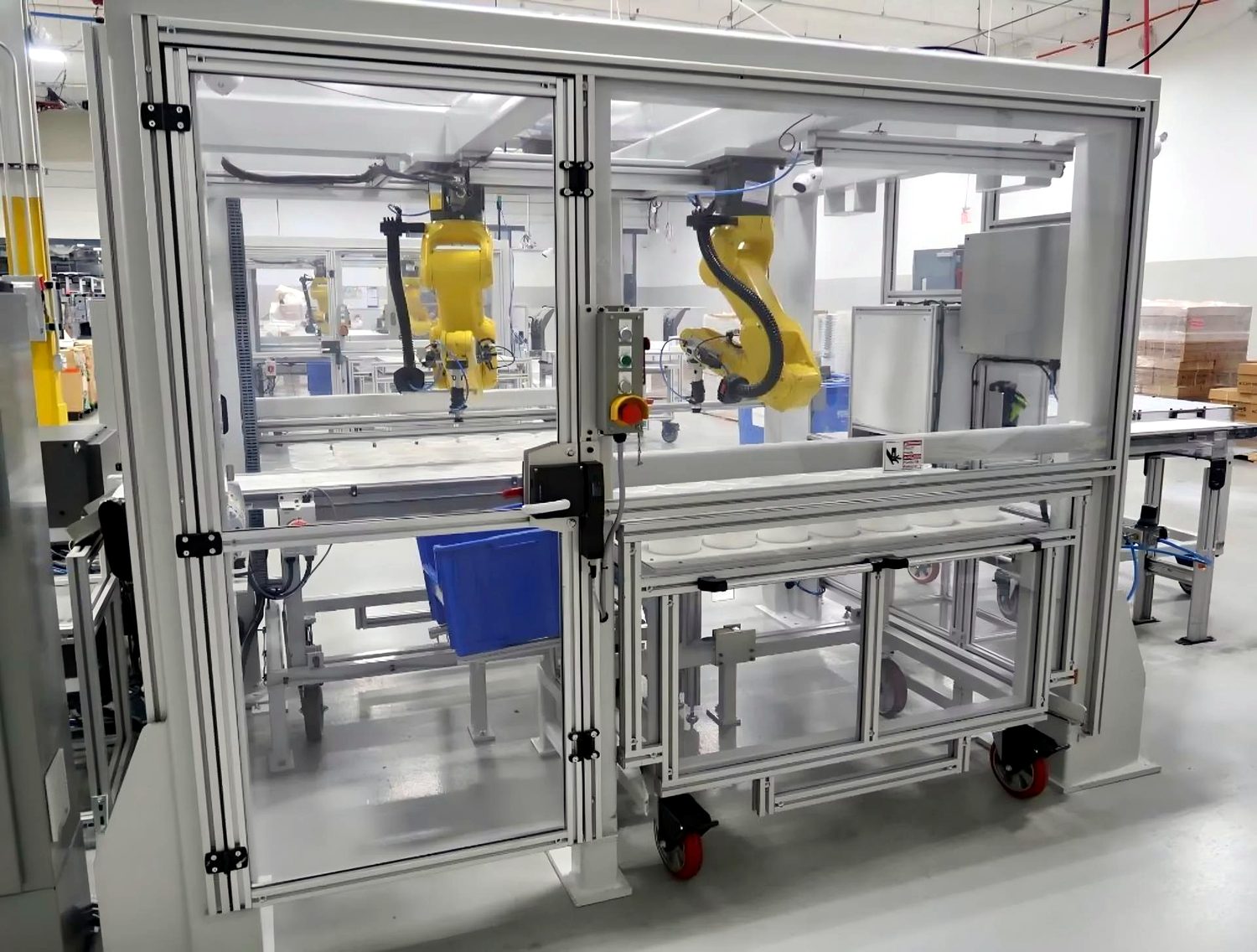
What our factory reviews before quoting
Information to put on the RFQ
- 2D drawing and, where useful, a 3D model with revision level.
- Exact PMMA grade or required optical, electrical, outdoor or fire-test evidence.
- Critical dimensions, datums and realistic tolerances rather than a blanket tight tolerance.
- Cosmetic faces, edge-finish zones and a measurable acceptance reference.
- Assembly, load, temperature, chemical, lighting and maintenance conditions.
- Prototype quantity, production quantity, delivery location and packaging needs.
Failure modes worth catching early
- Check: Choosing transparent material before defining the hazard boundary.
- Check: Treating an interlock as a property of the plastic panel.
- Check: Adding an access cut-out that defeats the intended separation distance.
- Check: Making routine cleaning so difficult that users remove the guard.
How to verify the result
Related engineering and purchasing resources
- Acrylic versus polycarbonate for machine guards
- How to request a fabrication quote
- ISO 9001 quality-control process
- Acrylic fabrication FAQ
Primary references
- OSHA 29 CFR 1910.212. Confirm the current edition, scope and applicability for the project.
- ISO 14120:2015 — Guard design and construction. Confirm the current edition, scope and applicability for the project.
Review your drawing with an acrylic fabricator
If the decision in this guide affects a production part, send the drawing, application conditions and acceptance criteria. See our custom acrylic machine guards page, then request a manufacturability review. Typical samples can be produced in 48 hours and production in 7 days after drawing approval when the project scope supports that schedule.
Frequently asked questions
Q: What are the main types of machine guards? A: Common categories are fixed, interlocked, adjustable and self-adjusting guards, with perimeter guarding used around larger cells.
Q: When is an interlocked guard needed? A: It is commonly considered when routine access is necessary and guard opening must interact with the machine's safety controls.
Q: Can acrylic be part of a fixed guard? A: Yes, a clear panel can provide visibility, but the complete frame, fasteners, openings and hazard assessment determine suitability.