Acrylic Skylight Domes, Formed to Your Kerb
Thermoformed PMMA dome rooflights and canopies — single or double skin, clear, opal or tinted, formed to the kerb dimension you give us rather than the sizes a catalogue happens to stock.
Reply within 12 hours · free DFM feedback
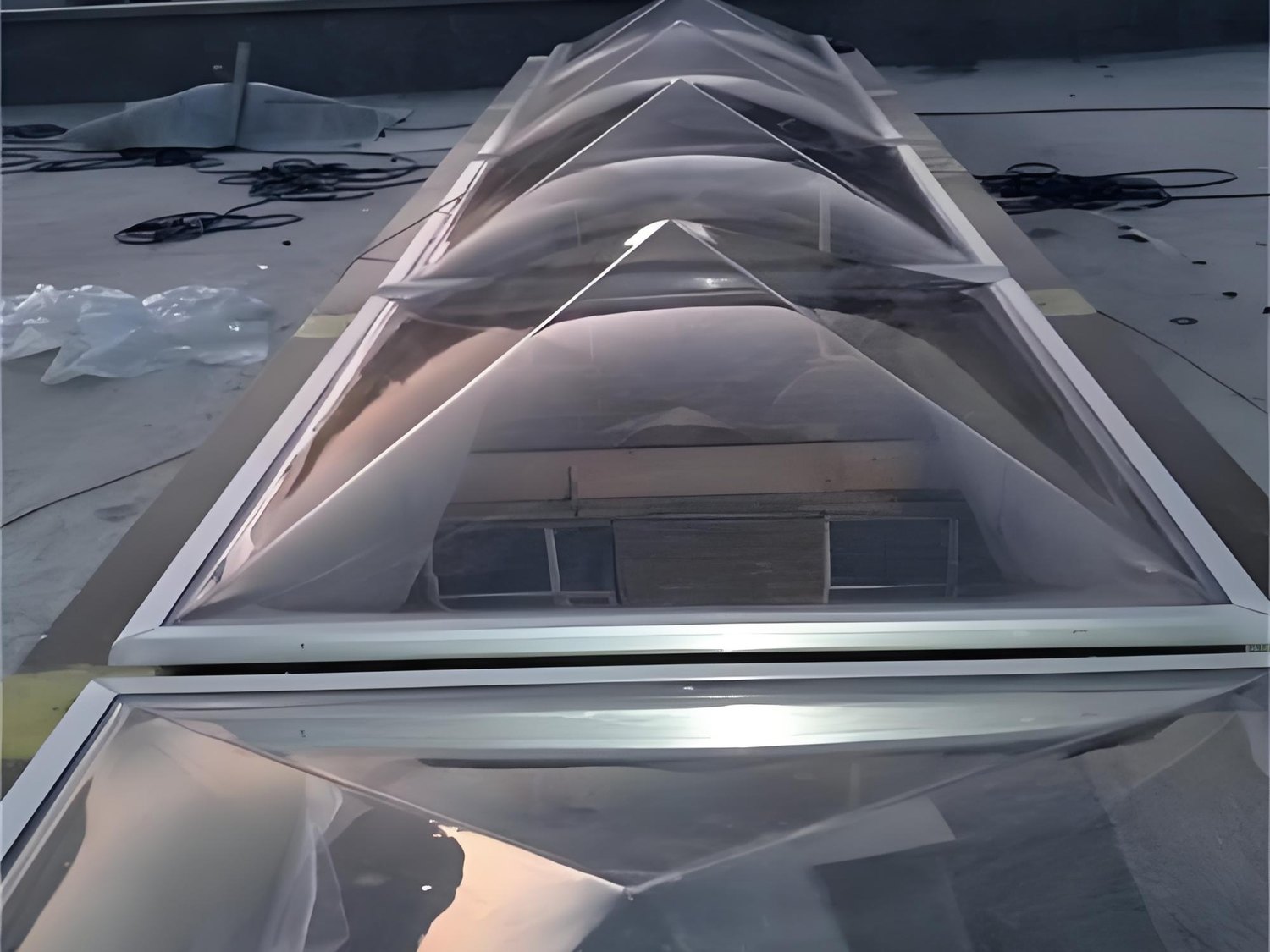
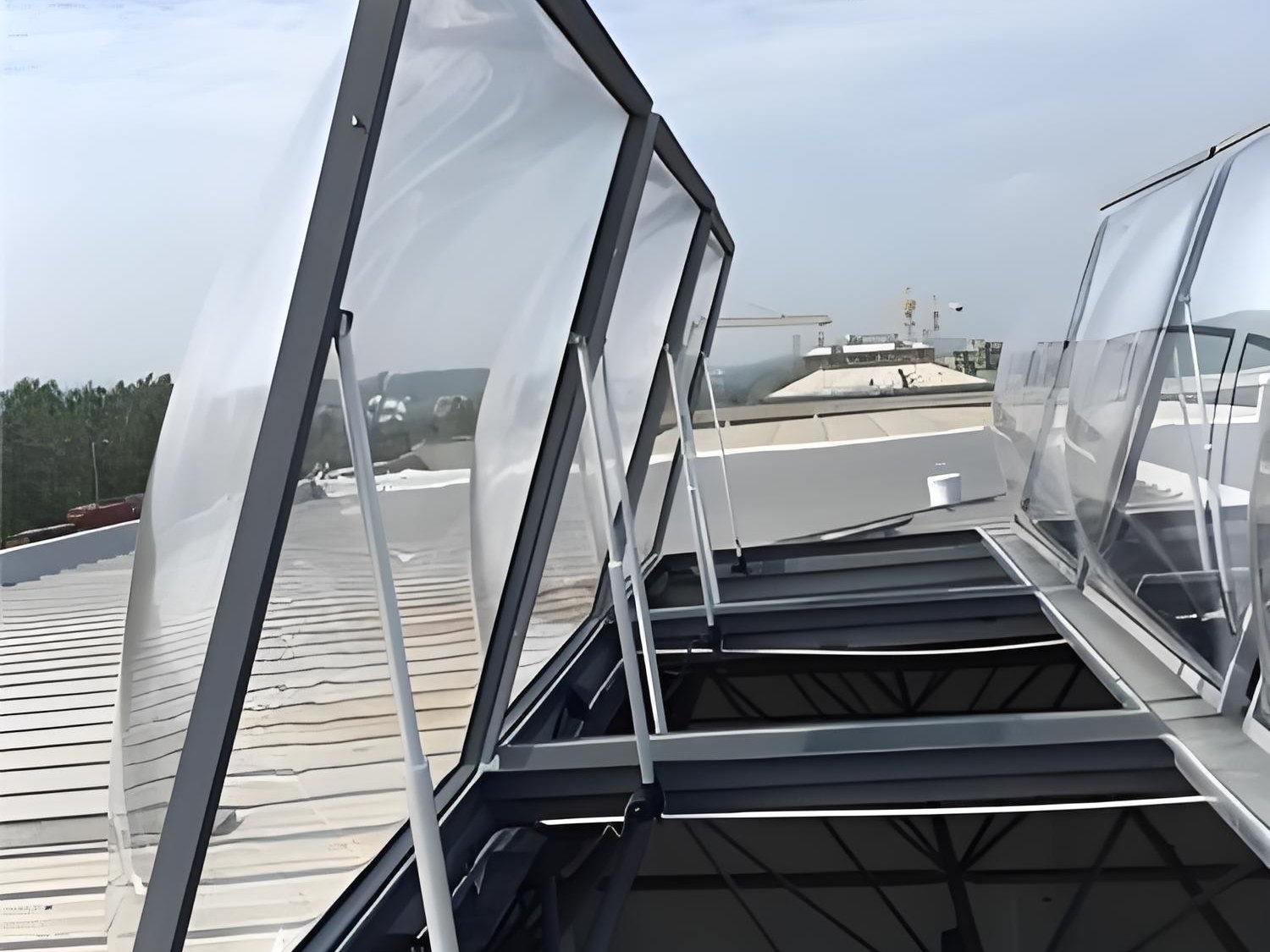
An acrylic skylight dome is a thermoformed PMMA rooflight that admits daylight while shedding rain and snow. Cast acrylic transmits about 92% of visible light in clear grade, and opal grades diffuse it to remove glare and hotspots. We thermoform domes to your kerb size rather than to fixed catalogue sizes, in single or double skin, using two thermoforming ovens in a 15,000 m² ISO 9001 plant.
What roofing buyers specify
The four things a dome quotation needs
- Kerb size and rise. Internal kerb dimension plus the dome rise you want. A shallower rise sheds less water; a higher rise costs more material.
- Single or double skin. Double skin adds an insulating air gap and cuts condensation; single skin costs less and passes more light.
- Light grade. Clear for maximum daylight, opal to diffuse and remove glare, tinted to cut solar gain.
- Fixing detail. Flange width, hole pattern and whether you are fixing to an existing kerb or a new one.
Specifications
What we can make, in numbers
| Forming | Thermoformed on 2 × ovens; free-blown and tool-formed |
| Skins | Single or double |
| Grades | Clear, opal diffusing, tinted |
| Light transmission | Clear cast ≈ 92%; opal diffuses |
| Sheet thickness | 3–100 mm stock range; dome wall thickness varies with forming |
| Flange | Formed flange with drilled fixing pattern to your detail |
| Sizes | Formed to your kerb dimension |
| Quantities | One-off replacements through repeat production |
| Material | Calypto cast acrylic (cast in our own Suzhou facility); Mitsubishi or Lucite optical-grade PMMA on request |
| Tolerances | General tolerances to GB/T 1804-2000 (equivalent to ISO 2768-1); the applicable value varies with nominal dimension and is agreed at drawing review |
| Minimum order | 20 pieces per design or specification; pre-production samples quoted separately |
| Lead time | Samples in 48 hours; production in 7 days, from approved drawing |
| Monthly capacity | 200 tonnes of acrylic processed per month |
25 machines under one roof — 8 × 3-axis CNC, 1 × 5-axis CNC, 5 × laser cutters, 3 × line benders, 4 × cold-bending stations, 2 × thermoforming ovens and 2 × polishers — in a 15,000 m² ISO 9001 plant running since 2014, shipping to 32 countries.
Where acrylic is the wrong choice
The limits, stated up front
Wind uplift, snow load and fall-protection are engineered per project and per local code — we fabricate to the detail your engineer specifies and do not certify the roof assembly. Where a rooflight must be non-fragile or take foot traffic, acrylic alone is not the answer.
FAQ
Questions buyers ask before ordering
Can you match a discontinued dome size?
Usually yes. Send the kerb dimension, the rise and a photograph of the existing flange; we form to that rather than asking you to change the kerb.
Single skin or double skin?
Double skin reduces heat loss and condensation and is the norm for occupied spaces in cold climates. Single skin passes more light and costs less — a good fit for warehouses and covered walkways.
How long does acrylic last on a roof?
Cast acrylic is UV-stable and holds clarity outdoors for many years, which is why it has been a rooflight material for decades. Impact from hail and mechanical damage, not sunlight, is what usually ends a dome’s life.
Do you supply the kerb and flashing?
No — we fabricate the acrylic dome to your kerb detail. Kerb, flashing and fixings are supplied and installed by your roofing contractor.
Part of our architectural acrylic panels range. Related: wall panels & cladding, light diffuser panels.
Buyer’s guide: acrylic skylight domes — single vs double skin & sizing.
Get a project quote
Send drawings, quantities and your target delivery date — we reply within 12 hours with DFM feedback or a price.