
Formed bracket
Line-bent · polished

Line bending for sharp angles, cold bending for large-radius curves, and thermoforming for domes and wrap guards — the right process for cost and optical quality.
Reply within 12 hours · free DFM feedback
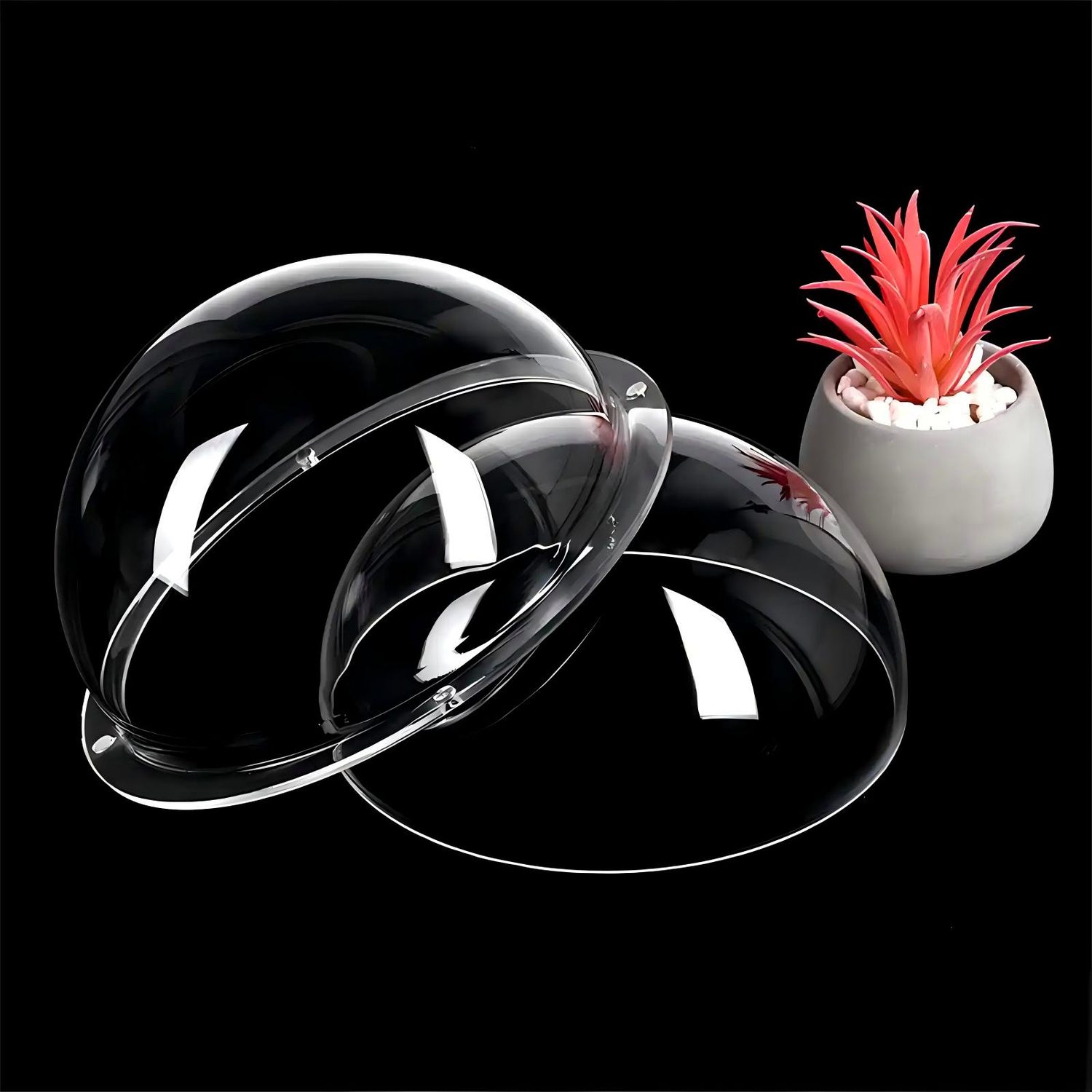
Acrylic can be shaped three ways: line bending for localized angles, cold bending for large-radius curves, and thermoforming for domes, wraps and compound shapes. A cold-bend radius around 300 × thickness is a preliminary process range, not a universal minimum; sheet grade, thickness, temperature, edge condition, duration and geometry must be reviewed and may require a forming trial. Choosing the process affects tooling, cost and optical quality.
| Heat (line) bending | 3 machines, length to 3000 mm — sharp angles: enclosures, covers, profiles |
| Cold bending | 4 stations — large-radius curves: architectural panels, curved barriers |
| Thermoforming | 2 ovens to 2000 × 1500 mm — domes, wrap-around guards, compound curves |
Line-bent · polished
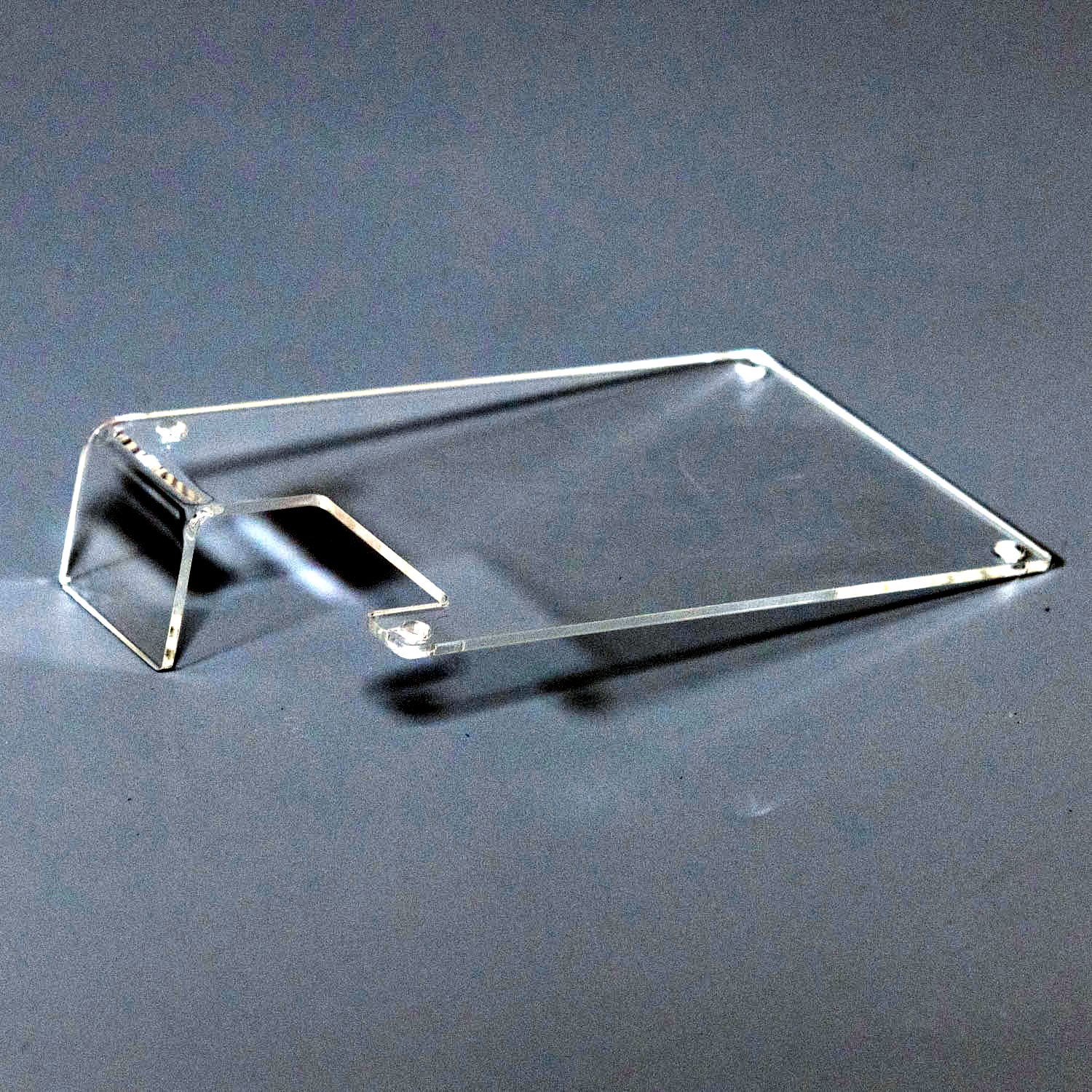
Localised heat · optical flats kept
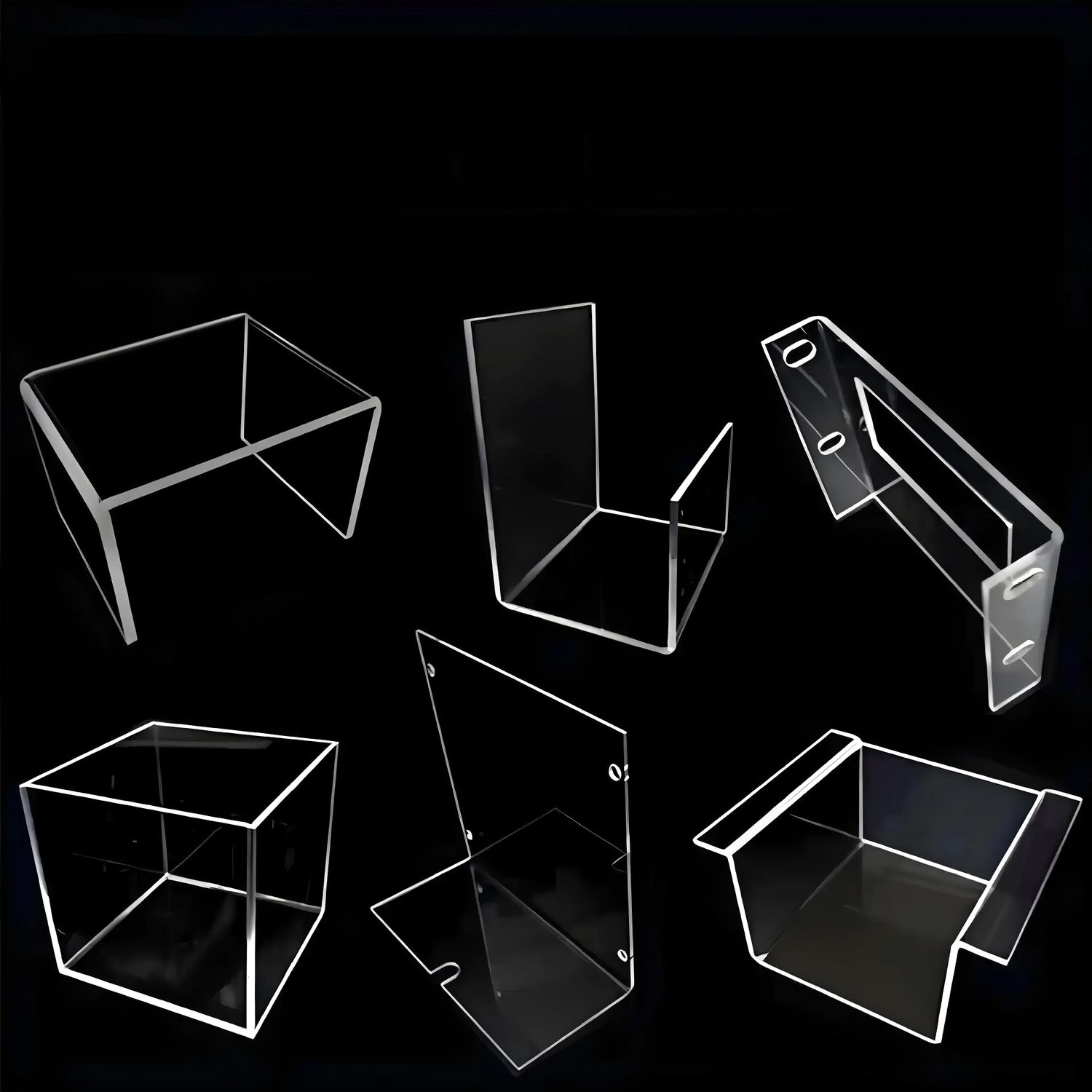
Controlled bend angle · polished edges
Process selection guide
| Your geometry | Process | Notes |
|---|---|---|
| 90° box corner | Line bend | Crisp radius ≈ 2–3× thickness |
| Gentle curve, R > 300×t | Cold bend | No heat marks, best optics; springs into frame on site |
| Tight curve, R < 300×t | Thermoform | Formed over mold, stress-relieved |
| Dome / 3D wrap | Thermoform | Mold cost amortizes over quantity |
Bends combine with machining and bonding into finished assemblies.
Send the material grade, sheet thickness, finished angle or 3D shape, inside radius, bend length, optical surface requirement, quantity and inspection requirements. Mark datum surfaces and any features that must align after forming.
We review heating and forming sequence, grain or extrusion direction where relevant, fixture and support needs, and whether a first-piece review is required. Holes and critical features may be machined after forming so their positions reference the final shape; acceptance criteria are agreed on the drawing rather than implied by a general forming tolerance.
Use approximately 300 × thickness only as a preliminary cold-bending range. The selected sheet grade, thickness, temperature, edge quality and service condition can change the acceptable radius. Line-bend and thermoforming radii are reviewed from the geometry and may require a forming trial before production.
Line bends confine heat to the bend zone — flats stay optically perfect. Thermoforming can introduce slight thickness variation on deep draws; we quote expected optical quality per geometry.
Line and cold bending need no mold. Thermoforming uses a mold — simple wood/aluminium molds are a one-time tooling charge and stored for your reorders.
Yes, and it’s usually the right order: form first, then CNC-machine holes and edges in a fixture so features land accurately on the curved part — the 5-axis center exists for exactly this.
Send your part geometry for a free process recommendation.